Overview
Introduction
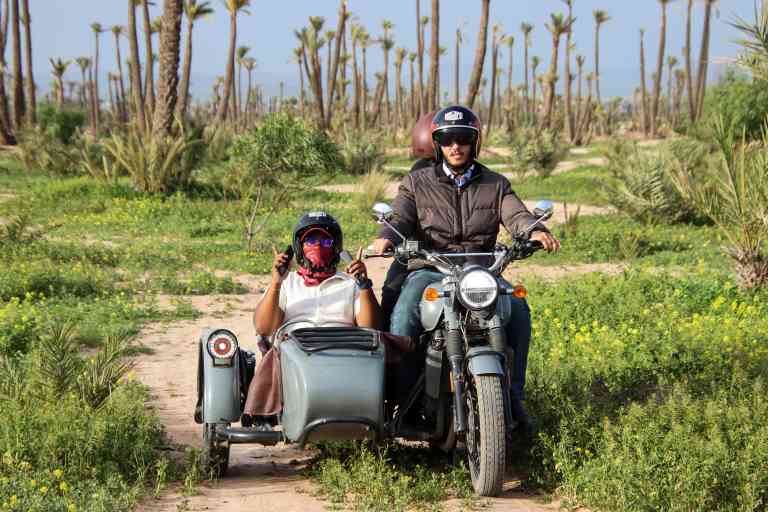
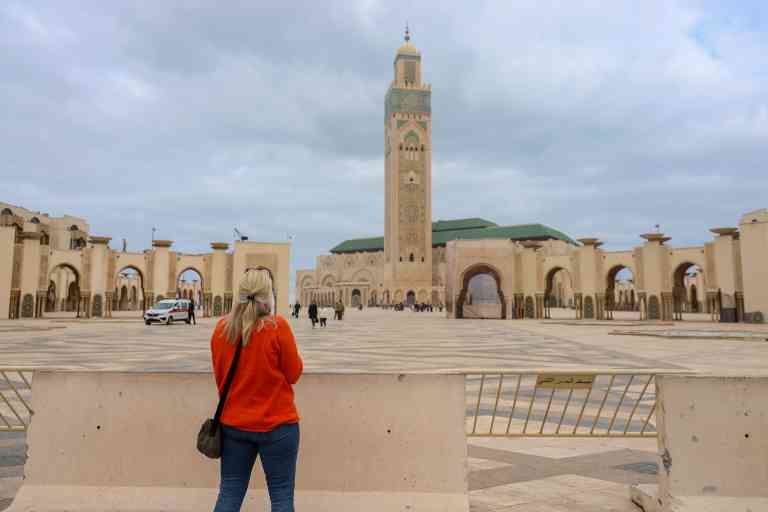
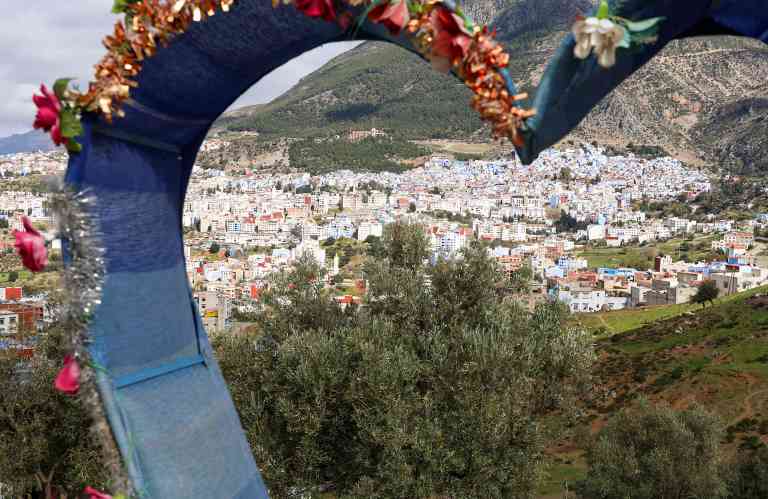
In November 2003, I first visited Morocco as part of a long journey home to Australia travelling from Spain all the way through Africa to Cape Town. As my first point of call on the African continent, Morocco had left me with very fond memories, so I was super excited to be going back 22 years later. I was reminded that Morocco is a true feast for the senses with incredible architecture and scenery, delicious food and wonderful cultural experiences. I once again found Morocco to be incredibly welcoming and safe, and I was fortunate to revisit some of my favourite places, including the beautiful blue city of Chefchaouen, the Roman ruins of Volubilis and the city of Fez, with its historic UNESCO-listed Medina.
1.jpg)
Chefchaouen
.jpg)
Chefchaouen is a stunningly beautiful town situated in the Rif Mountains in the north of Morocco. This area has become incredibly popular since 2017 and is a viral sensation on social media due to its very photogenic nature. It is unique in Morocco because all of the old buildings in the kasbah are painted varying shades of blue. This was originally to signify that the town was a haven for Muslim and Jewish refugees fleeing from the Spanish Inquisition, and has remained a tradition since.
Arriving in the evening, we immediately set off to explore the Medina, which was amazing as there were no other people around and we were able to get great photos of the streets lit up at night. The plaza is set at the bottom of the hill, so exploring the city involves walking uphill and up many stairs, but the views and incredible photo opportunities make it all worthwhile.
When we woke up the following day, it was to a very misty morning which gave the city a magical feel. We then set off on a short walking tour with our guide, who shared some of the fascinating history of the town and led us to some of its more scenic spots — with cameras ready to capture the city’s best angles!
1.jpg)
Volubilis
The adventure continued at the Archaeological site of Volubilis. Today, this is a UNESCO World Heritage-listed Site and famous for being the largest Roman colonial town in Morocco. The city was founded in the 3rd century BC and grew rapidly under Roman rule from the 1st century AD until it fell to local tribes towards the end of the 3rd century AD.
.jpg)
.jpg)
Volubilis is set among rolling hills and incredible fertile faming land. We spent some time here with a local guide, who took us to see the ancient mosaics that the site is so famous for, including one depicting the twelve labours of Hercules, still in situ where it was found on the floor of one of the houses, while also learning the history of this incredible city. The tour was really interesting, and we had ample time to explore on our own and take all the photos we wanted to.
Fez
.jpg)
.jpg)
I was really excited about Fez, as it was one of my favourite places from my previous visit. Our tour began at a viewpoint overlooking the old city. It was amazing to see the size of it and get a bird’s eye view of this ancient city, which was founded in the 8th century AD.
Stopping at a ceramic workshop, we watched how traditional dishes and tagines were produced by hand, and the intricate work that goes into creating some of the incredible mosaics found all over the country.
.jpg)
.jpg)
.jpg)
Then the moment I had been waiting for arrived as we began our walking tour of the Medina. The old city is a rabbit warren of laneways and alleyways, with incredible photo opportunities and shopping options. I even purchased a traditional fez hat for my son! Each part of the Medina is dedicated to something different: one area is for food, another for woolen goods, another for leatherwares, and so on. We were awed by incredible architecture, sights and smells, and were glad to have the guide with us as with over 70kms of winding alleyways within the medina, it is somewhere you would not want to get lost.
2.jpg)
1.jpg)
1.jpg)
We later visited the famous tanneries. Here, leather is cured and prepared in the same way it has been for centuries, with everything produced by hand. We were taken to a small shop and ushered upstairs for some incredible views. The smell here can be quite strong, but each of us was given a piece of fresh mint to put under our nose if required. As the day was not too hot, this was not an issue and certainly nothing that was going to ruin this experience. The guide explained the history and the process of tanning the leather, and we were then given time to admire the amazing leather goods produced here.
.jpg)
.jpg)
.jpg)
Our final stop was a weaving demonstration, where we were shown the intricate techniques used to create the colourful fabrics Morocco is famous for. Some of us even had the chance to learn how to tie traditional headscarves used in the desert and more arid parts of Morocco, which gave the group a great laugh.
.jpg)
.jpg)
It was an absolute joy to return to Morocco and experience these incredible places again after such a long time. Visiting places like Fez is truly a cultural immersion, and the food we ate day in and day out was just amazing. Travelling with a guide was great, balancing just the right amount of local information with plenty of time to take photos and explore on our own. I will be back, I just hope it doesn’t take another 22 years until I do so again.
So what are you waiting for? Explore it all (and more) for yourself on a tour of Morocco with Bunnik Tours!