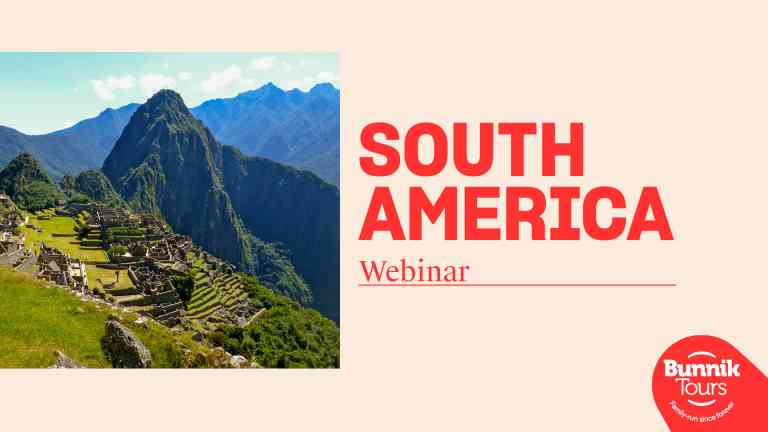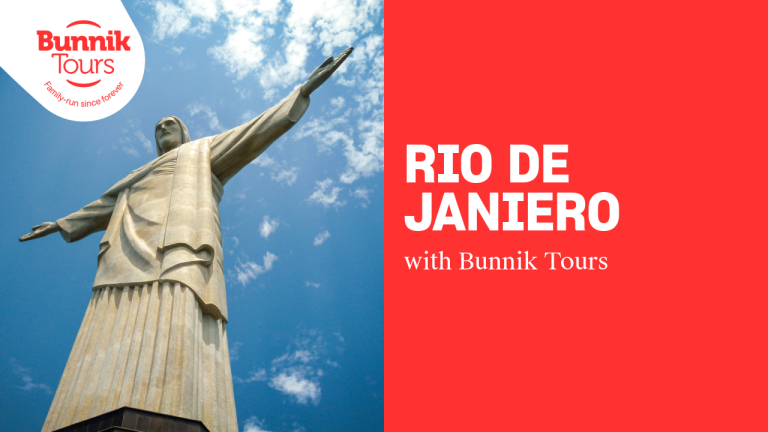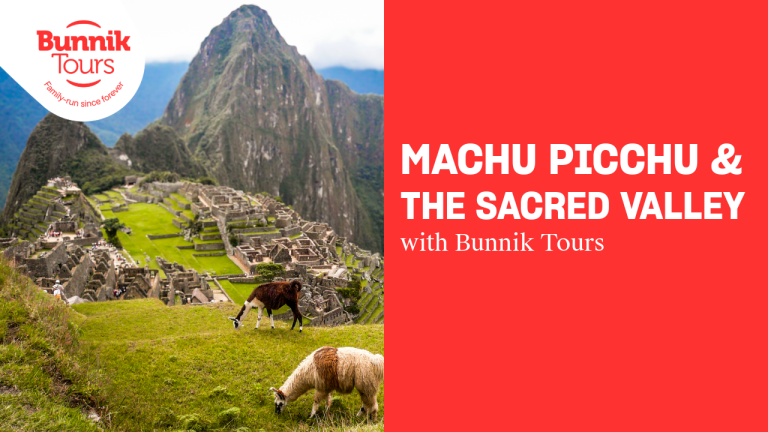
If you’re anything like us, say the word ‘Brazil’ and your imagination instantly throws a party! This is a country that does colour, rhythm and larger-than-life energy like nowhere else on Earth. From the mighty Amazon Rainforest to a jaw-dropping array of wildlife and world-famous, Brazil doesn’t do anything by halves. The iconic Christ the Redeemer statue watches over vibrant Rio De Janeiro, while Copacabana and Ipanema offer sun, surf and delicious caipirinhas. Feast on local flavours, explore the Amazon, Iguazu Falls and Sugarloaf Mountain and soak up the joyful chaos that makes Brazil so irresistible – are you ready to samba your way through an unforgettable journey? Discover all that brilliant Brazil has to offer on a Bunnik Tours holiday – book one of our small group tours online today or get in touch with one of our friendly travel specialists.
Small Group Tours
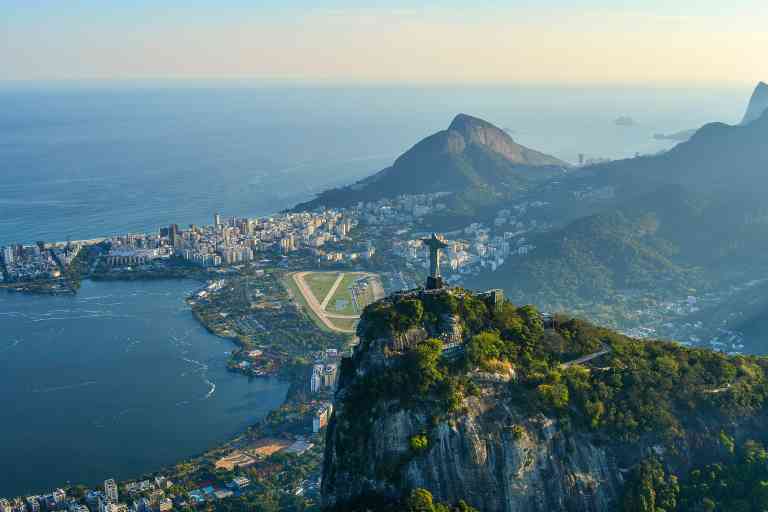
South American Explorer
Embark on an unforgettable adventure across South America!
Airfares included
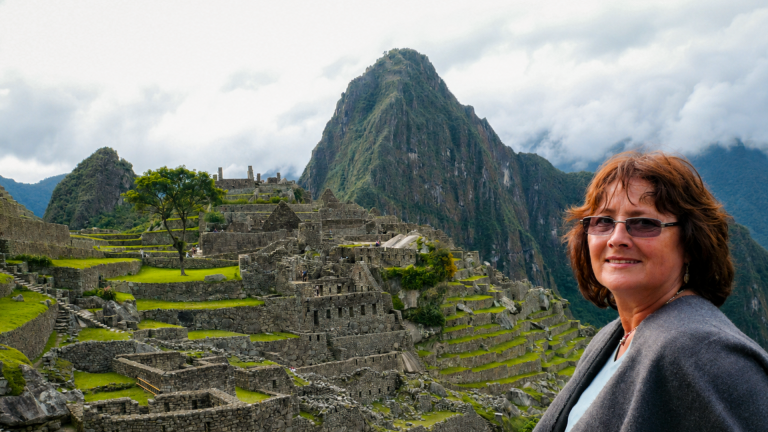
South American Explorer - Travel with Marion Bunnik
Embark on an unforgettable adventure across South America!
Airfares included

Highlights of South America
Be bewitched by breathtaking South America… a fascinating living kaleidoscope of colour and rhythm.
Airfares included
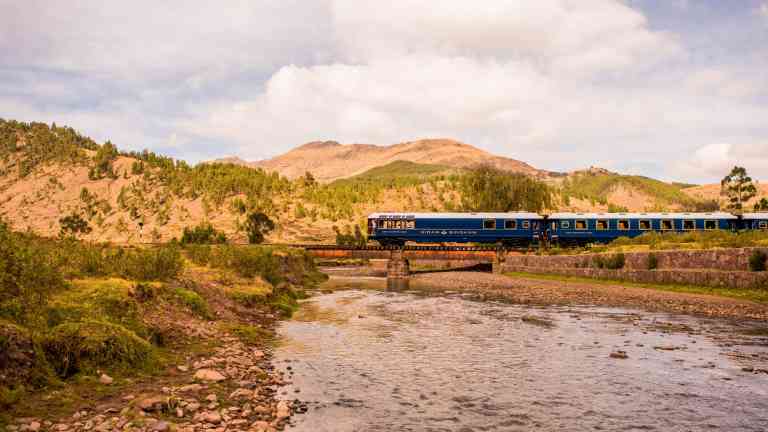
South America In-Style
Dreaming of a destination that feeds the soul? South America delivers ten-fold.
Airfares included

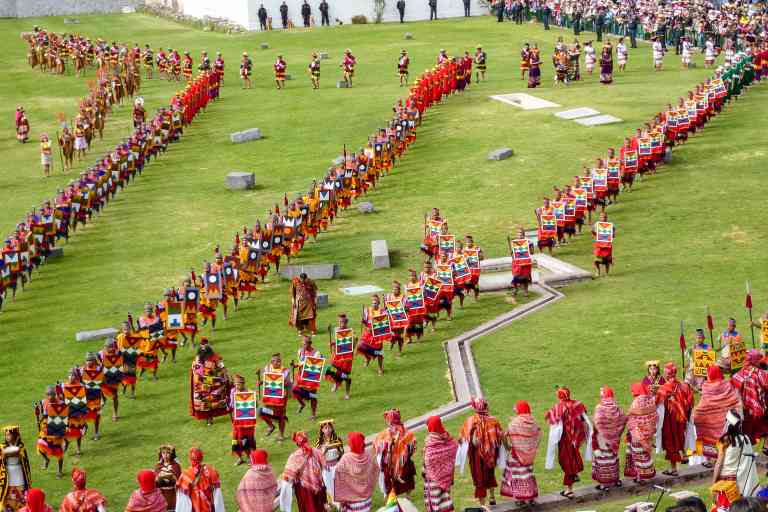
South American Explorer - Inti Raymi Festival
From the lush Amazon Jungle to the ancient Incan citadel of Machu Picchu, we'll discover the rich tapestry of Peru's history and culture.
Airfares included
Brazil Facts & Tips


Did you know?
- Brazil is the largest country in South America with an area of 8,514,215 square kilometres – this is about 16 times the size of France or about 35 times the size of the UK
- Brazil has the largest economy in Latin America and is one of the world's largest economies, supported by abundant natural resources, agriculture and manufacturing.
- Iguazu Falls are formed from 275 individual waterfalls reaching heights of 82 meters and situated on the Iguazu River, on the border of the Brazilian state of Paraná and the Argentine province of Misiones.
- The Amazon River is one of the world’s longest rivers at 6,448 kilometres, second only to the Nile in Africa. However, the Amazon carries more water than any other river in the world.
- Brazil’s landscape is quite diverse, including hills, highlands, mountains, plains, scrublands, savannas, rainforests and a long coastline. The extensive low-lying Amazon Rainforest covers most of Brazil’s terrain in the north, whereas small hills and low mountains occupy the south.
- Coffee was introduced to Brazil during the early 18th century (around 1727) and was found to grow well in the climate of the south-east. By the 19th and early 20th centuries, Brazil dominated the global coffee trade. The wealth generated helped drive the growth of Rio de Janeiro, which served as Brazil's capital until Brasília became the capital in 1960. Brazil lies on either side of the Equator (0°) with part of the country in the northern hemisphere but most of it in the southern hemisphere
- Brazil is considered to have the greatest biodiversity of any country on the planet. It has the most known species of plants (55,000), freshwater fish (3,000) and mammals (over 520).
- Brazil is a global leader in biofuels, particularly ethanol made from sugarcane. Many vehicles are flex-fuel, and offshore oil production has significantly reduced the country's reliance on imported oil.
Visas & Passports
Australian passport holders travelling to Brazil are required to obtain an eVisa. An e-visa must be applied for online before you travel. Please visit the Passports and Visas page for more information.
We require that your passport is valid for travel for at least six months from the date you are planning to return to Australia. Your passport must be valid to travel internationally and must be machine-readable. You also need to carry a valid return ticket on you.
Whether travelling on an Australian passport or the passport of another country, all travellers require visas for a number of countries, and it is your responsibility to secure what may be required before departing Australia. You can consult with your travel agent, but it is also recommended that you check the foreign embassy website for your respective destination as it can also provide you with useful information.
Australian Embassy in Brazil:
SES Quadra 801
Conjunto K, Lote 7
Brasilia DF 70200-010
Ph. +55 61 3226 3111
Fax. +55 61 3226 1112
Currency
The official currency of Brazil is the Brazilian Real (BRL). Notes come in denominations of R$200, 100, 50, 20, 10, 5, and 2, while coins range from 5 centavos to R$1.
The recommended currency to take to Brazil is the US Dollar. Once there, you can exchange your US Dollar for the Real. Ensure you change a small amount into small denominations.
Advise your bank of your travel plans so that they can make a note of it, otherwise they may cancel your credit card as a safety measure due to the overseas transactions. Also make a note of the 24-hour emergency contact number of the bank or building society which issued your credit card in the unlikely event that your card is lost or stolen.
Whenever possible use ATMs when the banks are open (Mon – Fri) so that if a machine ‘eats’ your card you can then deal with it straight away. It is always advisable to carry a supply of cash in addition to your credit card.
If you don’t have US Dollars with you on arrival, we advise you to exchange some money into the local currency at the airport even if the exchange rate is not the best, this way you’ll have money to get a drink, snack or give a tip during those first few hours of arrival. Your guide will be able to advise you on the best places to exchange money.
Small change is also useful for paying for toilets while on tour which is customary in many places outside of Australia.
Dining
- The price of a cappuccino in Brasilia is approximately $2–4USD
- The price of an inexpensive lunch is approximately $ 7–12USD
- The price of dinner in a moderate restaurant is approximately $ 15–30USD
- The price of a beer in a local pub is approximately $ 2–4USD
Imagine a country with great natural resources, tropical and temperate climates, and culinary traditions shaped by Indigenous peoples, European and African settlers, and Asian and Middle Eastern immigrants. The result is not one Brazilian cuisine, but many distinct regional cuisines, each reflecting its unique history and local produce.
Specialties include Bahian cuisine, featuring fresh seafood, coconut milk, palm oil (dendê) and vibrant spices influenced by West African traditions. In the cowboy country of southern Brazil, meat lovers will find churrasco at its finest. Churrascarias (Brazilian steakhouses) are found throughout the country, where waiters circulate with large skewers of beef, pork, lamb, chicken and sausages, carving portions directly onto your plate.Important: When dining at buffets (i.e. breakfast) please refrain from taking food away with you to ‘save’ for later! If you feel that you’ll need snacks between meals, pack some dried fruit, nuts, muesli bars etc.
If you have specific food allergies and/or preferences, we highly recommend you take every precaution before your tour, including carrying a small card with your food allergy listed in each language of every country you are travelling to show to table staff when ordering. Whilst we take all dietary requirements seriously, due to the serious nature of potential allergic reactions, it is your responsibility to be as prepared as possible.
Weather
Brazil is a vast country, and its climate varies significantly by region — from equatorial in the north to temperate in the south.
In the southeast, including Rio de Janeiro, the climate is tropical, with a hot, humid summer (December to March) when temperatures often climb into the low-to-mid 30s°C, and a milder, drier winter (June to August) with temperatures generally between 20–25°C. Most rainfall falls during the summer months.
The Amazon region in the north has a hot and humid equatorial climate year-round, with temperatures typically between 25–33°C. The wetter season runs from December to May, while June to November is comparatively drier, making it the more popular window for exploring the rainforest.
The south of the country has a more temperate climate with marked seasonal variations. The difference in the seasons is determined by temperature and not rainfall. During the winter (June-August) daytime temperatures can range from 12–20,°C while in the summer (December-March) temperatures typically range from 25–35°C, with hot, humid conditions common. The rainy season is from November-March.
Getting Around
Want to get out and explore on your own?
Taxis are metered so ensure that the meter is turned on! Fares are slightly higher at night and on Sundays. Tipping taxi drivers is not expected. Major cities have an extensive metro system, though buses are often overcrowded and best avoided at night where crime is common.
Ride-hailing apps such as Uber and 99 are widely available in major cities and are often a convenient and reliable way to get around.When catching taxis, have small change on you and choose one with a meter, if it doesn’t have one then negotiate the price before getting in. Also, ask your guide or hotel staff the names of reputable taxi companies.
Shopping
So, you’d love to bring home a special souvenir from Brazil…
Shopping varies from elegant boutiques to hippy markets and everything in between. Artwork and handicrafts feature quite heavily across the country; art lovers can purchase locally crafted items and peruse paintings in chic galleries while being served a glass of chilled wine.Markets (feiras or feirinhas) are found in every city with a range of goods on sale from woodcarvings, musical instruments, jewellery, leather goods and clothing. Food markets are also well worth a visit if only for the experience. They are a good place to find homemade chilli sauces, spices and guaraná powder. For beach lovers, if you want to blend in with the locals, be sure to purchase your beach attire locally from any of the numerous swimwear boutiques…anything else will look positively Victorian!
Local Etiquette
- Try to learn at least a few words of Portuguese. Your efforts will be appreciated—you'll find that many Brazilians will go far out of their way to help you.
- Meals are generally eaten with a knife and fork, even foods that might be eaten by hand elsewhere, although finger foods and snacks are common.Carry a photocopy of your passport when you leave the hotel as proof of citizenship and identification
- Hugging and back slapping are commonplace, particularly amongst men and women often greet each other with a kiss on each cheek
- Don't walk around with an expensive camera, jewellery or watches, unless you're in an obviously safe area (somewhere with a police presence, for example). It could make you a target of thieves.
Celebrations & Public Holidays
It’s hard to think of a more widely known, vibrant and energetic festival in the world than Rio’s Carnival. Held annually over the five days preceding the fasting season of Lent, Brazil welcomes visitors in the millions to witness the incredible display of exquisite costumes, elaborate floats, exhilarating music and of course, the talented samba dancers.
Believed to be the second biggest festival after Carnival, Festa Junina (June Festival) is celebrated throughout Brazil for the entire month of June. Dating back to the 1500s this Catholic tradition was introduced during Brazil’s colonialisation by Portugal, and celebrates a number of saints along with the harvest. Events include singing, dancing, games and scrumptious traditional dishes while locals promote the harvest feel, dressing in checked shirts, denim shorts with the children painting freckles on their faces.
Other national public holidays to be aware of include:
- New Year's Day
- Good Friday
- Tiradentes Day (April 21st)
- Labor Day / May Day (May 1st)
- Independence Day (September 7th)
- Our Lady of Aparecida / Children's Day (October 12th)
- All Souls' Day (November 2nd)
- Republic Proclamation Day (November 15th)
- National Day of Zumbi and Black Consciousness (November 20th)
- Christmas Day


Brazil FAQs
How can I tour Brazil as a responsible traveller?
At Bunnik Tours, we believe in responsible travel and sustainable tourism. For more information, visit our Sustainable Tourism hub.
How much does it cost to tour Brazil?
A group tour of Brazil is affordable. If you’re looking for the best value for money, a Brazil holiday package with Bunnik Tours is the perfect choice for you. You will see all the iconic tourist attractions in South America including Iguazu Falls, Rio de Janeiro, the Nazca Lines, the Amazon Jungle, Machu Picchu plus exclusive special experiences, starting from $19,995 per person. Airfares, transport, accommodation, many meals and tipping are included, with no hidden extras.
Is Brazil a good place for tourists?
Brazil is a safe place for tourists. The crime rates in Brazil are low, but as we advise with all international travel, please ensure your personal possessions are kept safe and secure. Brazilians are very friendly and always willing to help, so please ensure you are respectful of their culture and laws for the best possible Brazil group tour experience.
What's the best time to visit Brazil?
Brazil's size means the best time to visit really depends on what you'd like to experience. For Rio de Janeiro and the southeast, the shoulder seasons of April to June and September to November offer warm, comfortable weather without the peak summer humidity. For the Amazon, the drier months from June to November are generally considered ideal for exploring the rainforest, with lower rainfall and river levels that make wildlife spotting easier. Whatever time of year you choose, Brazil's warmth and vibrant energy make it a rewarding destination year-round.
How many days are enough for Brazil?
When it comes to booking a Brazil tour package, we recommend at least 4 days to experience all the best attractions Brazil has to offer! Bunnik Tours offers a range of small group tours, from 23-35 days, where you will enjoy fascinating cultures, breathtaking natural views, amazing wildlife, vibrant capitals, authentic cuisine and more in Brazil, Argentina, Peru, Ecuador, Bolivia and Uruguay.
Can't find the answers you're looking for? Check out our FAQs.
South & Central America Destinations
Argentina
Fall in love with the hustle & bustle of Buenos Aires, don your dancing shoes for a tango lesson & be amazed by the Iguazu Falls.
Bolivia
Cross the amazing salt plains of the Atacama Desert, travel to Lake Titicaca & take a dip in sulphur spring steam pools.
Chile
Discover the wonders of Chile from the glaciers of Patagonia to the deserts of Atacama.
Colombia
Discover the lush scenery of the Coffee Triangle, wander through the streets of Bogotá & Medellin & visit Cartagena.
Costa Rica
Wander through the Monteverde Cloud Forest Reserve, see beautiful flora and fauna at the Arenal National Park & fall in love with San Jose, Costa Rica’s capital city.
Ecuador
Visit the Guamote Market, hike to the Devil's Cauldron waterfall & see Mitad del Mundo, the Middle of the World.
Guatemala
Explore ancient Mayan temples, lush tropical rainforests, the rich history of the former capital city, Antigua & the tiny island of Flores.
Mexico
Discover rich history at the historical site of Teotihuácan, experience the vibrant Day of the Dead Festival & see exotic wildlife at the Celestún Biosphere Reserve.
Bunnik Reviews