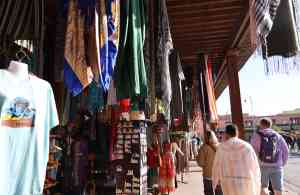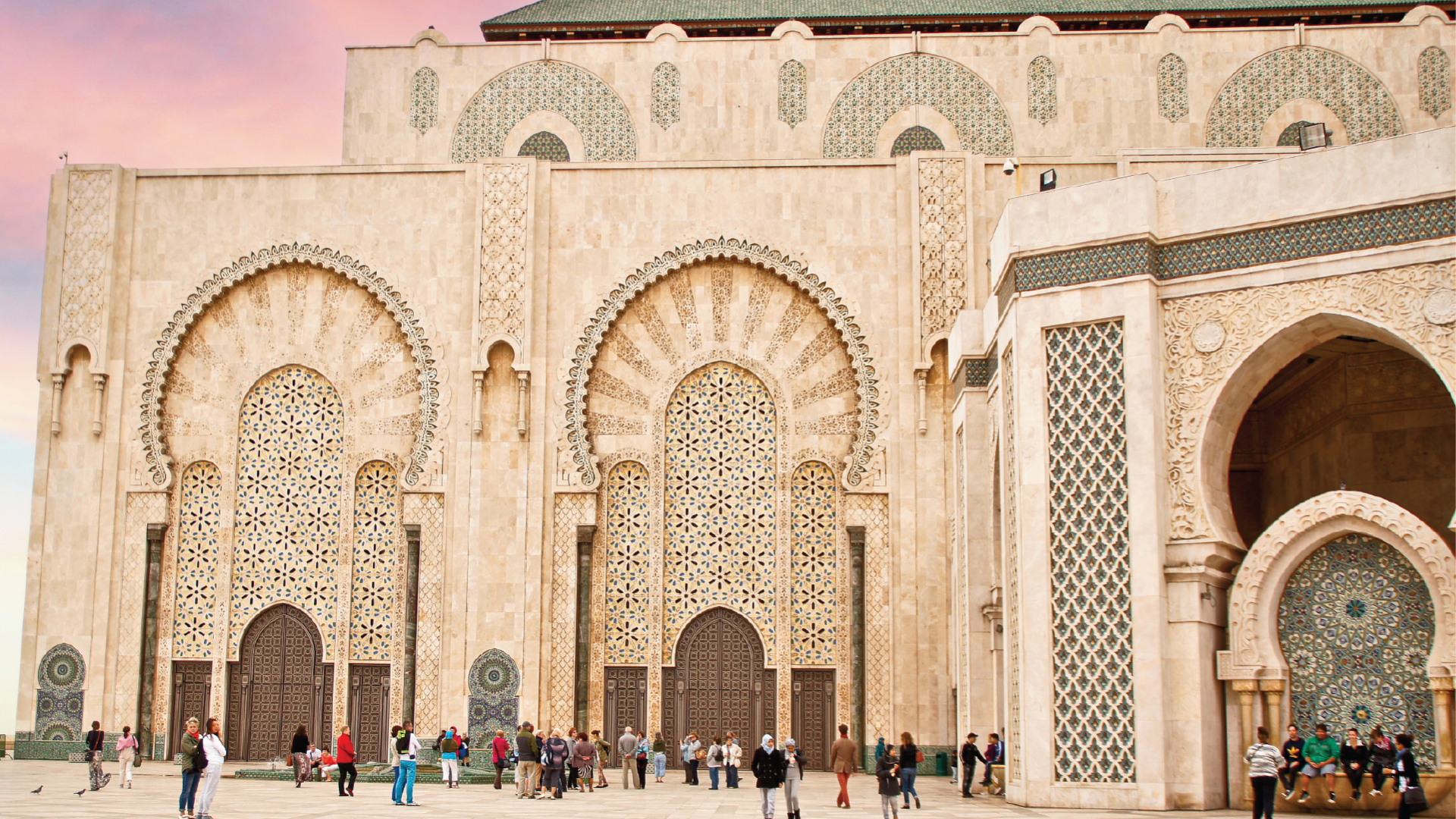
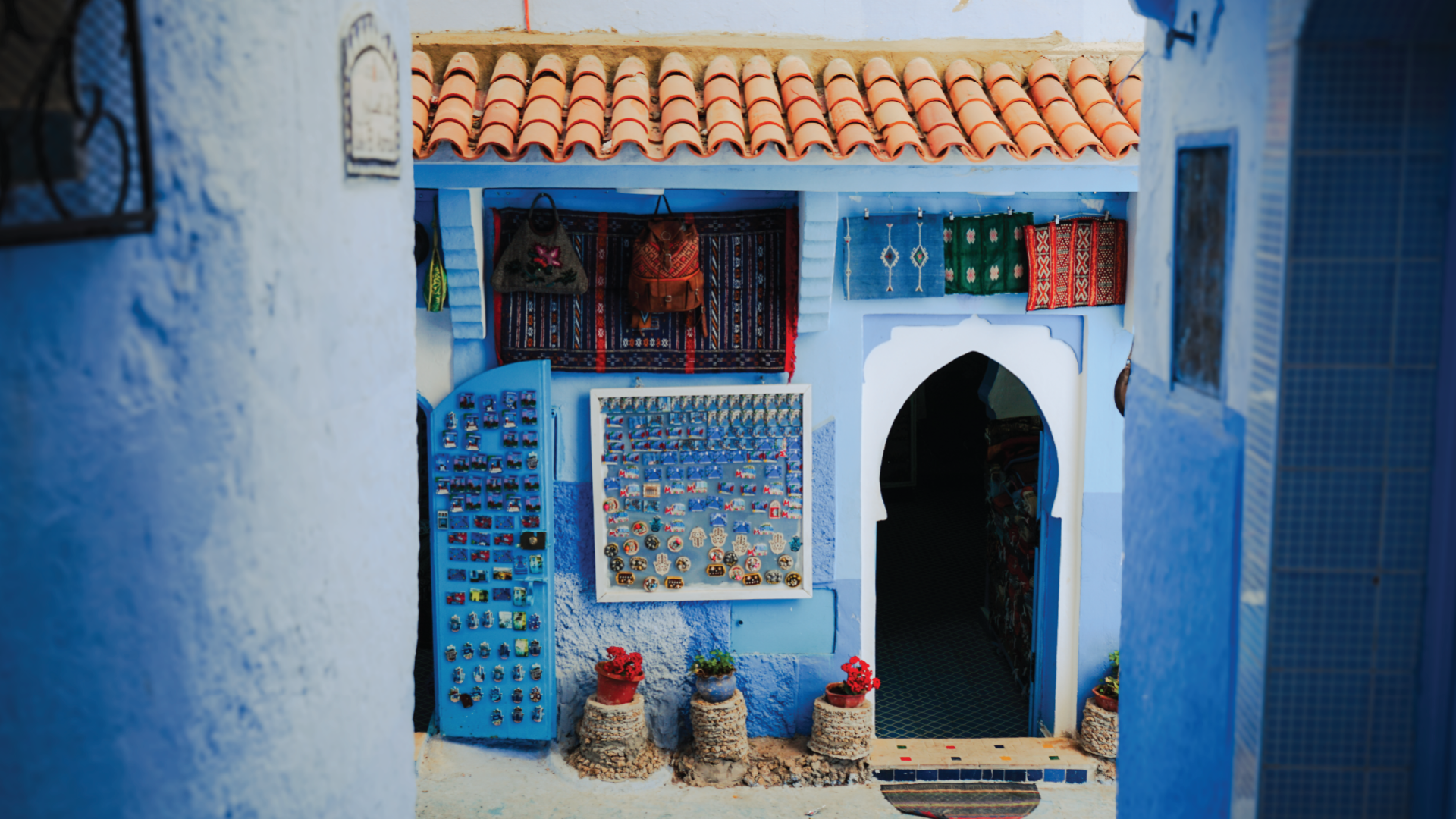
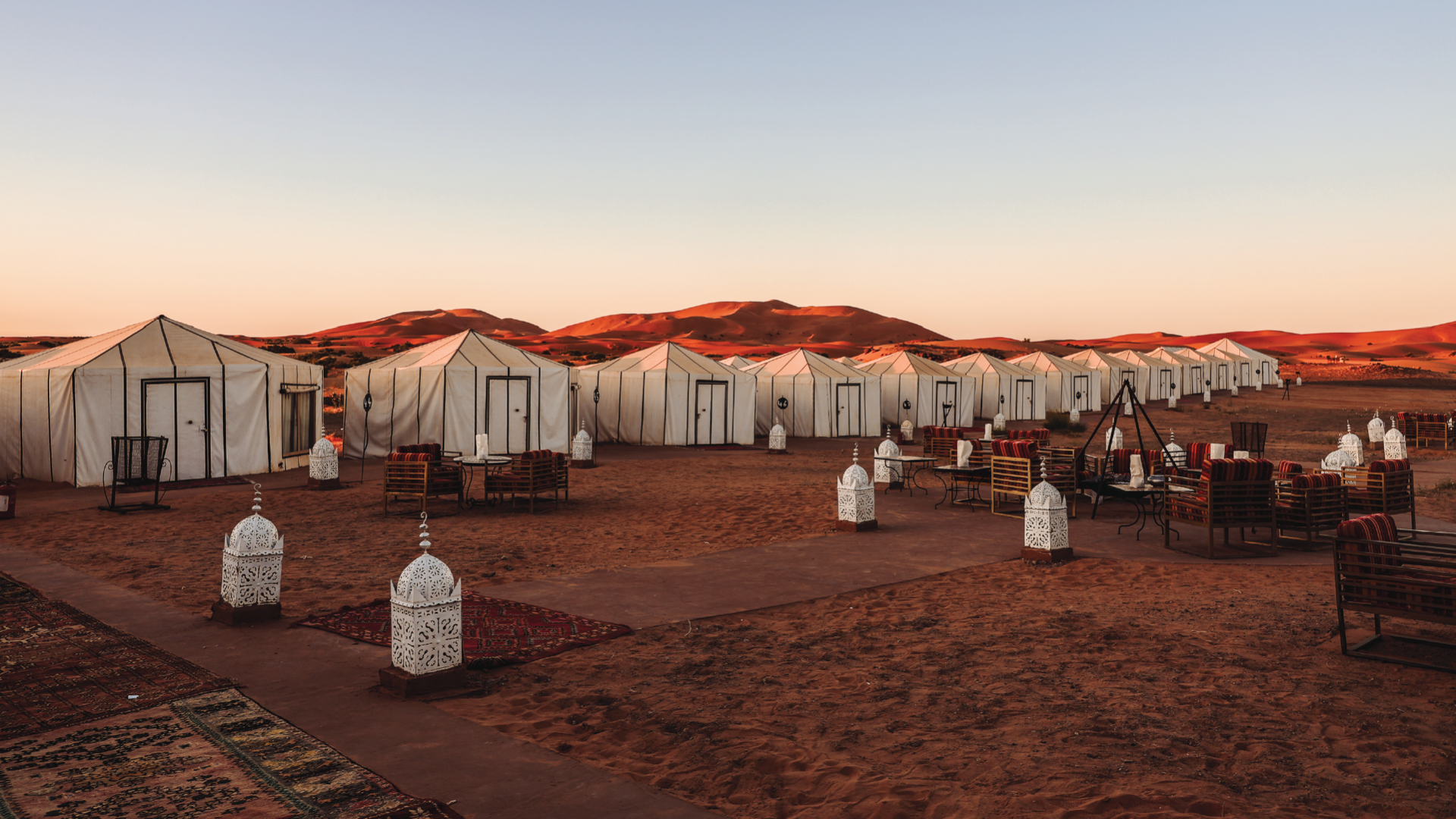
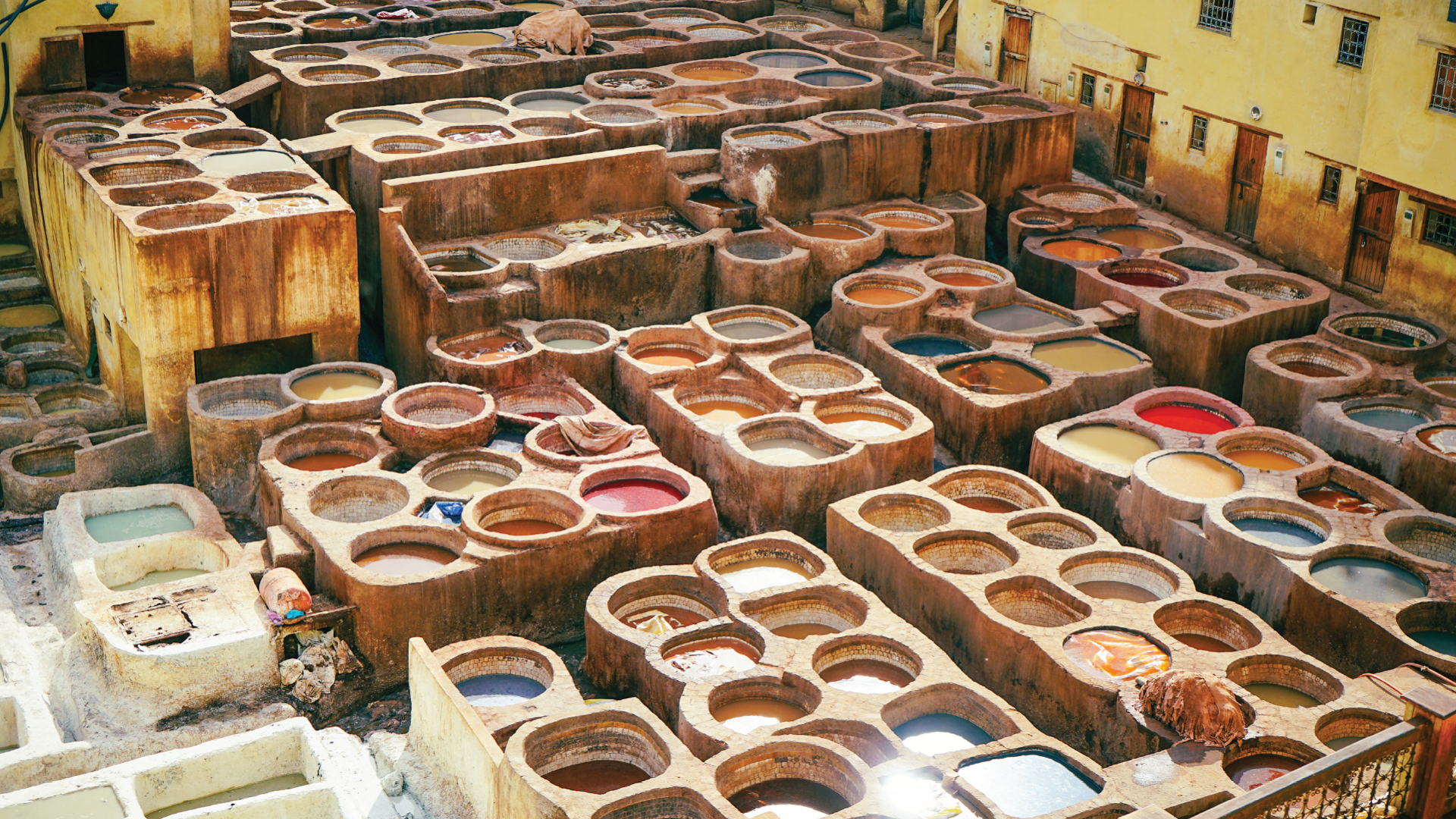
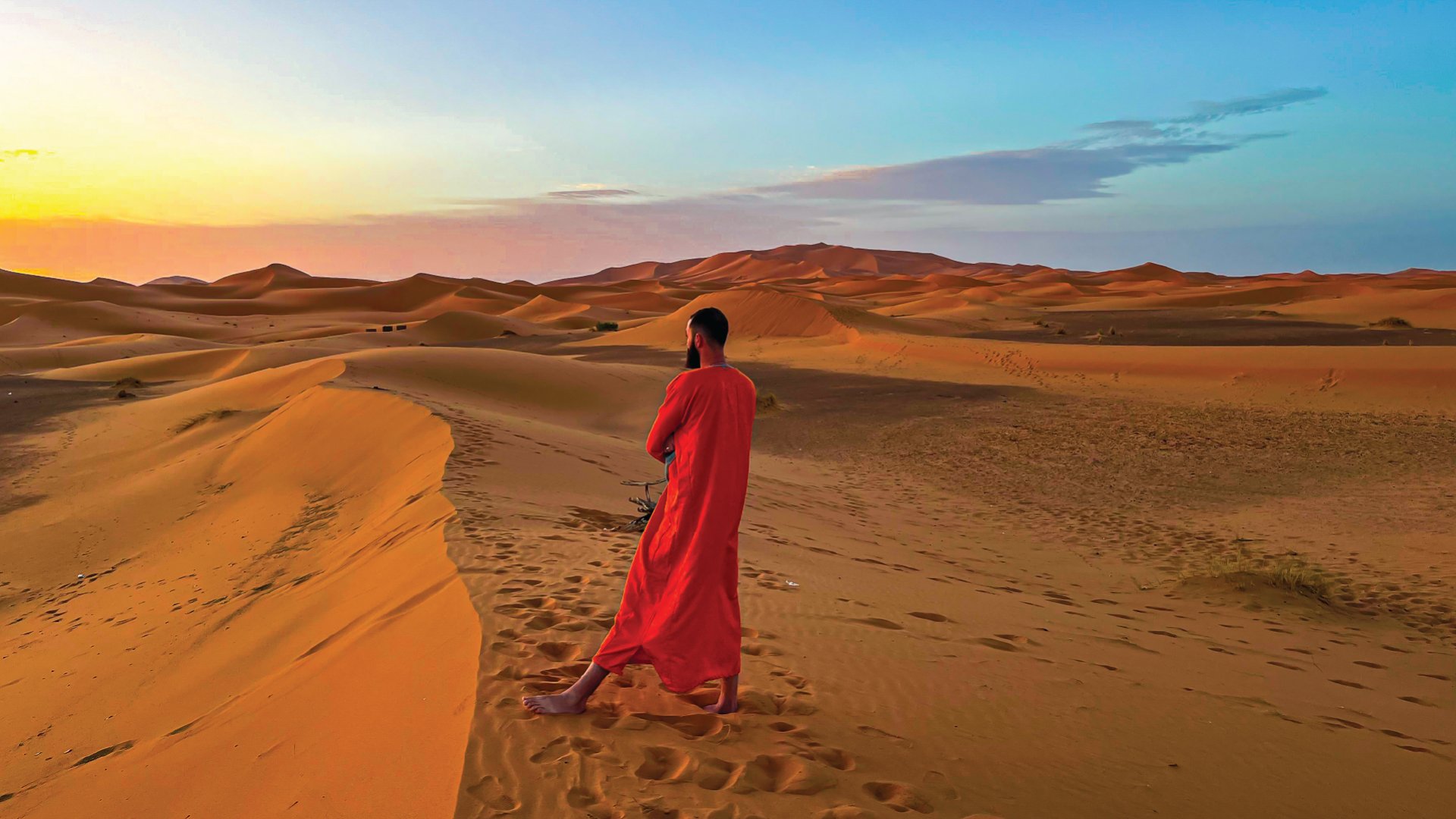
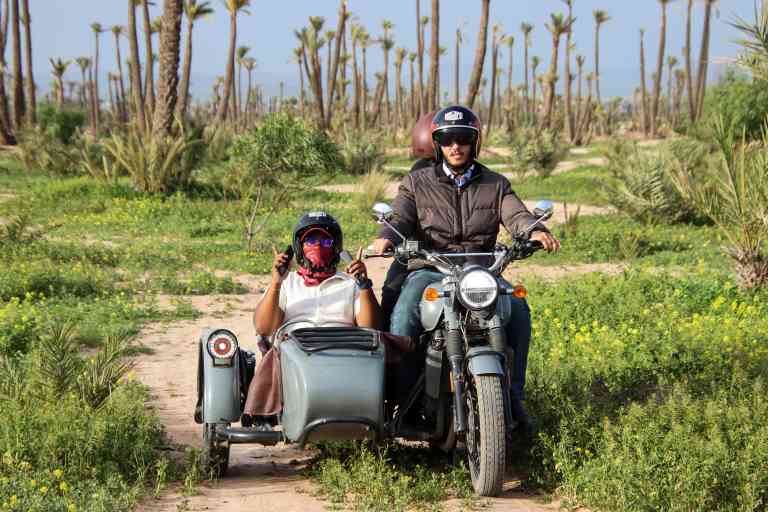
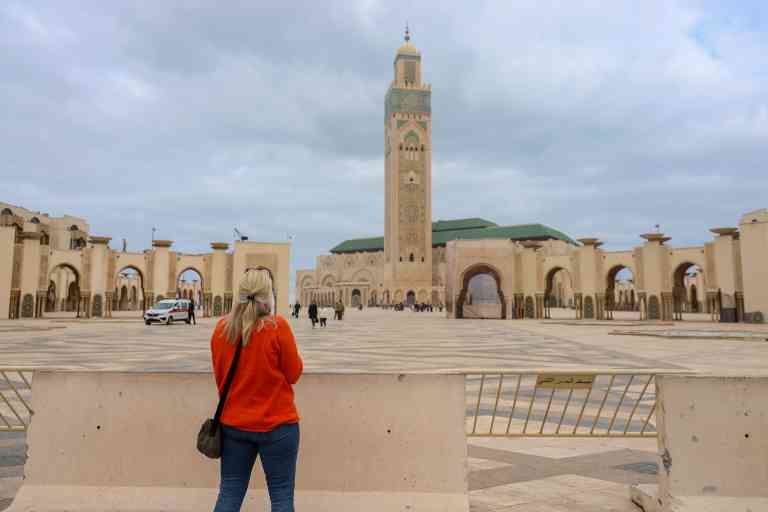
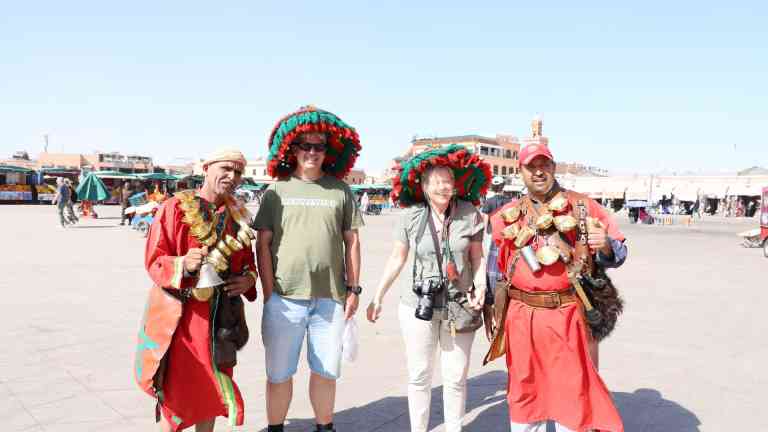
Morocco is an explosion of colours, flavours, rich cultures and unforgettable experiences that will captivate your senses from the moment you arrive. Wander through ancient palaces and get lost in the maze of souks in Marrakesh’s main square, Jemaa el-Fnaa, all the while soaking up the scent of spices, mint tea and leather that fills the air around you. Play Humphrey Bogart and Ingrid Bergman in Casablanca, stroll through Fez, enjoy golden Sahara sunsets and devour as much couscous and sweet pastries as you can handle. Discover, and savour, everything that Morocco has to offer on a Bunnik Tours holiday – book one of our small group tours online today or get in contact with one of our friendly travel specialists.

Small Group Tours

Moroccan Discovery

A whirlwind of sights, smells and tastes, a journey through Morocco is a delicious feast for the senses.

Airfares included

Days 20
From (Per person / Twin share) $11,995

Morocco In-Style

A deluxe Moroccan odyssey loaded with luxurious stays and authentic experiences, perfect for those looking for a little something extra.

Airfares included

Days 16
From (Per person / Twin share) $14,495

Spain, Portugal & Morocco

Roam Morocco’s vibrant souks, bask in Portugal’s sunlit streets and dive into Spain’s rich history on a joy-filled adventure.

Airfares included

Days 28
From (Per person / Twin share) $17,295

Morocco Facts & Tips

Capital
Capital — Rabat
Population
Population — 38 million
Language
Language — Arabic and Amazigh (Berber)
Religion
Religion — Islam
Time Zone
Time Zone — 9 hours behind AEST (depending on daylight savings and Ramadan)
Currency
Currency — Moroccan Dirham
  • Morocco gained independence from France in 1956.
  • Fez is, of course, where fezzes (the red hats) come from.
  • In previous times, it was unlawful to sell a date tree in Morocco, as it was a source of food for the family.
  • Tangier was an International City, from 1923 to 1956, being ruled by representatives of eight European countries.
  • Morocco contains several prehistoric stone-circle sites that suggest links with wider megalithic traditions around the Atlantic region.

Australian passport holders travelling to Morocco do not need a visa at this time.

We require that your passport is valid for travel for at least six months from the date you are planning to return to Australia. Your passport must be valid to travel internationally and must be machine-readable. You also need to carry a valid return ticket on you.

Whether travelling on an Australian passport or the passport of another country, all travellers require visas for a number of countries, and it is your responsibility to secure what may be required before departing Australia. You can consult with your travel agent, but it is also recommended that you check the foreign embassy website for your respective destination as it can also provide you with useful information.

The Australian Embassy in Morocco:

66, Avenue Mehdi Ben Barka
10105 Souissi-Rabat
Ph. +212 537 543366
Fax: +212 537 656046

The official currency of Morocco is the Dirham. Notes come in denominations of Dh200, 100, 50 and 20. The recommended currency to take to Morocco is the Euro. Ensure you change a small amount into small denominations.

Advise your bank of your travel plans so that they can make a note of it, otherwise they may cancel your credit card as a safety measure due to the overseas transactions. Also make a note of the 24-hour emergency contact number of the bank or building society which issued your credit card in the unlikely event that your card is lost or stolen.

Whenever possible use ATMs when the banks are open (Mon – Fri) so that if a machine ‘eats’ your card you can then deal with it straight away. It is always advisable to carry a supply of cash in addition to your credit card.

If you don’t have Euros with you on arrival, we advise you to exchange some money into the local currency at the airport even if the exchange rate is not the best, this way you’ll have money to get a drink, snack or give a tip during those first few hours of arrival. Your guide will be able to advise you on the best places to exchange money.

Small change is also useful for paying for toilets while on tour which is customary in many places outside of Australia.

  • The price of a cappuccino in Rabat is approximately €2
  • The price of an inexpensive lunch is approximately €3 - €5
  • The price of dinner in a moderate restaurant is approximately €9
  • The price of a beer in a local pub is approximately €3

Moroccan cuisine is essentially tasty comfort food with exotic spices. There are many low-cost places to dine on local dishes but even if you’re travelling on a budget, splurge one night for a feast in a deluxe restaurant. Harira, the traditional garbanzo and noodle soup, is a good starter. Various couscous dishes, tagines (stewed meat or chicken with vegetables, served in a conical clay dish) and kebabs (also called brochettes) are the most common entrees. Other tasty dishes include hout (a fish stew), mechoui (roast mutton) and djaja mahamara (chicken stuffed with almonds, raisins and couscous). Bastilla is pigeon cooked in dough with nuts and honey. If you crave international fare, you’ll generally find pizza and pasta, hamburgers and sandwiches, and to a lesser degree, Chinese food. Be aware that the taste of non-Moroccan food may not match your expectations. Almond and filo pastries are excellent. Sweet mint tea, served in a clear glass crammed with mint leaves, is served everywhere. Fresh-squeezed juices and milk shakes are also very refreshing. Beer and wine are usually available in hotels and restaurants catering to foreign visitors, however the consumption of alcohol is strongly discouraged in open areas such as outdoor cafes.

Important: When dining at buffets (i.e. breakfast) please refrain from taking food away with you to ‘save’ for later! If you feel that you’ll need snacks between meals, pack some dried fruit, nuts, muesli bars etc.

If you have specific food allergies and/or preferences, we highly recommend you take every precaution before your tour, including carrying a small card with your food allergy listed in each language of every country you are travelling to show to table staff when ordering. Whilst we take all dietary requirements seriously, due to the serious nature of potential allergic reactions, it is your responsibility to be as prepared as possible.

October-December and March-May are really Morocco’s best seasons, when temperatures average in the low 20s. The summer shouldn’t be ruled out though as the average temperature in Marrakesh and Fez can be around 38°C and the coastal cities of Casablanca, Rabat and Tangier remain comfortable, if somewhat humid at 27-29°C. South of the Atlas Mountains temperatures increase greatly.

Want to get out and explore on your own?

Morocco has a surprisingly good public transport system. The best way of getting around Moroccan cities is either by walking or hailing a petit taxi (for travel within the city). A grand taxi is more expensive and is used for travel between neighbouring towns.

When catching taxis, have small change on you and choose one with a meter, if it doesn’t have one then negotiate the price before getting in. Also, ask your guide or hotel staff the names of reputable taxi companies.

So, you’d love to bring home a special souvenir from Morocco…

Morocco appears to be filled with bargains, but look closely before buying. Good buys in wool carpets and leather goods can be found, Quality varies considerably, so take time to compare products before purchasing. Other items available include gems, fossils from the Sahara, thuya wood carvings, pottery, mosaic tiles, beaten brass, silk, hand-embroidered clothing, copperware, silver and gold. Bargaining is the rule in the medina; the medina is the old town centre of any Moroccan city. Offer a third to half the price quoted and take it from there. Be patient and polite but insistent. If bargaining is not your game or you’d like to avoid the hassles of the medina, you can find goods with fixed prices at craftsmen’s cooperatives, called Ensemble Artisanal, in most of the larger cities. Pay with cash whenever possible; credit cards can be overcharged. It is also better to take goods home with you than to have them shipped. Stores sometimes substitute cheap goods for purchased items when they ship overseas.

  • Remember that Morocco is a Muslim country where modesty is appreciated. Dress conservatively, which means covering your shoulders, upper arms and legs (unless you are at a beach).
  • Beware of tours by self-proclaimed guides (called faux guides). If you’re harassed, calmly but firmly decline their offer, if the harassment continues make an obvious attempt to seek out a police officer.
  • Take drug laws very seriously – even though drugs such as hashish seem widely available, drug laws particularly when foreigners are involved, are harsh.
  • Refrain from eating, drinking or smoking in public during daylight hours in the holy month of Ramadan.
  • If you’re not Muslim, don’t enter a mosque without asking permission. Visit the ornate medersas (theological schools) instead. At smaller, less frequented mosques, custodians may allow you to enter outside of prayer times, if you ask politely.

Morocco celebrates a number of different music festivals throughout the year, from the 8 day Sufi Music & Cultural Festival held in Fez in April, to Essaouira’s Gnaoua World Music Festival held in June each year. One of the biggest festivals in Morocco however, is Timitar, held annually in July at the coastal city of Agadir. For four days the traditional Amazigh culture is celebrated with Moroccan and international musicians coming together to perform to the crowd. Morocco is also host to a quite unique event, the Marathon des Sables or the Sand Marathon. This one-of-a-kind ultramarathon takes place over 6 days in the Sahara Desert and it is not hard to understand why it is dubbed the ‘toughest foot race on Earth’.

Other national public holidays to be aware of include:

  • New Year's Day           
  • Anniversary of the Independence Manifesto (January 11th)
  • Labour Day/May Day (May 1st)
  • Eid al-Fitr
  • Feast of the Throne (July 30th)
  • Eid al-Adha   
  • Anniversary of the Recovery Oued Ed-Dahab (August 14th)
  • Anniversary of the Revolution of the King and the People (August 20th)       
  • Hijra New Year            
  • Youth Day (August 21st)
  • The Prophet Muhammad's Birthday       
  • Anniversary of the Green March (November 6th)
  • Independence Day (November 18th)

Morocco Highlights

Morocco FAQs

It depends on what you want to see and how many neighbouring countries you would like to visit. If you are travelling only to Morocco, we recommend 2 or more weeks to discover all it has to offer! 

At Bunnik Tours, we have a range of small group tours that allow you to spend quality time in Morocco. If you’d like to visit nearby countries, opt for our 28 day Spain, Portugal & Morocco tour. To see Morocco on its own, book our Moroccan Discovery tour, where you can spend 20 days discovering vast desert landscapes, imperial cities and pristine and unique architecture, or our Morocco In-Style tour, where you’ll spend 16 days experiencing the country in pure luxury.

As a tourist you are unlikely to encounter any major problems travelling to Morocco. As with all international travel, we advise that you keep your personal possessions safe and secure, and beware of scam artists and tourist traps. Morocco is a conservative Muslim country, so please ensure that you are respectful of their Islamic culture and laws for the best possible experience.

At Bunnik Tours, we believe in responsible travel and sustainable tourism. For more information, visit our Sustainable Tourism hub.

If you want to explore all the best landmarks and scenery Morocco has to offer, with added inclusions such as staying in character accommodation, local tour guides and included meals, we recommend booking an all-considered Morocco holiday. 

At Bunnik Tours, we offer a variety of small group tours where you can explore the magnificent landscapes, unique architecture and intriguing culture across a range of European countries. 

On our 28 day Spain, Portugal and Morocco tour you can discover major cities, explore stunning medieval towns and tour across vast deserts. 

If you’re looking to spend quality time in Morocco, we offer a 20 day Moroccan Discovery small group tour that takes you across the picturesque cities, diverse landscapes, colourful marketplaces and more! 

If you like a little more luxury, consider our 16 day Morocco In-Style small group tour which includes 5-star accommodation and deluxe experiences, like a private chef’s table experience at the renowned Azalai Uran Souk restaurant.

It depends on the duration of the tour and the destinations that are planned. Bunnik Tours offer a range of Morocco small group tour packages that range from $11,995 to $17,295 per person. Airfares, tipping and most meals are included.

Can't find the answers you're looking for? Check out our FAQs.
Africa Destinations

Botswana

Discover wildlife gems like the Chobe National Park, Okavango Delta & more on our Botswana tours.

Kenya

Experience breathtaking wildlife in the Maasai Mara, discover stunning landscapes in Nairobi and a colourful tribal culture.

Madagascar

Enjoy stunning views at Isalo National Park, spot an amazing array of wildlife in Andasibe National Park and discover the warmth of the people on this beautiful island.

Namibia

Explore endless horizons, unique wildlife and rich culture that will enchant even the most discerning traveller.

Rwanda

Discover intriguing history, track gorillas and golden monkeys at Volcanoes National Park and immerse yourself in Rwandan culture.

South Africa

Discover exotic wildlife at game reserves, explore stunning landscapes in Cape town and learn about the rich cultural history.

Tanzania

Discover the abundant fauna and flora of the many national parks and game reserves such as the Serengeti and Tarangire National Park, the ancient Ngorongoro Crater, the Olduvai Gorge and the impressive Lake Victoria

Zimbabwe

Discover incredible scenery at Victoria Falls, the intriguing history at the Great Zimbabwe ruins and the fascinating man-made Lake Kariba.

Bunnik Reviews