Tucked in the northern nook of the Emerald Isle, Northern Ireland is where wild beauty meets warm soul. Belfast buzzes with history and charm, from the legendary Titanic Quarter to cosy pubs where the craic (in other words… fun, banter and good times!) is in full swing. Outside Belfast, scenic coastal roads wind past castles, windswept beaches and the iconic Giant’s Causeway. Northern Ireland is a land where ancient myths dance with modern magic – and trust us, it’s almost impossible not to fall under its spell. Explore all that incredible Northern Ireland has to offer on a Bunnik Tours holiday – book one of our small group tours online today or get in touch with one of our friendly travel specialists.
Small Group Tours
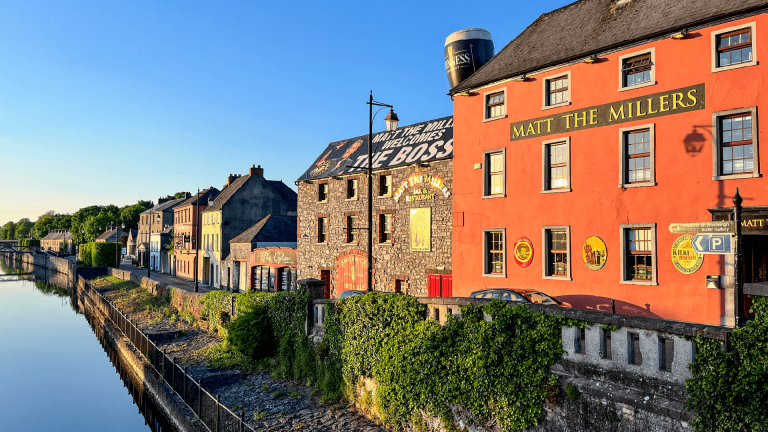
A Tale of Two Irelands
Experience the magic of the Emerald Isle, where lush rolling landscapes, lively traditions and warm hospitality combine to create an unforgettable journey.
Northern Ireland Facts & Tips


Did you know?
- In 1921, the island of Ireland was split into two parts: Northern Ireland stayed within the United Kingdom, while the remainder became the Republic of Ireland.
- The Titanic was built in Belfast.
- Although the official name of the region is Northern Ireland, it has many other names including “The Six Counties”, “The Province”, or “Ulster”. Many of these names carry political implications, so if you're uncertain which one to use, it's safest to go with "Northern Ireland."
- Game of Thrones was filmed in various locations across Northern Ireland, including Ballintoy Harbour, Downhill Strand and the Dark Hedges.
- The seahorse is one of Belfast's best-known civic symbols, appearing on the city's coat of arms and official crest.
Visas & Passports
Australian passport holders travelling to the United Kingdom, including England, Scotland, Wales and Northern Ireland, do not need a visa for stays up to 6 months for tourism. However, an Electronic Travel Authorisation (ETA) is required prior to travel. Please visit the Passports and Visas page for more information.
We require that your passport is valid for travel for at least six months from the date you are planning to return to Australia. Your passport must be valid to travel. You also need to carry a valid return ticket on you.
Whether travelling on an Australian passport or the passport of another country, all travellers require visas for a number of countries, and it is your responsibility to secure what may be required before departing Australia. You can consult with your travel agent, but it is also recommended that you check the foreign embassy website for your respective destination as it can also provide you with useful information.
The Australian High Commission in the United Kingdom also serves Australians visiting Northern Ireland:
Australia House
The Strand
London WC2B 4LA
Ph. +44 20 7379 4334
Fax. +44 20 7887 5558
Currency
The official currency of the United Kingdom is the Pound Sterling. Notes come in denominations of £50, £20, £10 and £5.
The recommended currency to take to Northern Ireland is the Pound Sterling. Ensure you change a small amount into small denominations.
Check with your bank whether you need to notify them of your travel plans and ensure your cards are activated for overseas use.. Also make a note of the 24-hour emergency contact number of the bank or building society which issued your credit card in the unlikely event that your card is lost or stolen.
Whenever possible use ATMs when the banks are open (Mon – Fri) so that if a machine ‘eats’ your card you can then deal with it straight away. It is always advisable to carry a supply of cash in addition to your credit card.
If you don’t have Pound Sterling with you on arrival, we advise you to exchange some money into the local currency at the airport even if the exchange rate is not the best, this way you’ll have money to get a drink, snack or give a tip during those first few hours of arrival. Your guide will be able to advise you on the best places to exchange money.
Small change is also useful for paying for toilets while on tour which is customary in many places outside of Australia.
Dining
- The price of a cappuccino in Belfast is approximately £3.60
- The price of an inexpensive lunch is approximately £15
- The price of dinner in a moderate restaurant is approximately £35
- The price of a beer in a local pub is approximately £5.50
Northern Ireland's food scene draws on hearty, traditional roots as well as a growing modern dining culture in Belfast. No trip is complete without trying a proper Ulster Fry — a generous cooked breakfast featuring bacon, sausages, eggs and, distinctively, soda bread and potato bread (sometimes called "fadge"), fried until golden. Traditional dishes like Irish stew and colcannon (mashed potato with cabbage or kale) remain popular comfort food, while seafood lovers should look out for fresh mussels and oysters from Strangford Lough. To drink, don't miss a taste of Bushmills, produced at the Old Bushmills Distillery in County Antrim — licensed in 1608, it's widely recognised as the world's oldest working whiskey distillery. In Belfast, you'll also find an increasingly vibrant café and restaurant scene, with everything from cosy traditional pubs to award-winning modern Irish cuisine.
Weather
Considering Northern Ireland's position between the Irish Sea and the Atlantic Ocean, it's not surprising that it has a relatively mild climate, with cooler summers and somewhat mild winters. However, rain is frequent throughout the year, contributing to the lush green landscapes we think of when we think of Northern Ireland. Categorised as a temperate maritime climate, summer temperatures normally sit in the high teens to low 20s °C, while winter temperatures generally remain between 2°C and 8°C.
Getting Around
Want to get out and explore on your own?
Getting around Northern Ireland is relatively easy thanks to an extensive public train and bus network, connecting cities and towns with ease. Belfast is a beautiful old city, therefore simply getting out and having a wander is a wonderful way to explore here.
For those with a little more time, hiring a car is good value and a great way to discover those harder to reach corners of Northern Ireland.
When catching taxis, make sure you have small change on you and choose one with a meter, if not make sure you negotiate the price before getting in. Ask your guide or hotel concierge for the names of reputable taxi companies.
Shopping
So, you'd like to bring home a special souvenir from Northern Ireland...
Visitors to Northern Ireland have an array of locally made souvenirs to choose from, including Irish linen, pottery, ceramics and hand-knitted woollen items, all reflecting the region’s artistic traditions. No visit to Northern Ireland would be complete without a piece of iconic Irish jewellery, such as a Claddagh ring or a Celtic knot design, symbolising love, loyalty and friendship. Food and drink lovers can also bring home a bottle of Bushmills, distilled at the Old Bushmills Distillery in County Antrim — licensed in 1608, it's recognised as the world's oldest working whiskey distillery — along with delicious local cheeses and preserves made with native fruits. Just remember that food, alcohol and wooden items are subject to Australian border and customs regulations.
Local Etiquette
In Northern Ireland, like much of the United Kingdom, politeness and hospitality are highly valued. Generally speaking, locals are friendly and outgoing and love to make small talk, especially about the weather! Like Australians, locals in Northern Ireland value their personal space, so ensuring appropriate distances during conversations is appreciated. Overall, displaying kindness, respect and courtesy towards others, including ‘please’ and ‘thank you’ is a big key to navigating social situations here.
Northern Ireland's history includes several decades of political and religious conflict, commonly referred to as "the Troubles," which came to an end with the Good Friday Agreement in 1998. While Northern Ireland today is a warm, welcoming and largely peaceful place to visit, it's respectful not to assume a person's religious or political background, and to be mindful when discussing topics such as flags, parades or national identity, particularly with people you've just met. Locals are often happy to share their perspective on this history if you're genuinely curious and ask respectfully, and many choose to visit sites such as Belfast's political murals and peace walls as a way of understanding this part of the region's story.
Celebrations & Public Holidays
In Northern Ireland, cultural celebrations are a vibrant reflection of the country’s rich heritage and historical significance. One of the country’s most widely recognised celebrations is St Patrick’s Day, celebrated on March 17th with parades, music, festivities and the colour green, honouring the patron saint of Ireland.
Another significant date is 12 July, commonly known as The Twelfth or Orangemen's Day. It commemorates the victory of Protestant King William III over the Catholic King James II at the Battle of the Boyne in 1690 and is marked by parades organised by the Orange Order. The day is an important cultural celebration for many in the Protestant and unionist community.Other noteworthy Public Holidays include:
- New Years Day (1 January)
- St Patrick’s Day (17 March)
- Good Friday and Easter Monday
- Early May Bank Holiday (first Monday in May)
- Spring Bank Holiday (last Monday in May)
- Battle of the Boyne (12 July)
- Summer Bank Holiday (last Monday in August)
- Christmas Day (25 December)
- Boxing Day (26 December)


Northern Ireland FAQs
How many days do I need for Northern Ireland?
Plan at least three days for Northern Ireland, though you will easily fill more. Must-see destinations in Northern Ireland include Londonderry, Giant's Causeway and Belfast.
Is it worth seeing Northern Ireland?
Yes, absolutely. From stunning, rugged landscapes to cosy towns to the famous basalt columns of UNESCO-listed Giant’s Causeway, the natural beauty of Northern Ireland is unsurpassable.
What is the best way to tour Northern Ireland?
A small group tour of Northern Ireland ensures you see hidden secrets in Londonderry/Derry, Giant’s Causeway and Belfast, including Ireland’s oldest working fine china pottery and other historical venues.
Can't find the answers you're looking for? Check out our FAQs.
United Kingdom & Ireland Destinations
England
Green rolling hills, lively cities, quaint villages, cobblestone streets and an incredible amount of history are waiting to be explored in this fine country.
Republic of Ireland
Often referred to as the Emerald Isle, Ireland is the land of rugged coastal landscapes, Guinness, leprechauns, shamrocks and of course – St. Patrick’s Day.
Scotland
Soak up the culture of the country's vibrant capital, Edinburgh, step back in time as you visit quaint towns, and take in the serenity when you explore the country's incredible natural beauty.
Wales
Discover striking coastlines, dramatic mountain ranges, charming market towns and the beautiful capital, Cardiff.
Bunnik Reviews