Kyoto, once Japan’s imperial capital, is a city where tradition lives on in quiet temples, peaceful gardens, geisha culture, and culinary mastery. I had the pleasure of visiting this delightful city as part of Bunnik Tours’ Japan Discovery small group tour—a carefully considered itinerary that blends iconic sights with immersive experiences.
Day 1: Sake, Shrines & the Fushimi Inari Gates
Sake Brewing Experience
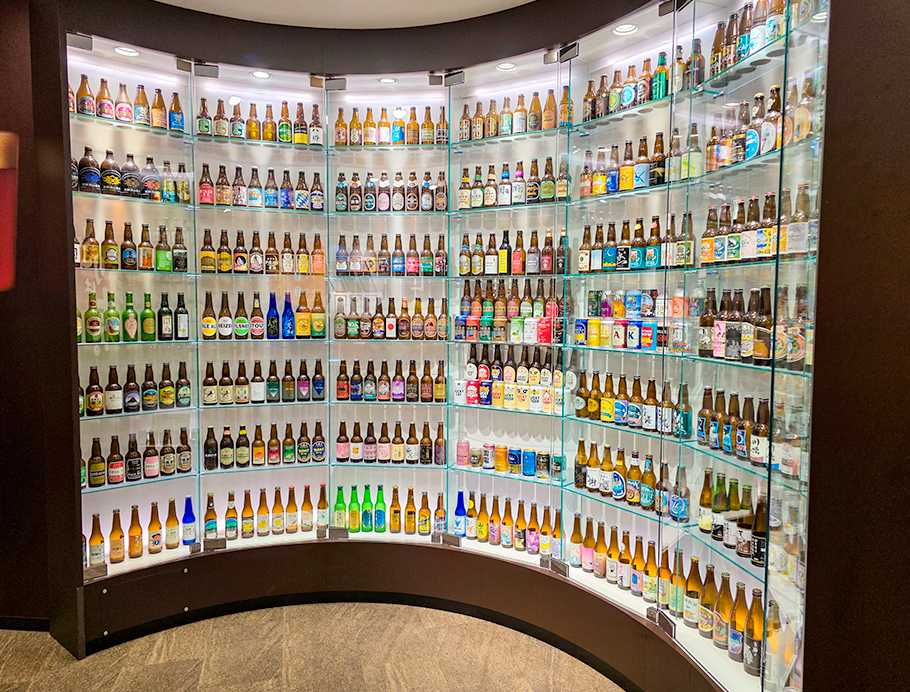
Our Kyoto experience began at Kizakura, which is in the Fushimi district. This place is blessed with an abundance of underground spring water ideal for making sake. Even the name "Fushimi" is derived from the meaning of spring water! We toured the traditional brewery, learning about the sake-making process from rice polishing to fermentation. The tasting session that followed introduced us to the delicate differences between each brew — some dry, others sweet, all crafted with centuries of care. I was delighted to purchase the blend of sake and champagne, a true combination of some of the finest masters.
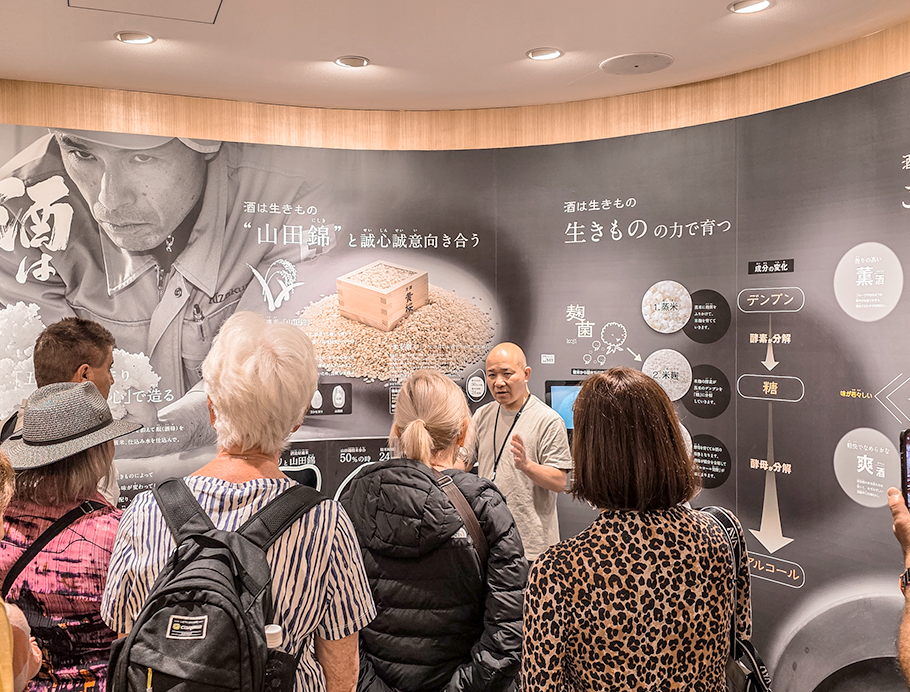
Sake Brewing Experience, KJ Phillips
Fushimi Inari Shrine
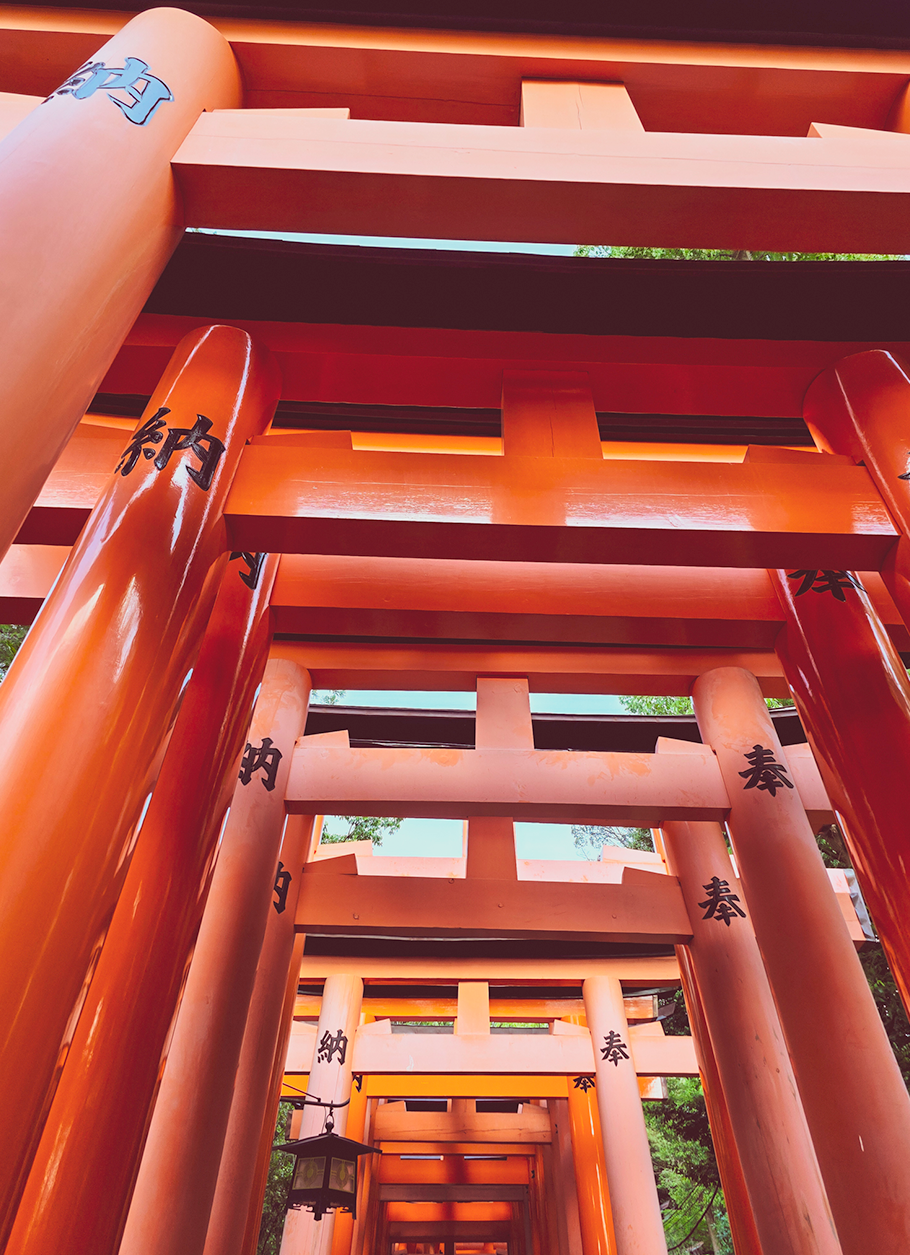
We then walked off the sake with a visit to the Fushimi Inari Taisha, one of Japan’s most iconic and photographed spots. The path through 10,000 vivid red torii gates winds its way up Mount Inari, creating a tunnel of colour and light. It’s a spiritual experience, with statues and smaller shrines offering quiet moments of reflection along the way. If there is one thing I have learnt about Japanese Shrines, it is that there are also plenty of food opportunities to snack along the way.
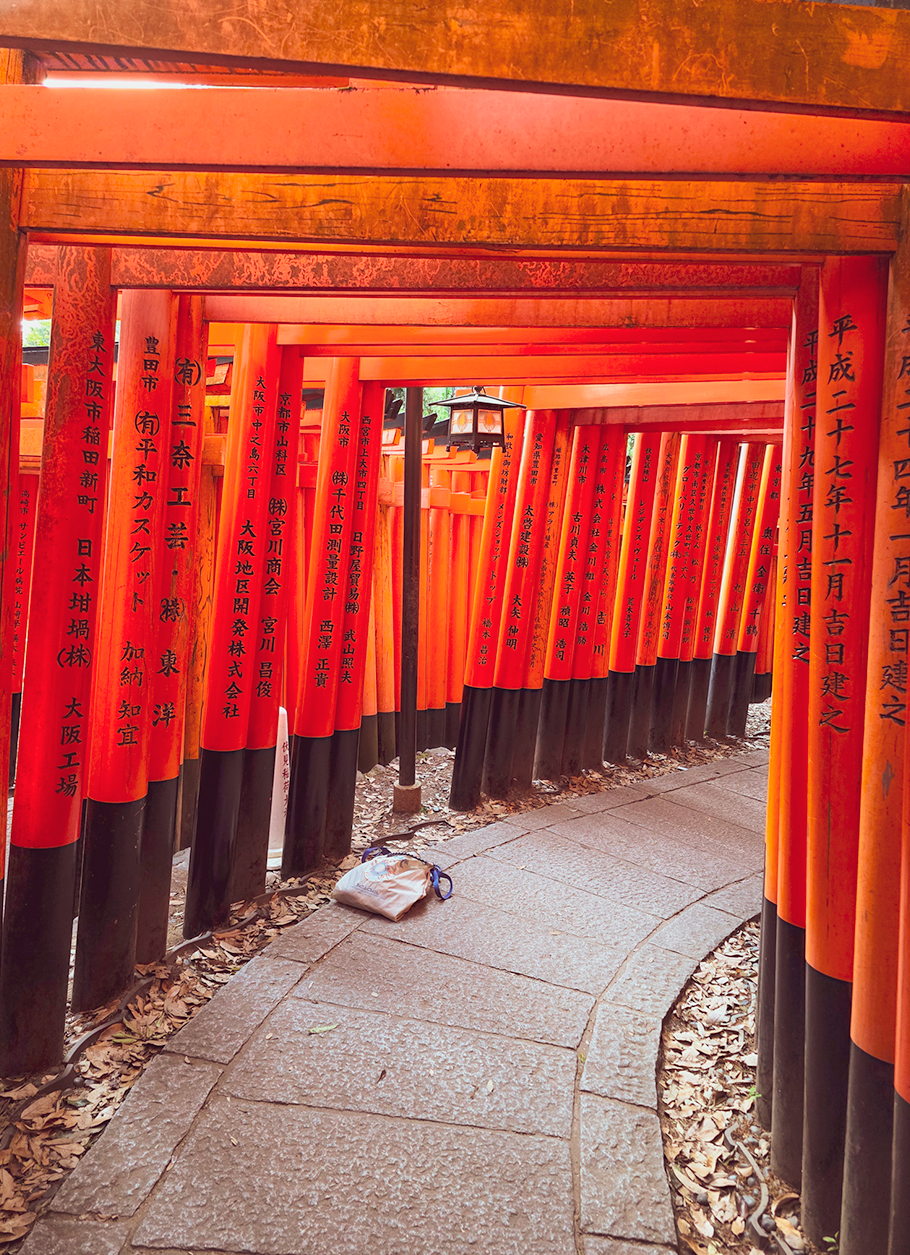
Fushimi Inari Shrine, KJ Phillips
Day 2: Philosophical Walks, Calligraphy & Tea
Philosopher’s Path
The day began peacefully with a stroll along the Philosopher’s Path, a scenic route lined with cherry trees, small temples and unique art shops. Once used by a Kyoto University professor for daily meditation, the path invites slow, mindful walking. In spring, it’s a canopy of blossoms; in autumn, a tunnel of gold. The walk was completed with a well-deserved vanilla ice-cream.
Japanese Calligraphy Workshop
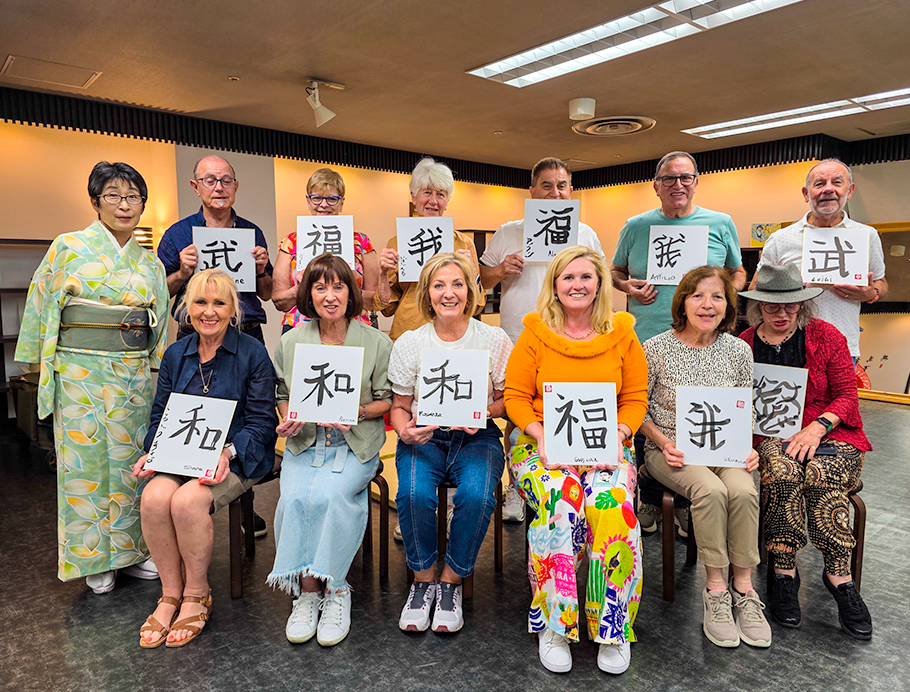
Later, we took part in a Japanese calligraphy (shodō) class, learning the basics of brush technique and kanji characters. It was meditative, expressive and evident that I am not artistic despite the patient instruction from the masters. I did however create a piece to take home as a memorable souvenir of Kyoto’s heritage.
 9.png)
Japanese Calligraphy Lesson, KJ Phillips
Traditional Tea Ceremony
In the afternoon, we were welcomed to participate in a traditional tea ceremony. Watching our host gracefully prepare the matcha, each movement precise and intentional, we gained a deep appreciation for this centuries-old ritual. It’s not just about drinking tea; it’s about harmony, respect, and presence.
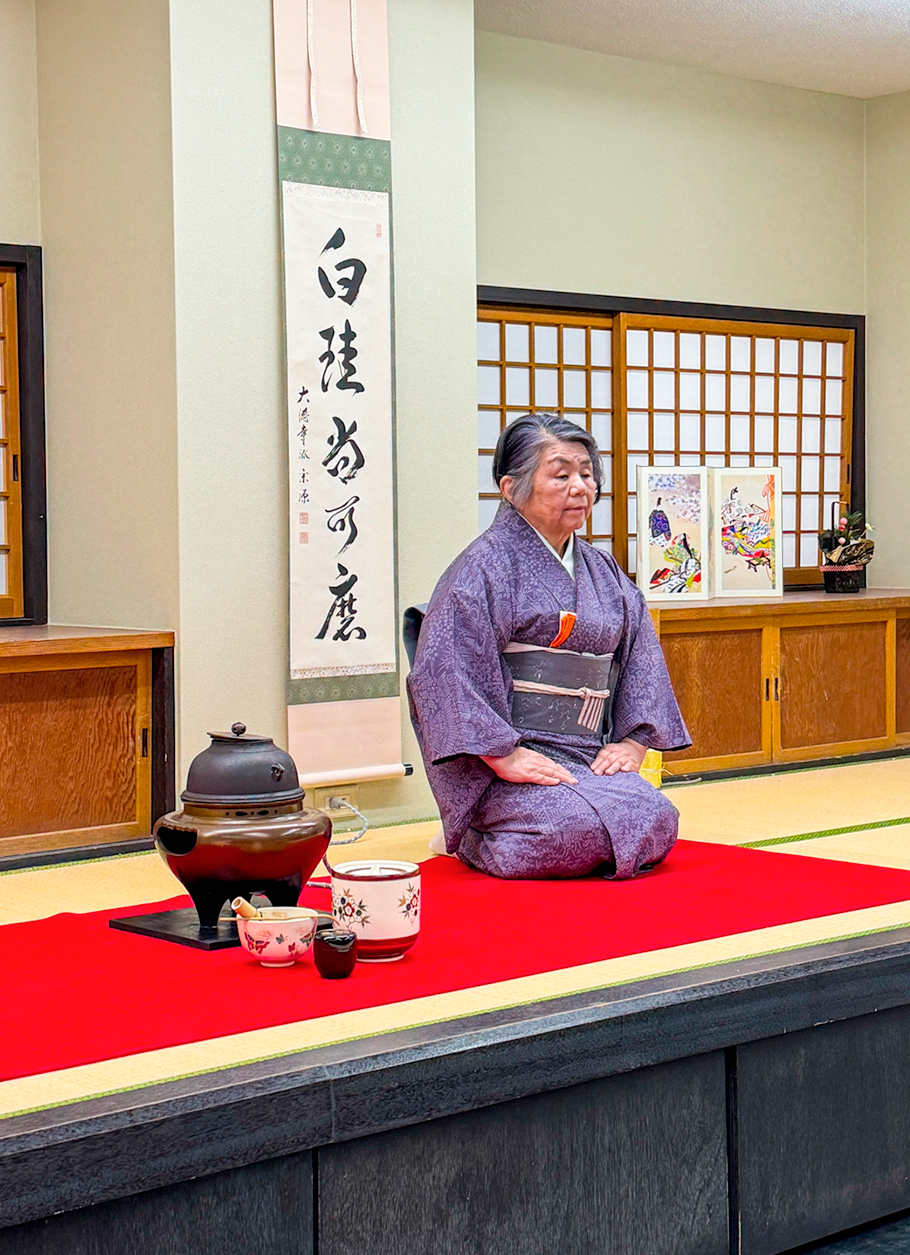
Tea Ceremony, KJ Phillips
The afternoon was ours to explore. Kyoto is perfect for unhurried discovery — be it a hidden temple, a quiet garden, or a cozy café serving sweets. I visited one of the many restaurants to enjoy freshly prepared nigari, sushi and sashimi.
Day 3: Gold, Gardens & Local Flavours
Kinkaku-ji (Golden Pavilion)
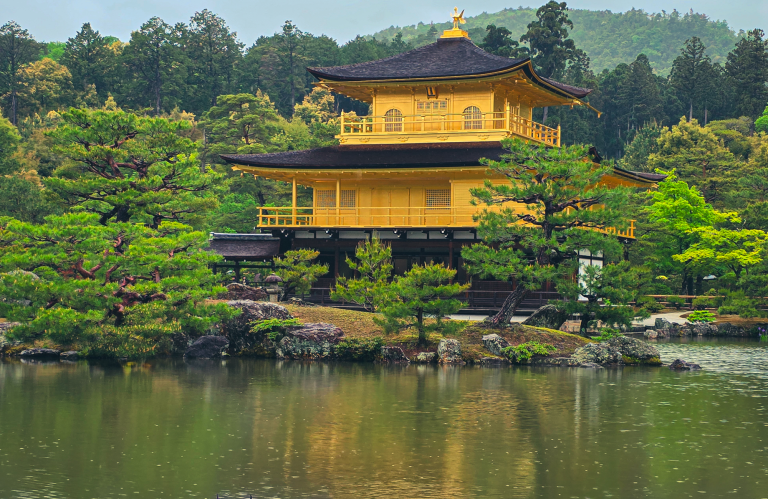
A visit to Kinkaku-ji, the famed Golden Pavilion, was on the cards for this morning. Covered in brilliant gold leaf, the Zen temple reflects elegantly in the still pond below, framed by lush gardens and pine trees. It’s one of Kyoto’s most breathtaking sights, especially in morning light and despite the light rain showers we loved walking through the gardens, breathing in the fresh smell of nature.
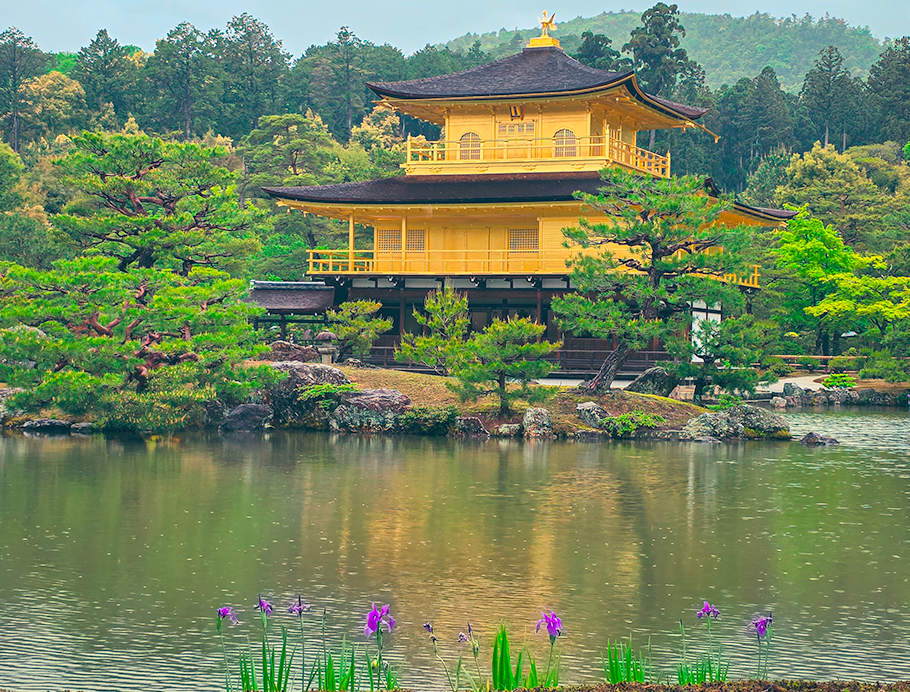
Golden Pavilion, KJ Phillips
Tofu & Shichimi Making + Obanzai Lunch
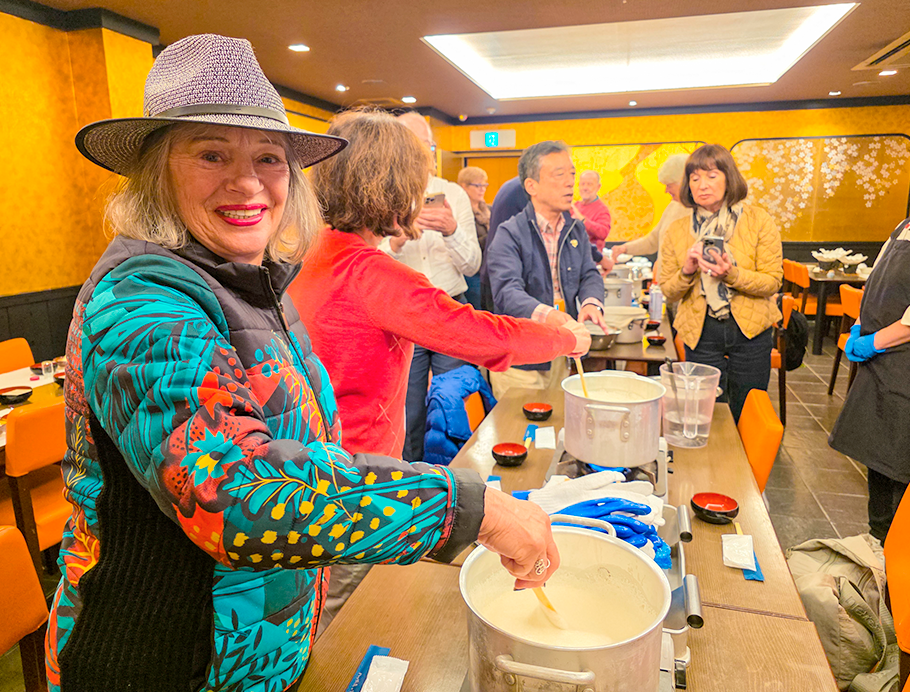
An acquired taste, we joined a hands-on tofu and shichimi (seven-spice) making session. Laugher abounded as the experience offered insight into Kyoto’s food culture — particularly obanzai, a style of simple, seasonal home cooking. This really highlighted our cooking skills, or lack thereof. Our lunch featured a delightful spread of freshly made tofu, pickles, and vegetables before we enjoyed an afternoon of leisure time to explore independently.
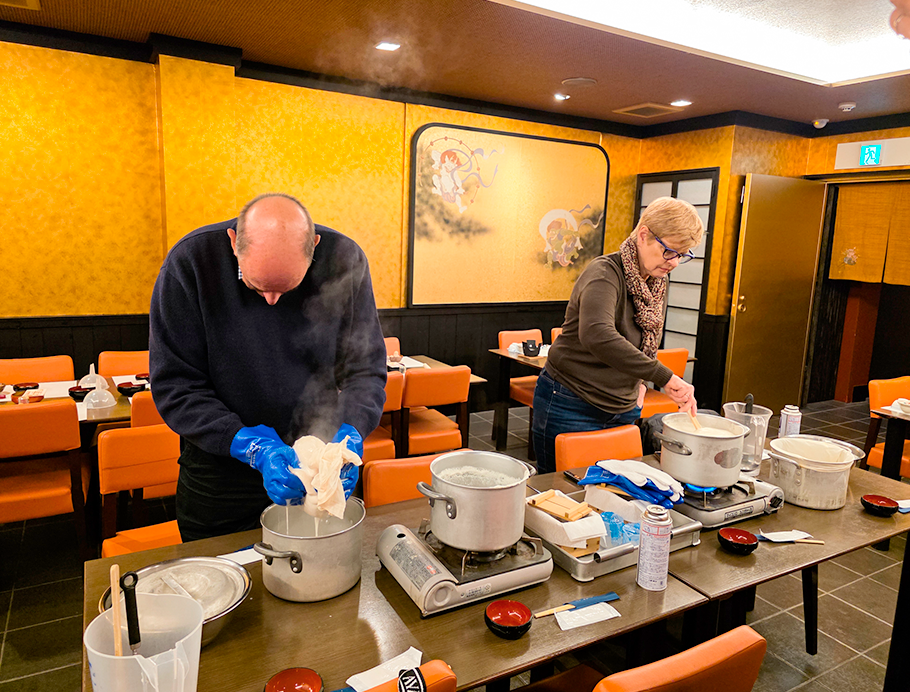
Tofu & Shichimi Making Class, KJ Phillips
Day 4: Whispering Bamboo & Sacred Spaces
Arashiyama: Togetsukyo Bridge & Tenryu-ji Temple
In the morning, we travelled west to Arashiyama, a scenic district known for its bamboo groves and river views. We strolled across the graceful Togetsukyo Bridge — known as the ‘Moon Crossing Bridge’— and visited Tenryu-ji Temple, a UNESCO World Heritage site with meticulously landscaped gardens. The contrast of mountains, water, and stone here is quintessential Kyoto. Gazing up at the bamboo forest ceiling one must marvel at the speed in which these plants grow, and we were so blessed to see the azaleas and wisteria starting to bloom in the grounds of the shrine.
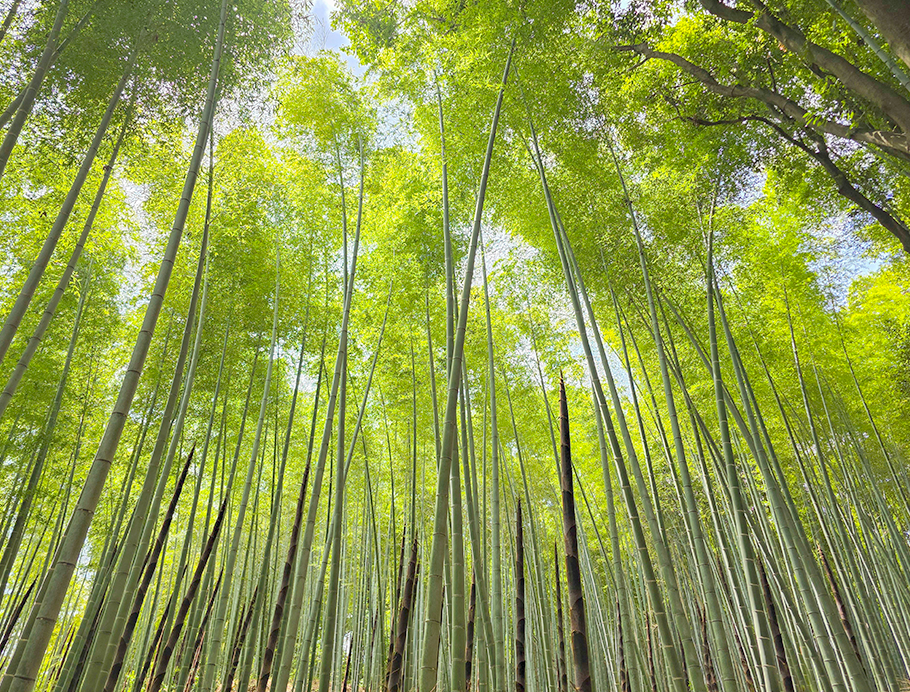
Arashiyama Bamboo Forest, KJ Phillips
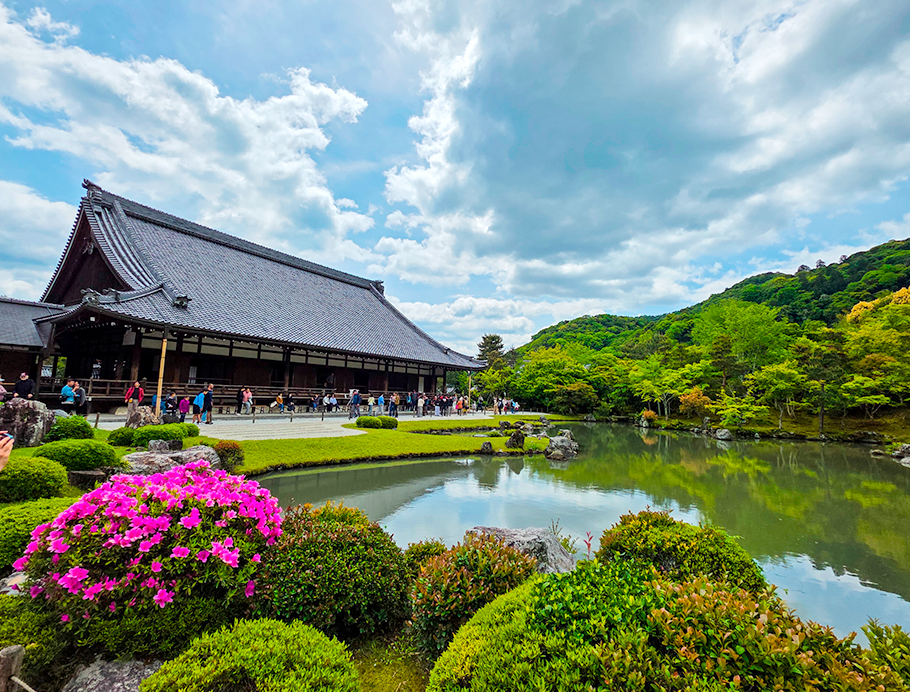
Tenryu-ji Temple, KJ Phillips
Ready to explore Kyoto the Bunnik way?
Three days in Kyoto may only scratch the surface, but each experience leaves a lasting impression. Whether you’re walking through endless torii gates, sipping matcha in silence, or creating your own tofu from scratch, Kyoto invites you to connect — not just with a place, but with a culture.
The Japan Discovery tour by Bunnik Tours brings all this together seamlessly. With small group sizes, a knowledgeable local guide, and with the all-considered balance of guided activities and free time, it’s an ideal way to experience Japan’s cultural soul.
So what are you waiting for? Book your journey to Japan now!