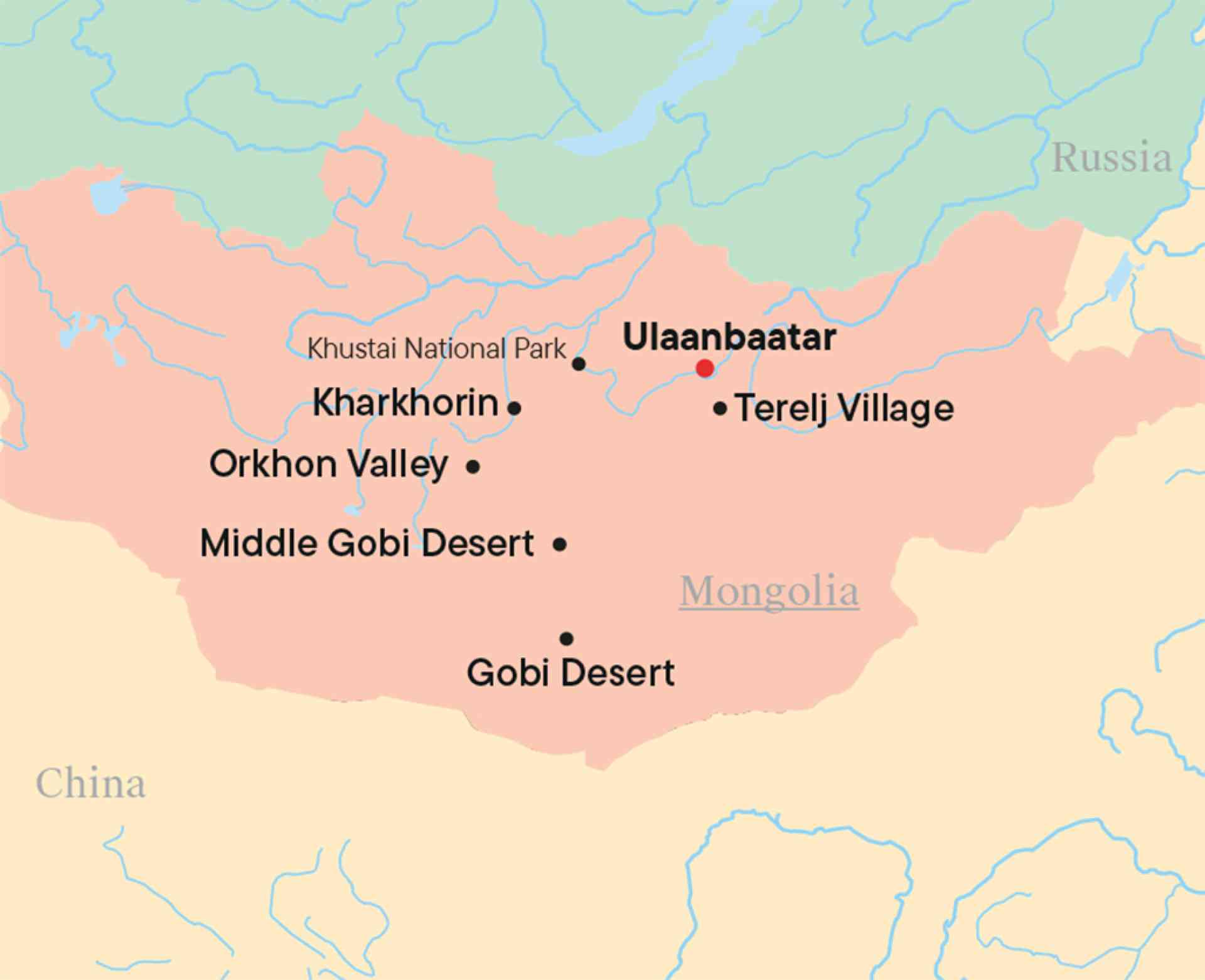
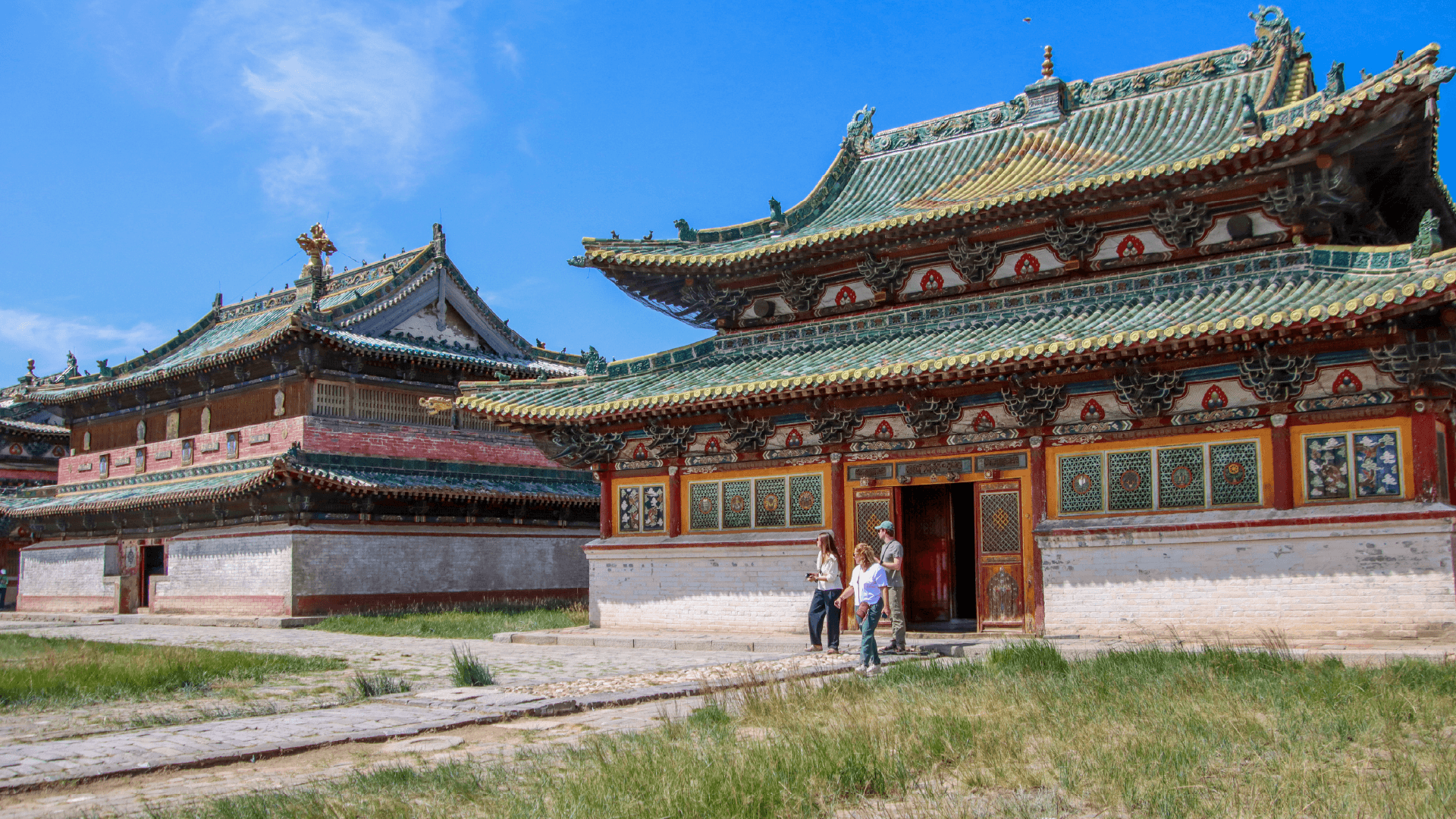
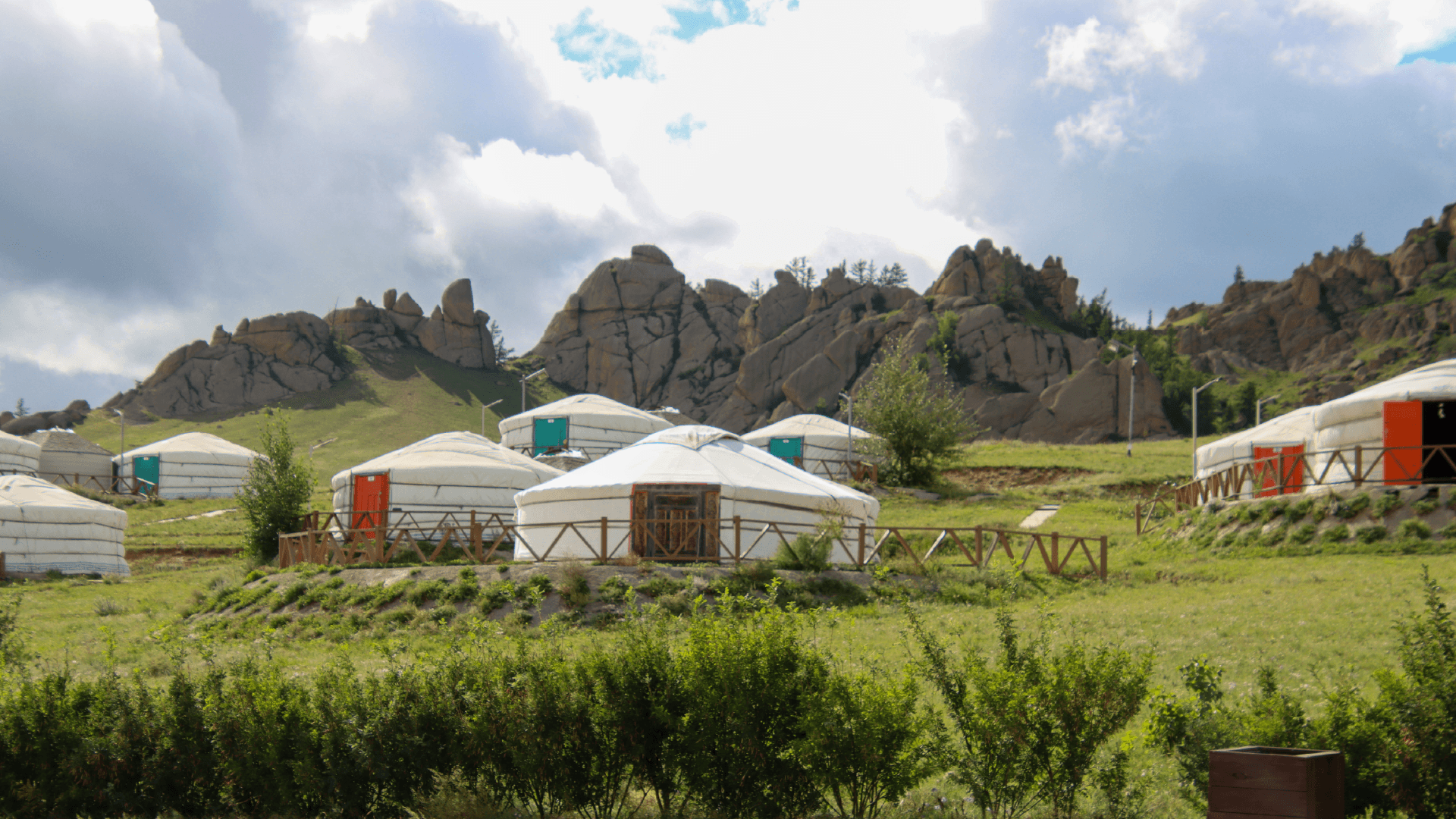
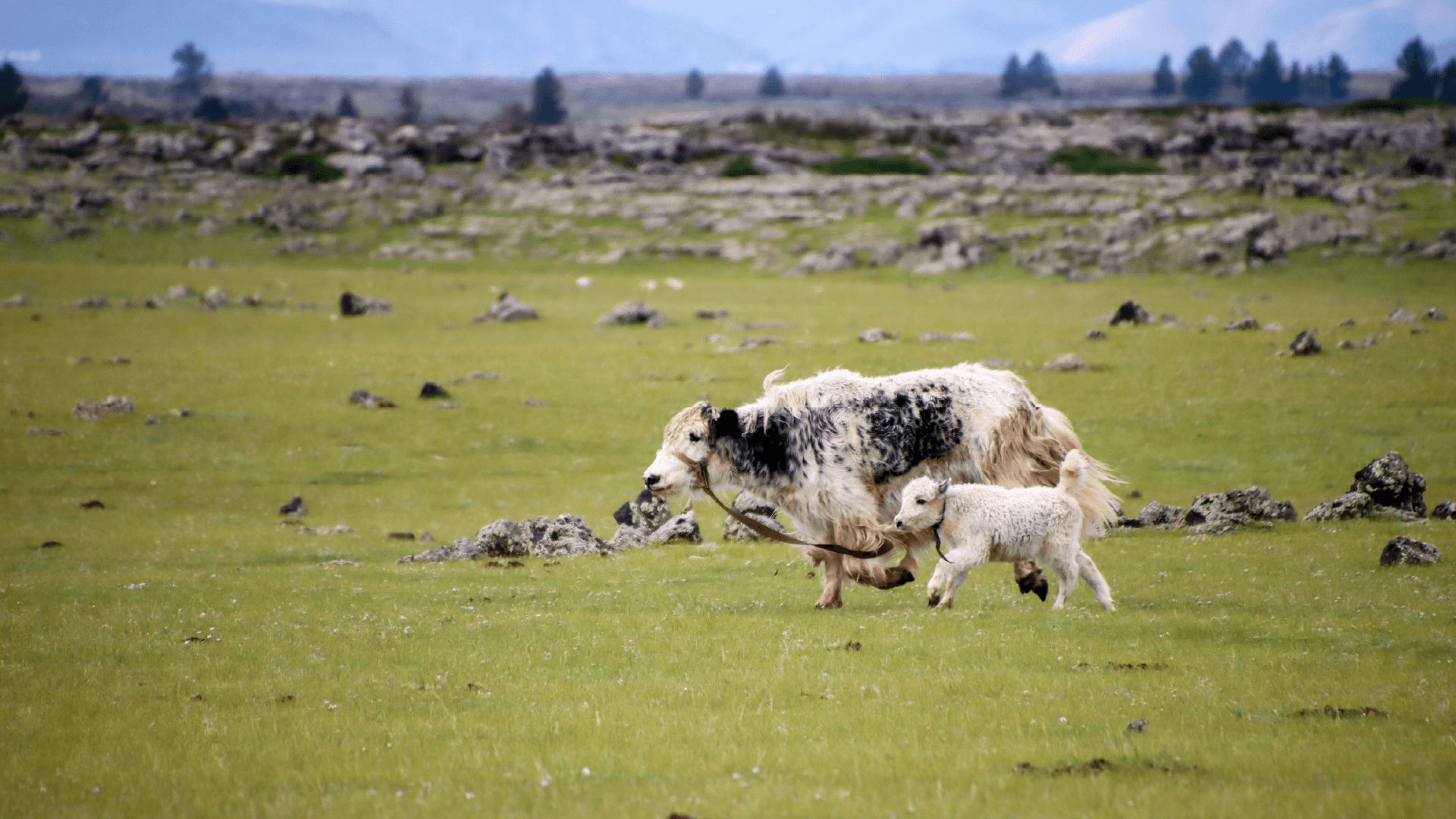
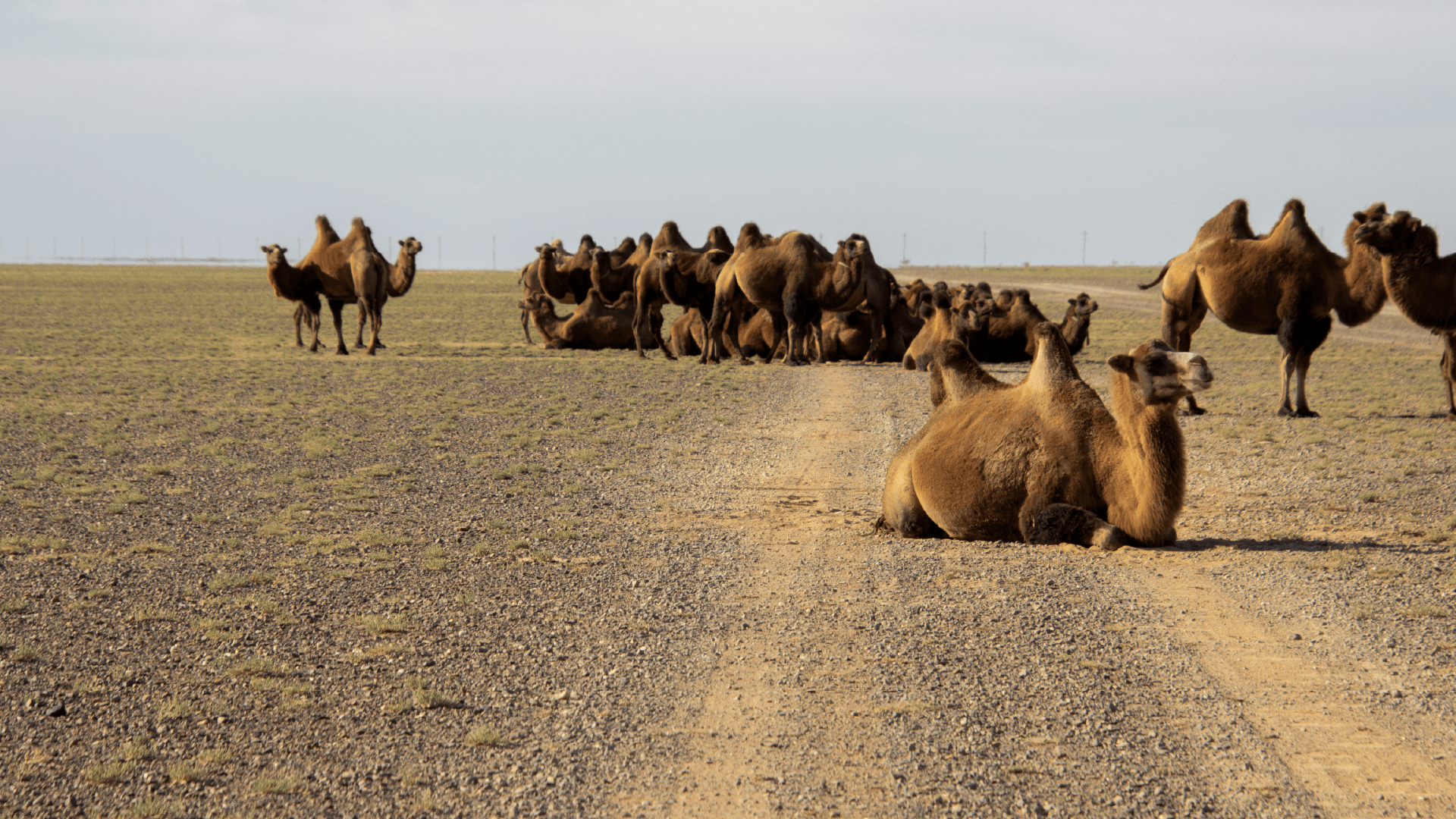
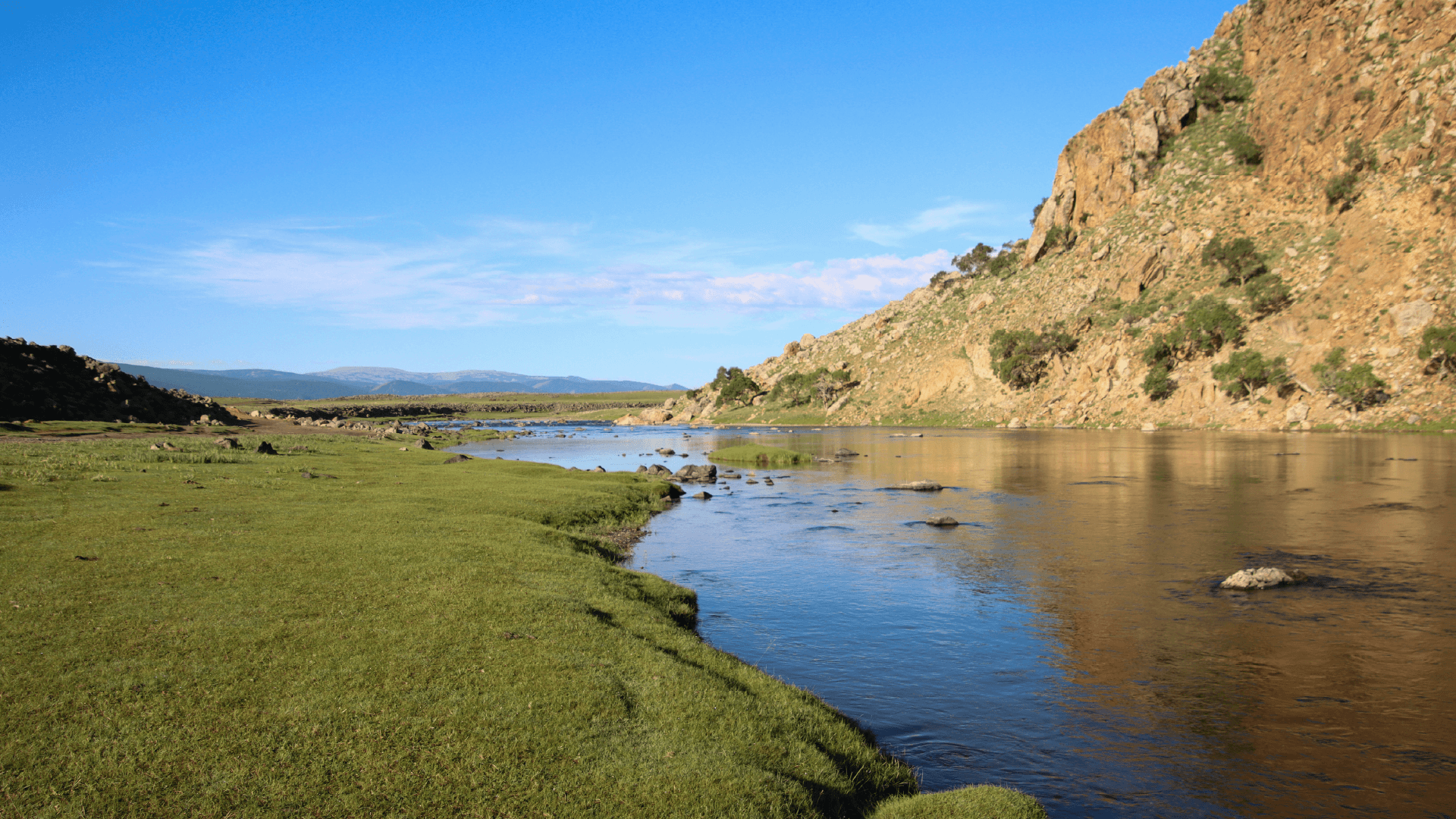
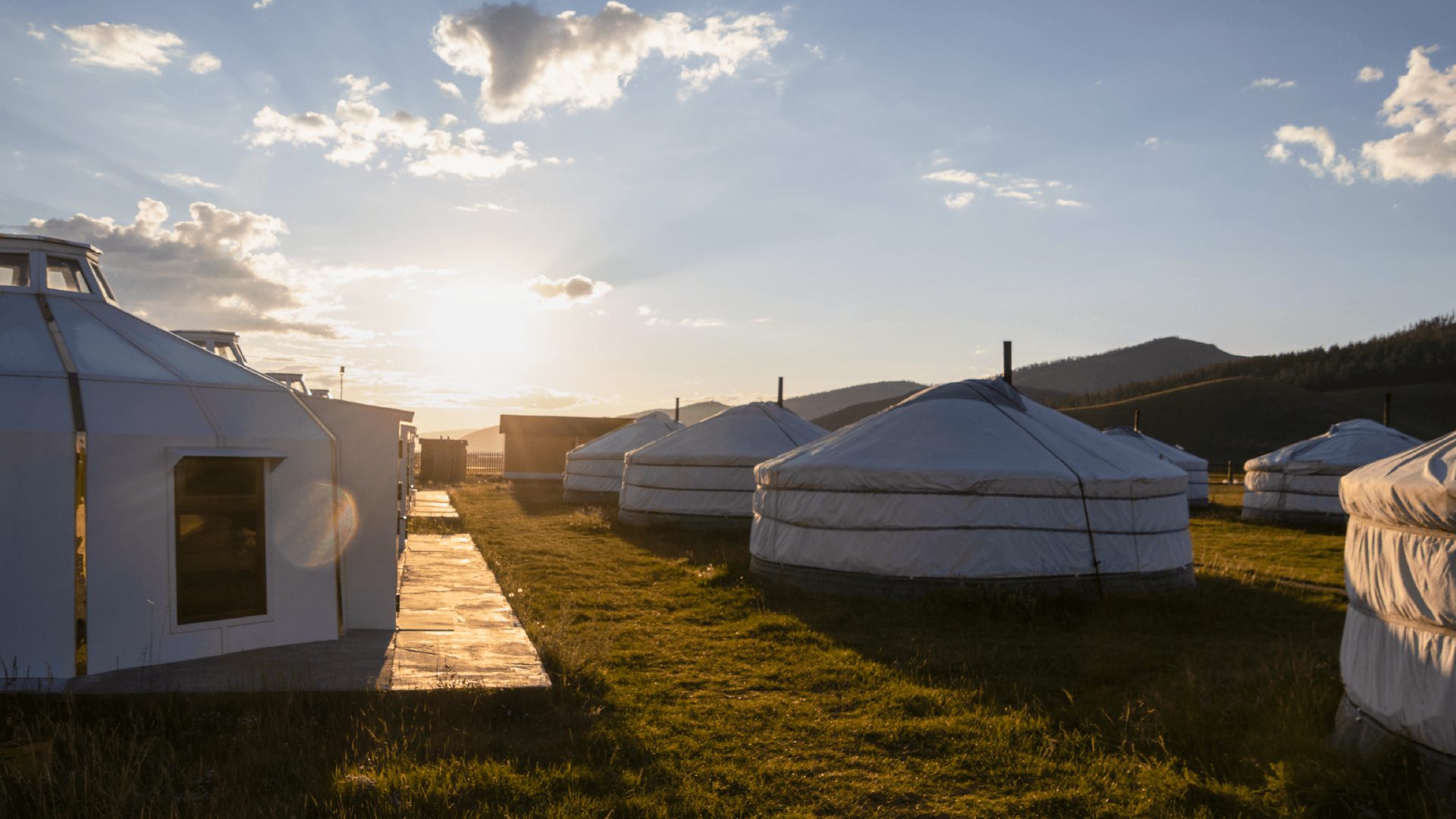
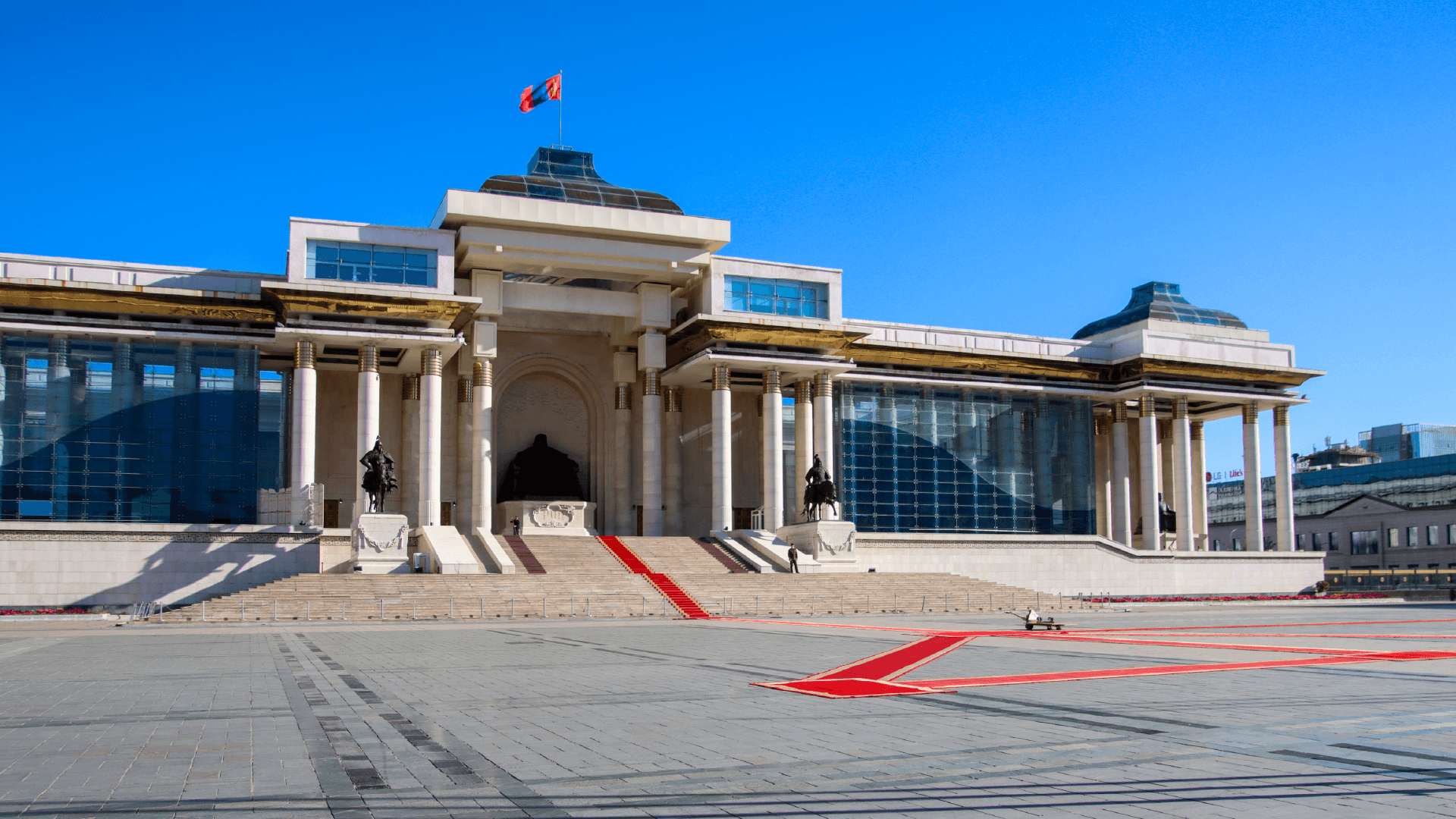
Step into Mongolia, a country of endless horizons, ancient traditions and wild, untamed landscapes. From the sweeping grasslands of the steppe and the rugged beauty of the desert to the bustling streets of Ulaanbaatar, Mongolia offers a fascinating blend of adventure, culture and history. With vast landscapes and a rich nomadic heritage around every corner, Mongolia is the perfect destination for those looking to experience something truly different. Ready for an adventure unlike any other? Discover all that Mongolia has to offer on a Bunnik Tours holiday – book one of our small group tours online today or get in contact with one of our friendly travel specialists.
Small Group Tours
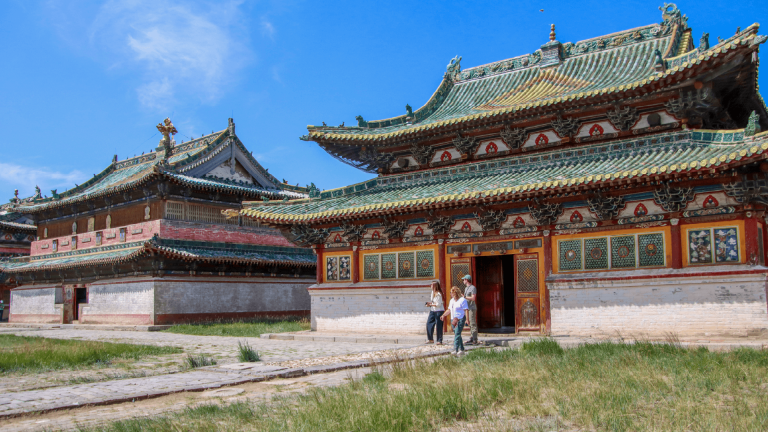
Mongolian Explorer
Discover Mongolia, a land of rugged steppes, roaming nomads and more horses than people.
Airfares included
Mongolia Facts & Tips
Did you know?
- Mongolia is the second-largest landlocked country in the world.
- Music is an important aspect of Mongolian culture and is used to express emotions for nature, the land, the horses, and for loved ones.
- The word ‘Mongol’ is said to mean
- One of the biggest holidays of the year is Naadam Festival. This is also the biggest sporting event.
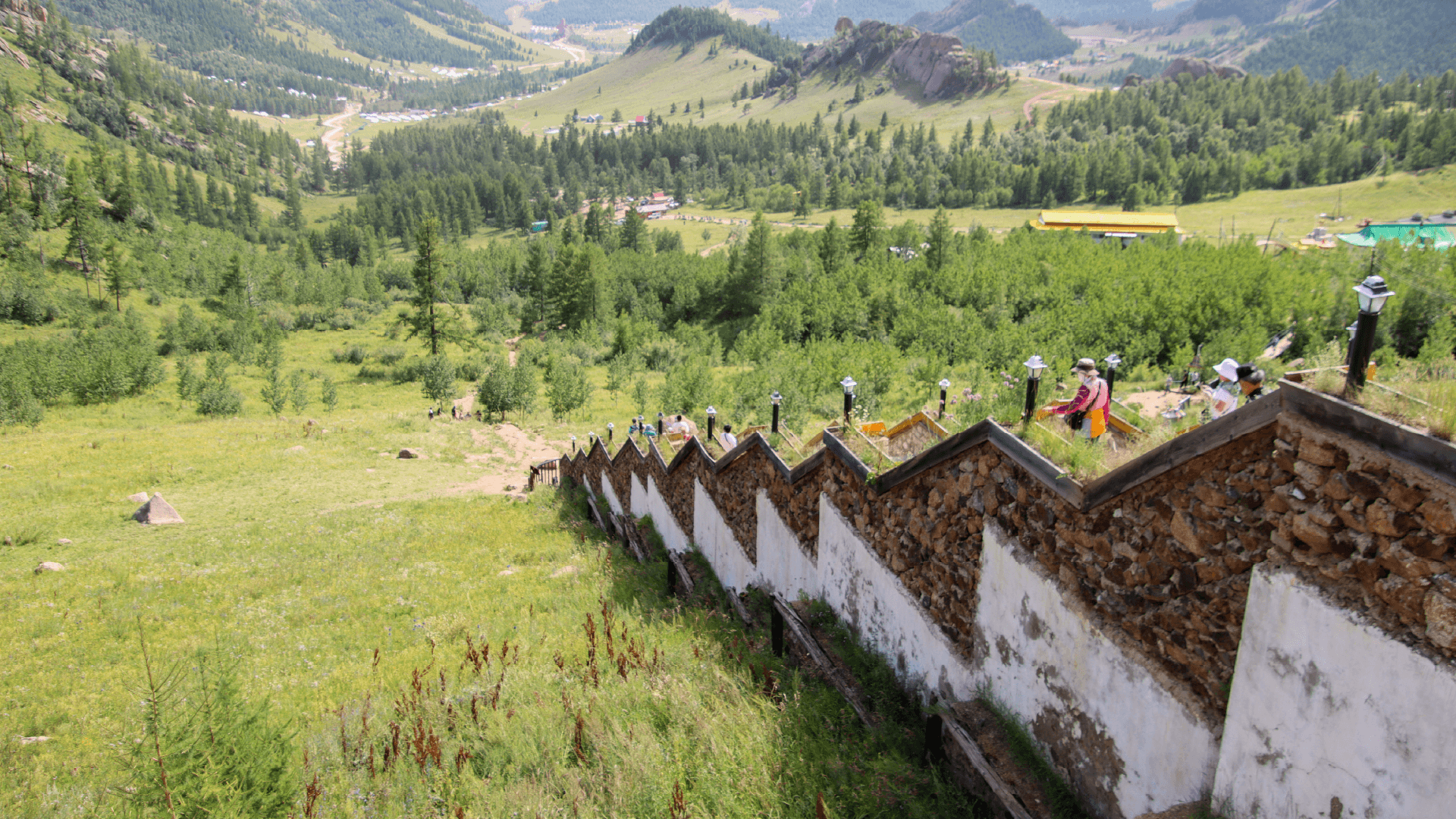
- Mongolia is home to the world’s oldest national park Bogd Khan Uul, protected since 1778.
- Throat singers in Mongolia use the technique to sing through their throat and nose at the same time, producing two different sounds simultaneously.
- One-third of the world’s snow leopard population lives in Mongolia.
- Mongolia is often referred to as “the land of the blue sky”, as it has over 260 days of clear, blue sky.
Visas & Passports
Australian passport holders travelling to Mongolia do not need a visa at this time.
We require that your passport is valid for travel for at least six months from the date you are planning to return to Australia. Your passport must be valid to travel internationally and must be machine-readable. You also need to carry a valid return ticket on you.
Whether travelling on an Australian passport or the passport of another country, all travellers require visas for a number of countries, and it is your responsibility to secure what may be required before departing Australia. You can consult with your travel agent, but it is also recommended that you check the foreign embassy website for your respective destination as it can also provide you with useful information.
Australian Embassy in Mongolia:
Level 20, Shangri-La Centre
19A Olympic Street, Sukhbaatar District-1
Ulaanbaatar 14241
Mongolia
Ph: +976 7013-3001
Currency
The official currency of Mongolia is the Mongolian Tögrög (MNT; symbol ₮). Banknotes are available in denominations from ₮10 to ₮20,000, with coins also in circulation. Credit cards are accepted at many hotels, restaurants and larger shops in Ulaanbaatar, but cash is still widely used, particularly outside the capital. It is advisable to carry some Mongolian Tögrög with you when travelling to rural areas, where card facilities and ATMs can be limited.
Advise your bank of your travel plans so that they can make a note of it, otherwise they may cancel your credit card as a safety measure due to overseas transactions. Also make a note of the 24-hour emergency contact number of the bank or financial institution that issued your credit card in the unlikely event that your card is lost or stolen.
Whenever possible, use ATMs during banking hours so that if a machine ‘eats’ your card, you can deal with it straight away. It is always advisable to carry a supply of cash in addition to your credit card, particularly when travelling outside Ulaanbaatar.
If you don’t have Mongolian Tögrög with you on arrival, we advise you to exchange some money into the local currency at the airport or in Ulaanbaatar. Your guide will be able to advise you on the best places to exchange money. US dollars and euros are commonly exchanged, while Australian dollars may not be accepted everywhere.
Small change is also useful for paying for toilets, tipping and making small purchases while on tour, particularly when travelling through rural areas.
Dining
- The average price of a cappuccino in Ulaanbaatar is ₮8,600–9,000
- The average price of an inexpensive lunch is approximately ₮10,000–20,000
- The price of dinner in a moderate restaurant is approximately ₮50,000–100,000
- The price of a beer in a local pub is ₮5,000–12,000
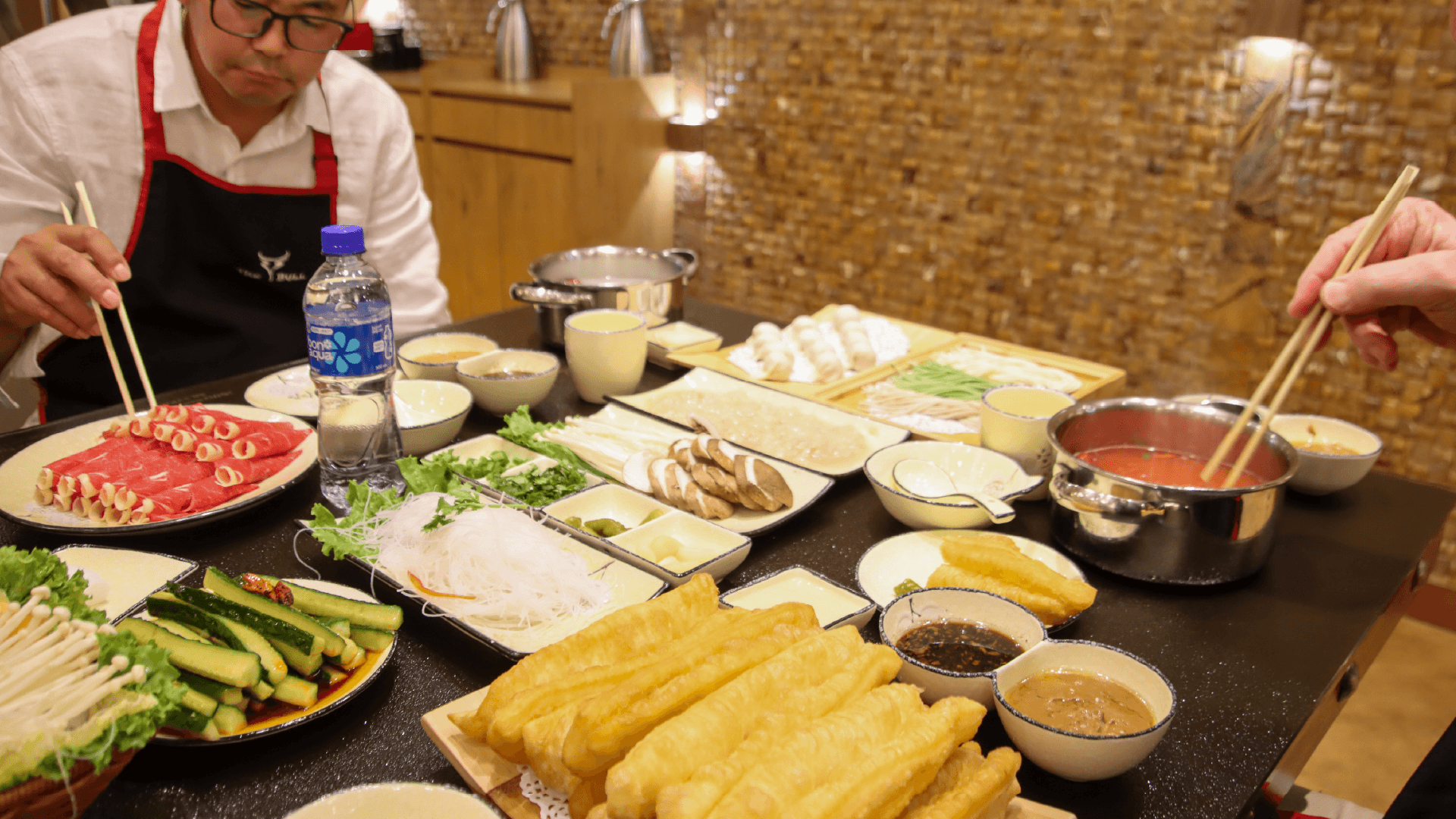
Mongolian cuisine is hearty and filling, with meat and dairy products featuring heavily due to the country’s nomadic traditions. Popular dishes to try include buuz, steamed dumplings filled with meat, khuushuur, crispy fried meat pastries, and tsuivan, a stir-fried noodle dish with meat and vegetables. In the countryside, you may also have the opportunity to try khorkhog, meat cooked with hot stones, a traditional dish often prepared for special occasions.
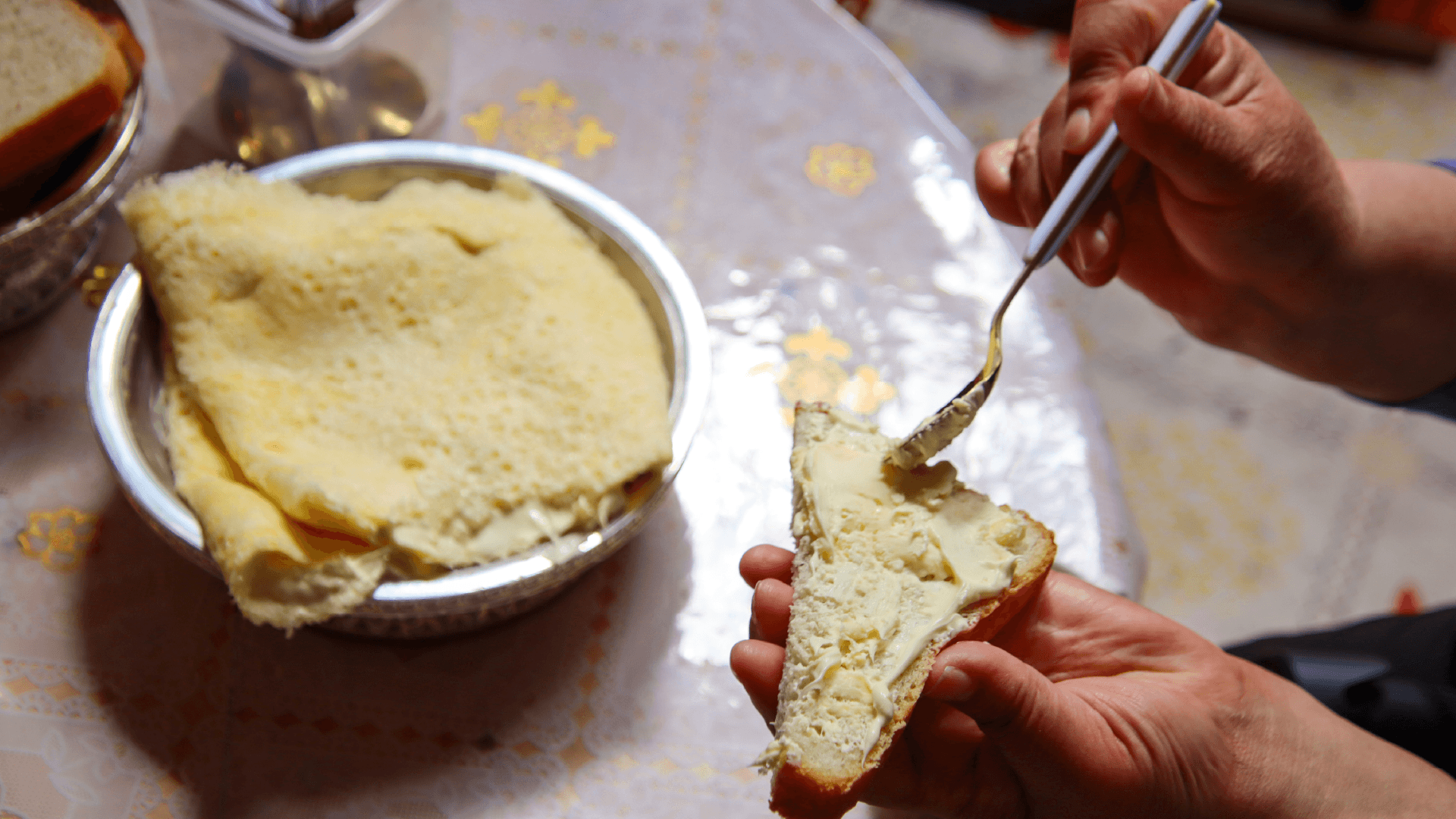
Mongolia is also known for its traditional dairy products and drinks. Airag, a fermented drink made from mare’s milk, is an important part of Mongolian food culture and is recognised by UNESCO as an element of intangible cultural heritage. Other traditional dairy products include yoghurt, dried curds and milk tea.
In Ulaanbaatar, you’ll find a wide range of restaurants serving both Mongolian and international cuisine, including Chinese, Korean, Japanese, Indian and European food. Outside the capital, dining options are more limited, particularly when staying in traditional ger camps, where meals are often simple and hearty.
Mongolian food can be quite meat-heavy, so vegetarians and those with dietary requirements should advise their guide or accommodation provider in advance. It is also a good idea to carry some snacks when travelling through remote areas, where shops and restaurants can be few and far between.
Weather
Mongolia has a continental climate, with four distinct seasons and large temperature differences between summer and winter. Summers from June – August are generally warm and dry, although temperatures can drop quickly in the evening. Winter, from November – March, is extremely cold, particularly in the north and central regions, with snow and strong winds common. Spring can be windy and dusty, while autumn brings crisp, cool days and increasingly cold nights.
Getting Around
Want to get out and explore on your own?
When you are in Ulaanbaatar, taxis are an easy way to get around, although traffic can be heavy, particularly during peak hours. Walking is also a good option for exploring the city centre, where many of the main sights, shops and restaurants are within a reasonable distance of each other. Public buses operate throughout the city, but they can be crowded and may be less convenient for visitors.
Outside Ulaanbaatar, getting around is more challenging due to Mongolia’s vast distances and limited road network. Most travellers use a private vehicle, minibus or organised tour to travel between towns and attractions. In rural areas, roads can be rough or unsealed, and journeys can take considerably longer than expected.
When catching a taxi, it is advisable to use a reputable taxi service or arrange one through your hotel. Agree on the fare before setting off if a meter is not being used. When travelling into the countryside, make sure you have plenty of water, snacks and any essentials you may need, as services can be few and far between.
Shopping
So, you’d love to bring home a special souvenir from Mongolia…
Mongolia is a great place to shop for traditional crafts and locally made products. Look for beautiful cashmere clothing, felt goods, hand-woven textiles, leather products, traditional Mongolian clothing, wooden crafts and colourful souvenirs. Mongolia is one of the world’s major cashmere producers, making scarves, jumpers, gloves and other cashmere garments particularly popular gifts. You may also find traditional ger decorations, horse-head fiddle ornaments, Mongolian artwork and handmade jewellery.
When shopping for cashmere, check the quality and fibre content carefully, particularly in tourist shops. Markets and smaller stores can offer a wider range of locally made products, as well as larger shops and department store.
The best places for browsing include Ulaanbaatar’s markets and cashmere shops, where you can find everything from traditional handicrafts to high-quality clothing. The Narantuul Market, known locally as the Black Market, is one of the city's largest markets and is an interesting place to experience local shopping and pick up souvenirs.
Local Etiquette
- Unlike other Asian countries, bargaining for a price is not prominent in Mongolia. However, there is no harm in doing some fair haggling while shopping at a local market.
- Everyday greetings include “Sain bainu?” (“How are you?”). In response you are expected to always answer in the positive “Sain sain” (“I’m well”).
- To show respect when accepting something, use your right hand and hold right elbow with your left hand or use both hands together.
- The head is considered the most sacred party of the body and the bottom of the feet is the dirtiest part of the body. One should not touch a person’s head, place a hand on the back of a chair in which someone is sitting, put feet on tables or chairs.
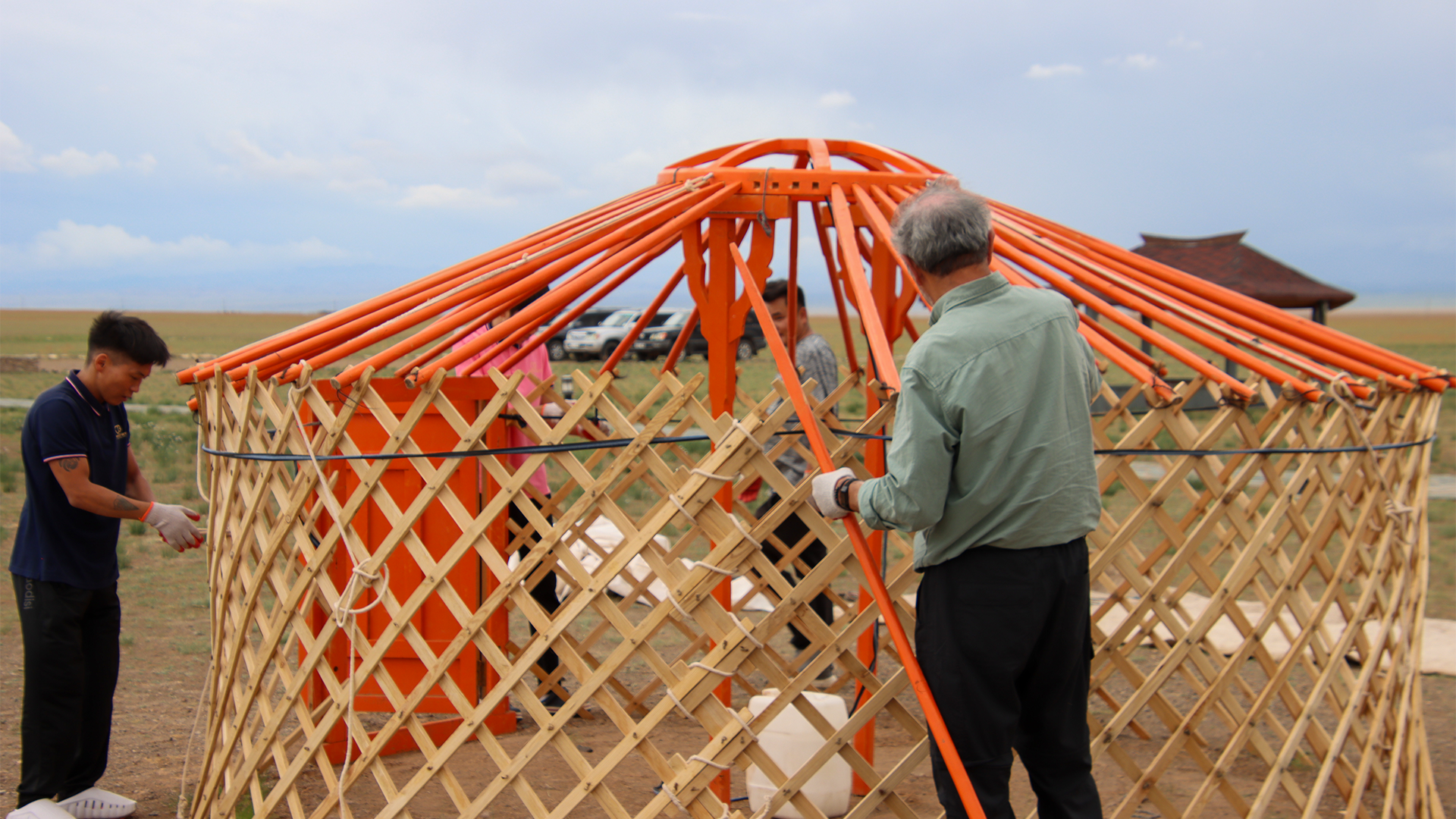
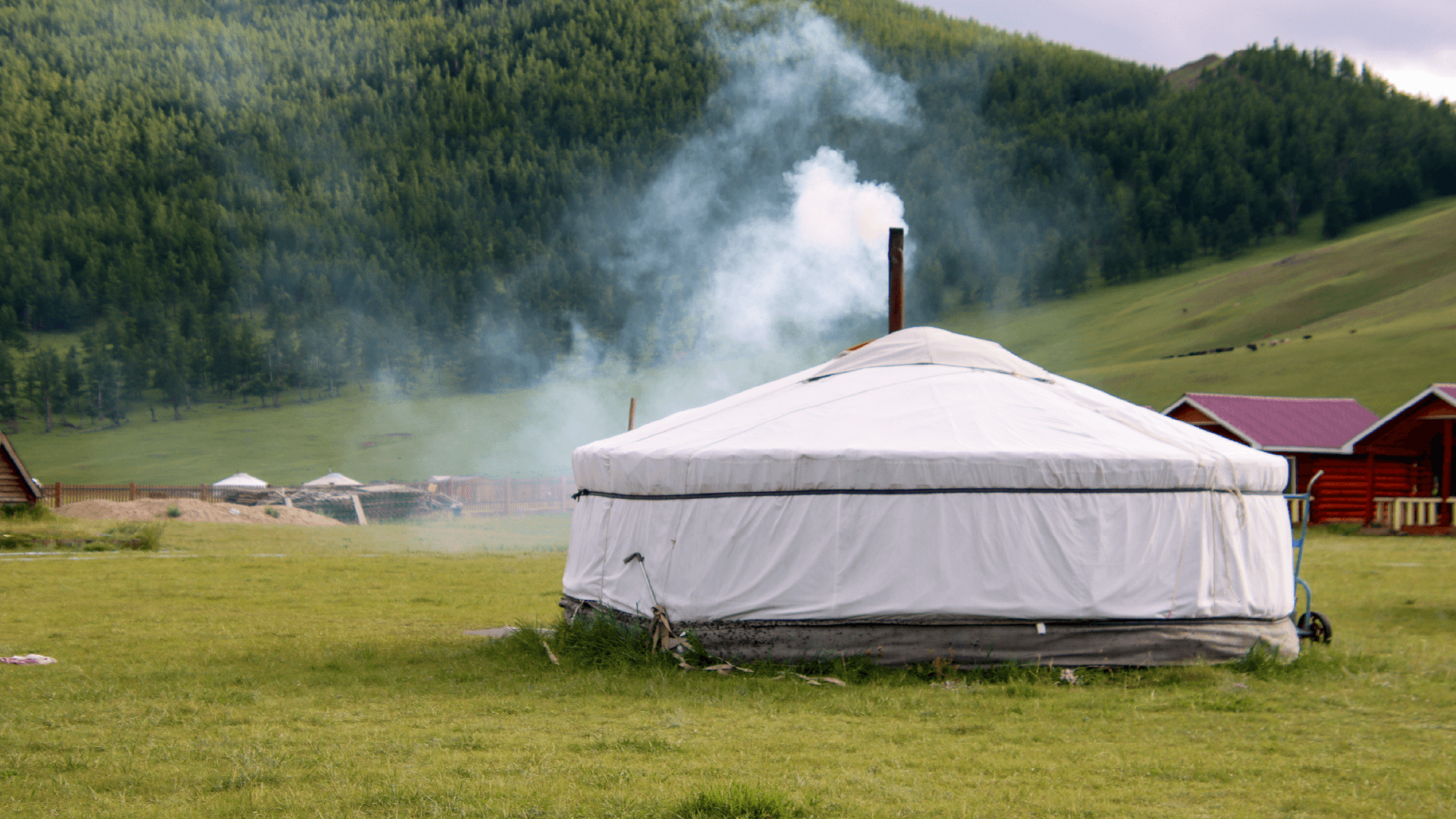
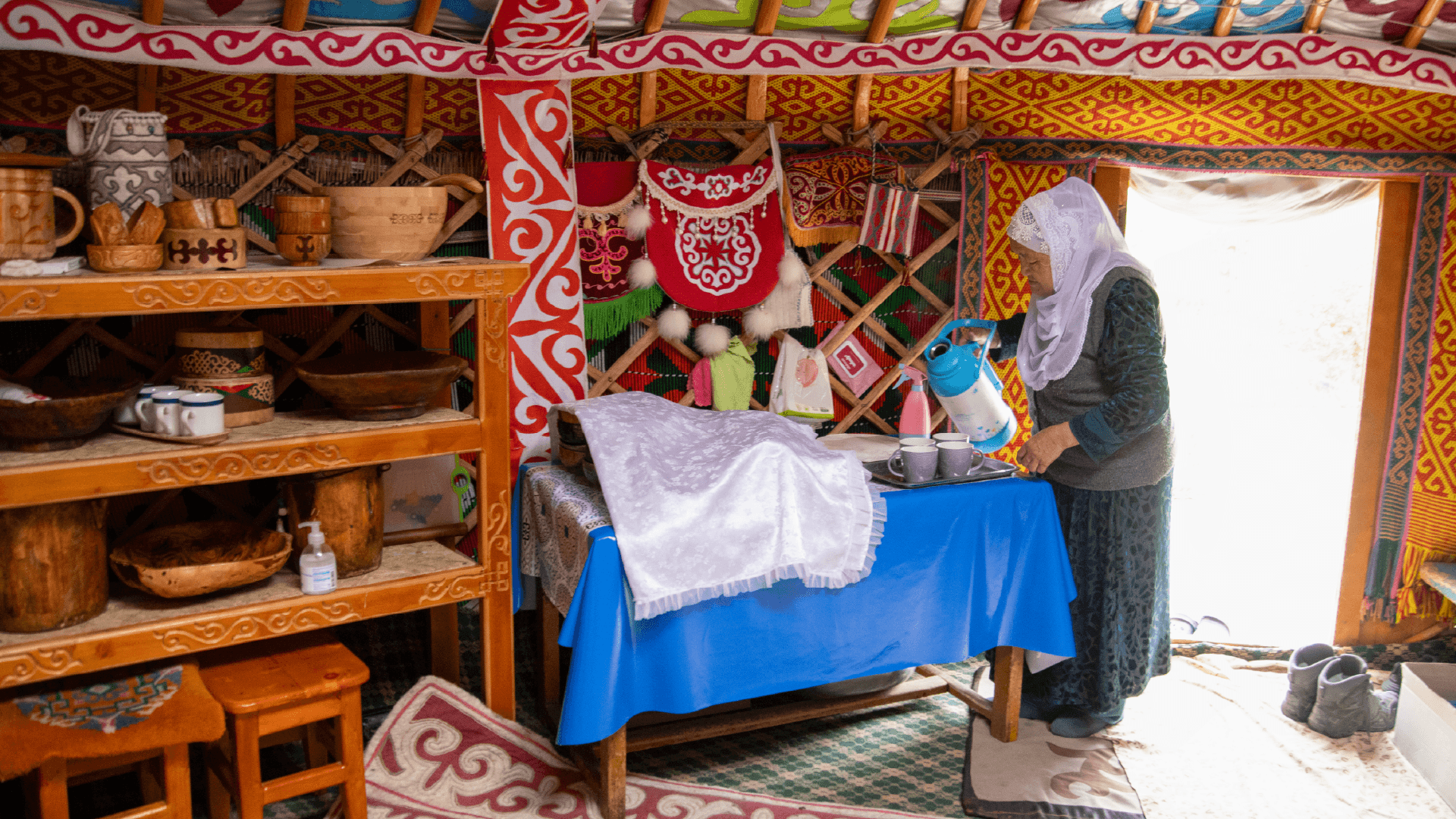
- People don't knock at the door of a Yurt. Instead, they shout loudly "Nokhoi khor!" This translates literally to "hold the dogs!", but in reality just means "can I come in?"
Celebrations & Public Holidays
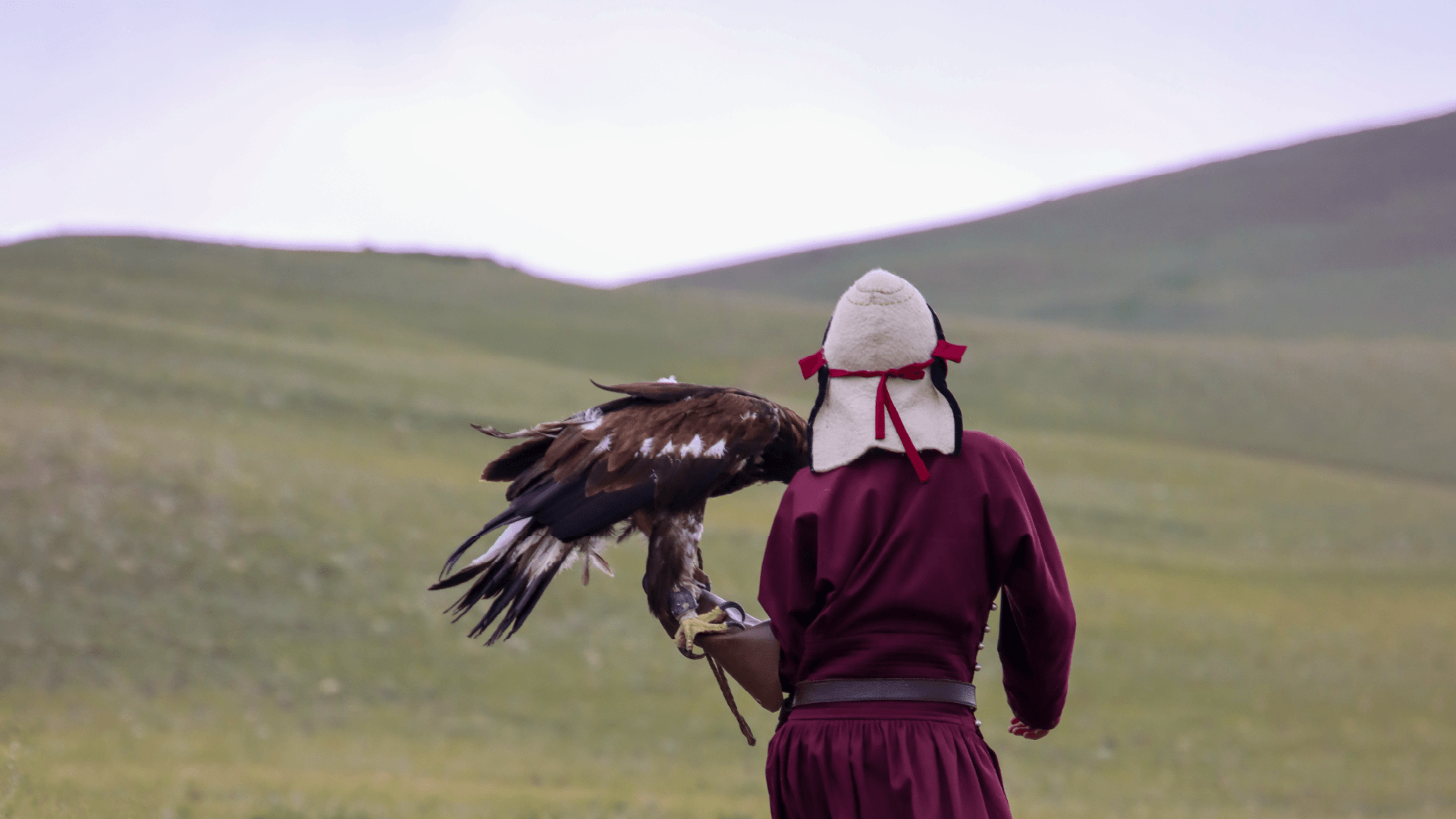
Mongolia has a rich calendar of celebrations, many of which reflect the country’s nomadic traditions and Buddhist heritage. The biggest celebration is Naadam, held each July and centred around the traditional “three manly games” of wrestling, horse racing and archery. Mongolia’s Tsagaan Sar, or Lunar New Year, is another important celebration, usually held in January or February, when families come together to share traditional food, exchange gifts and welcome the new year. Other popular events include the Golden Eagle Festival in October, which celebrates the traditions of Mongolia’s Kazakh eagle hunters.
Other national public holidays to be aware of include:
- New Year’s Day (January 1)
- Tsagaan Sar – Lunar New Year (January/February)
- International Women’s Day (March 8)
- Children’s Day (June 1)
- Naadam Festival / National Day (July 11–13)
- Genghis Khan’s Birthday (October/November)
- Republic Day (November 26)
- Independence Day (December 29)
Dates vary each year according to the lunar calendar.
Asia Destinations
Bhutan
Welcome to Bhutan — the last Himalayan kingdom where happiness is a national policy! Think dramatic cliffside monasteries, prayer flags fluttering in mountain winds, and dragons on every flag.
Cambodia
Visit the temples & ruins of Angkor Wat, cruise along Tonlé Sap, experience a monk's blessing at an ancient pagoda & wander through Siem Reap.
India
India is a country with a rich culture, fascinating history, and many varied landscapes – from the Himalayan mountains to tropical rainforests, sandy beaches and everything in between!
Japan
Sample sake, cruise the Matsushima Bay, wander through Hirosaki Castle & learn the traditional art of Japanese rice paper making.
Kazakhstan
Discover pristine architecture in Almaty, immerse yourself in surreal scenery at Kok-Tobe mountain range, & enjoy a day trip to the Medeu Ice Skating Complex.
Kyrgyzstan
Stroll Ala Too Square to witness the Guard of Honor ceremony, travel to the seventh deepest lake in the world, Issyk-Kul Lake & visit the unforgettable Karakol Sunday Animal Market.
South Korea
Explore Seoul, visit the Bulguksa Temple in Busan, step back in time during a tour of the Jeonju Hanok Village and see the DMZ separating North & South Korea.
Sri Lanka
Visit the Negombo fish markets, navigate the hustle & bustle of Colombo’s streets, see the medieval capital of Polonnaruwa and cruise along the Negombo Lagoon.
Bunnik Reviews