Overview
South Korea had long been near the top of my travel wish list, ever since I discovered K-pop and K-dramas. So, the opportunity to visit in March 2026 filled me with excitement at the chance to explore the culture that gave rise to these global phenomena. I was equally eager to deepen my understanding of the traditions, cuisine, and history that have shaped South Korea into what it is today. Traveling through its diverse regions and cities, connecting with people, and witnessing the unique influences that define this country was truly inspiring.
Seoul
Our first taste of Seoul was a drive through high rise neighbourhoods reflecting both modern architecture and local character before settling into our hotel in the bustling district of Myeong-dong. By day, it was a shopping paradise pulsing with cosmetics and K-beauty demos, major stores and side streets which offered those quirky souvenirs. By night, the streets became alive with food cart vendors.
 - Heather Stewart - 20260305_072842155_iOS.jpg)
One of our favourite special experiences in the heart of Myeong-dong was the Nanta theatre and the delightful Nanta Performance. Language is not a barrier here as this artform is filled with high energy, infectious rhythms and non-verbal humour making it an easy watch experience for everyone — just watch out as you may just end up as part of the show!
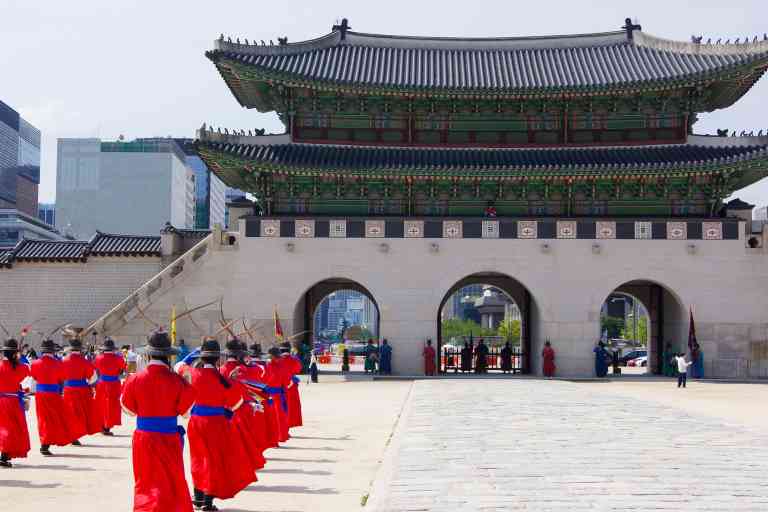
If you love pomp and pageantry that brings to life royal history, the visit to Gyeongbokgung Palace is like travelling back in time! By witnessing its changing of the Guard ceremony in all its colourful glory and wandering the beautifully restored grounds, its easy to see why this is one of Seoul’s most treasured landmarks.
 - Heather Stewart - 20260306_010219472_iOS.jpg)
 - Heather Stewart - 20260306_005952054_iOS.jpg)
 - Heather Stewart - 20260306_010555705_iOS.jpg)
For panoramic views across Seoul, we headed up Mt. Namsan to the iconic N Seoul Tower. It's the perfect spot to browse for souvenirs, grab an ice cream and soak up the incredible skyline while watching locals and visitors alike enjoy this much-loved site.
 - Heather Stewart - 20260306_050930584_iOS.jpg)
 - Heather Stewart - 20260306_051351375_iOS.jpg)
 - Heather Stewart - 20260306_052032722_iOS.jpg)
Suwon
Just a short drive from Seoul, Suwon is home to the Hwaseong Fortress, an imposing UNESCO World Heritage-listed site dating back to the Joseon Dynasty.
We were free to wander the grounds, climb to the watchtowers and walk through the imposing gates. To really channel our inner Joseon warrior, we also tried our hand at the traditional sport of archery, guided by an instructor with techniques to ensure we hit the targets (or at least got close to them!)
.jpg)
 - Renae Rowe (1).jpg)
Jeonju
Visiting Jeonju, the culinary heart of South Korea, deepened my appreciation of Korea’s food culture. One of the highlights was rolling up our sleeves for a hands-on kimchi-making class, where we donned aprons and prepared cabbage with a richly seasoned paste made from ingredients like gochugaru (chilli powder). Our instructor explained the vital role of fermentation in Korean cuisine, transforming a staple dish into a meaningful cultural tradition.
 by Heather Stewart1.jpg)
Jeonju is also famed for its expansive Hanok Village, home to more than 700 traditional houses. With time set aside to explore at our own pace, we wandered along cobbled streets, watched visitors dressed in elegant hanbok, browsed the work of local artisans, and sampled a variety of regional treats.
 - Heather Stewart - 20260304_081707415_iOS.jpg)
 - Heather Stewart - 20260304_082340311_iOS.jpg)
 - Heather Stewart - 20260304_092747382_iOS.jpg)
Gwangju
At the Gwangju Traditional Cultural Centre, we were welcomed by passionate local volunteers who taught us a traditional drumming performance, complete with a traditional greeting song. We also had the chance to dress in the colourful hanbok, South Korea's traditional attire, while learning local customs and etiquette.


At our Korean BBQ dinner, the server expertly grills Korean beef, highlighting how simple ingredients like beef wrapped in lettuce with onion and gochujang, can create remarkable flavours.
We also visited Mt. Maisan and Tapsa Temple, a unique complex with over 80 stone pagodas offers! After a scenic walk through a mountain valley dotted with unique art installations, it was time to relax at a traditional Korean spa. Here, you can unwind with a swim, enjoy a sauna, or indulge in a well-earned soak.
Busan
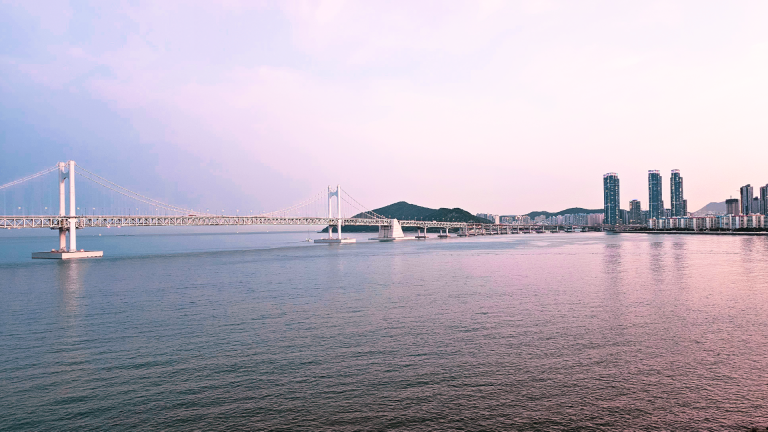
Busan may be South Korea's second largest city, but it still holds onto the charm of its fishing village roots. Our hotel was just a short stroll from Haeundae Beach, making it easy to wander the seaside promenade, browse the lively shops along Gunam-ro and explore the traditional Haeundae Market, where fresh seafood and street food abound.
 - Heather Stewart - 20260301_011724319_iOS.jpg)
Gyeongju
If history is your thing and you enjoy exploring lesser-known historical periods, then you’ll love Gyeongju. This city brings to life the Silla Kingdom through various open-air sights. We wandered through the Daereungwon Tomb Complex, finding displays of relics and royal tombs hidden by grassy burial mounds. We then strolled through the peaceful Donggung Palace and Wolji Pond, once a place used to celebrate royal festivals and entertain visitors.
 - Heather Stewart - 20260302_071739424_iOS.jpg)
 - Heather Stewart - 20260302_075308480_iOS.jpg)
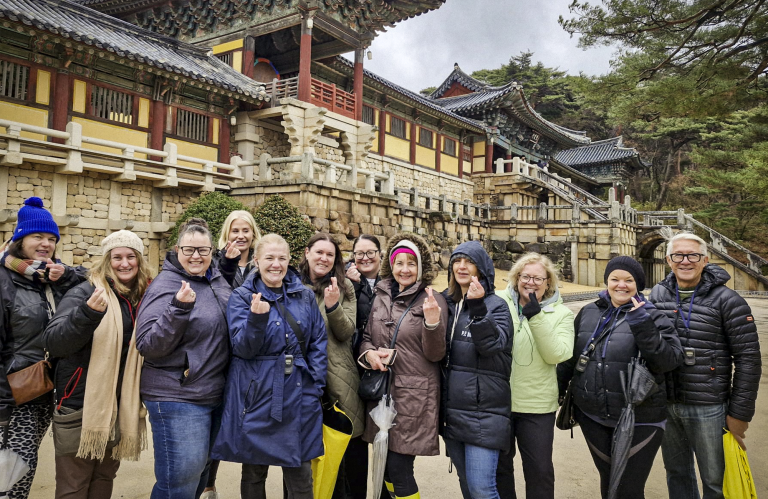
The journey continued to the twin sites of Seokguram Grotto and Bulguksa Temple, both cultural treasures that remain in use as places of worship. The walk to the grotto takes you along a path that allows scenic views of the mountains and wooded valleys with the reward being able to gaze upon the masterpiece of Buddhist art. Meanwhile, the Bulguksa Temple complex contains various pagodas, buildings, terraces and ponds that are designated as National Treasures and form the spiritual heart of the people.
 - Heather Stewart - 20260302_020815077_iOS1.jpg)
 - Heather Stewart - 20260302_032521571_iOS1.jpg)
South Korea with Bunnik Tours
The journey strikes the perfect balance between iconic UNESCO World Heritage sites, colourful cultural performances, vibrant markets and authentic local encounters. Long after returning home, it's the palace parades, welcoming people and, of course, the cravings for kimchi and Korean BBQ that stay with you. Ready to experience it for yourself? Discover our South Korea in Depth tour today.
We're proud to partner with Korea Tourism Organization (KTO) to showcase the very best of South Korea.