
Wedged between Russia and China, Mongolia is a land of extraordinary contrasts. The Gobi Desert stretches across the south, green valley’s sweep through the country’s heart, and wild horses roam freely across the open steppe. Add a fascinating history and a thriving nomadic culture, and it’s easy to see why Mongolia is the perfect destination for travellers seeking something truly unique.
Overview
- Explore Mongolia's Spectacular Landscapes
- Experience Monoglia's Nomadic Culture
- Discover Mongolia's Fascinating History
- Taste Traditional Mongolian Food
- What Makes Travelling to Mongolia Unique?
- Discover Mongolia with Bunnik Tours
Explore Mongolia’s Spectacular Landscapes
Gobi Desert
Stretching across southern Mongolia and northern China, the Gobi Desert is a vast landscape of rocky plains, sand dunes and dramatic mountain formations. Forget the idea of a desert made entirely of sand, this region is home to a surprising variety of terrain, wildlife and geological wonders.
One of the deserts most striking landmarks is the Flaming Cliffs, where layers of red and orange sandstone glow in the light. Beyond their dramatic appearance, these cliffs are also internationally renowned for the discovery of dinosaur fossils, including some of the earliest scientifically recognised dinosaur eggs.
For a change of scenery, venture into Yol Valley in the Gurvan Saikhan Mountains. This narrow gorge offers a dramatic contrast to the surrounding desert. With towering rocky walls, it is a beautiful place to explore the Gobi’s rugged natural environment.
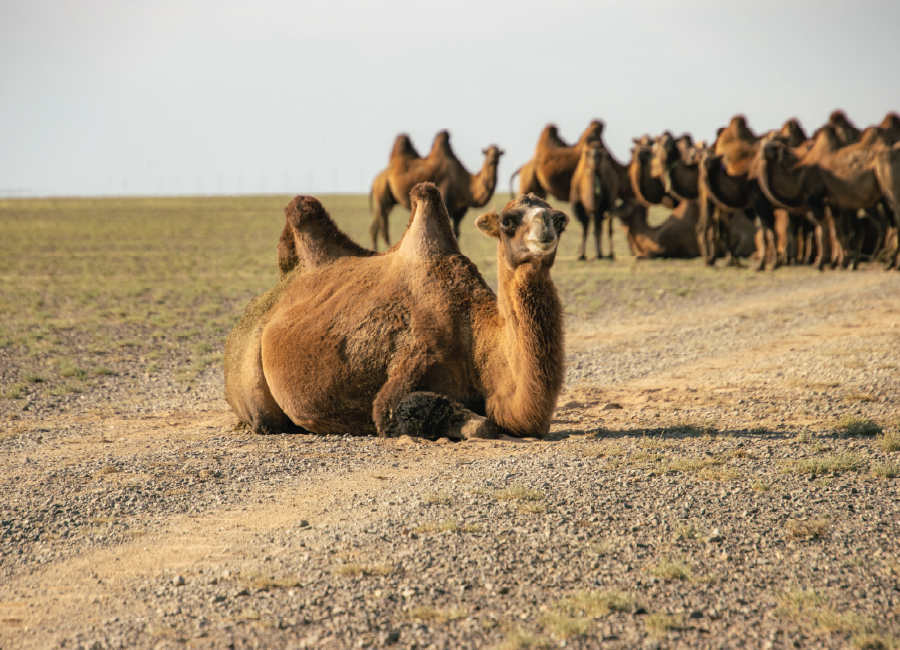
Photo credit: Annelieke Huijgens
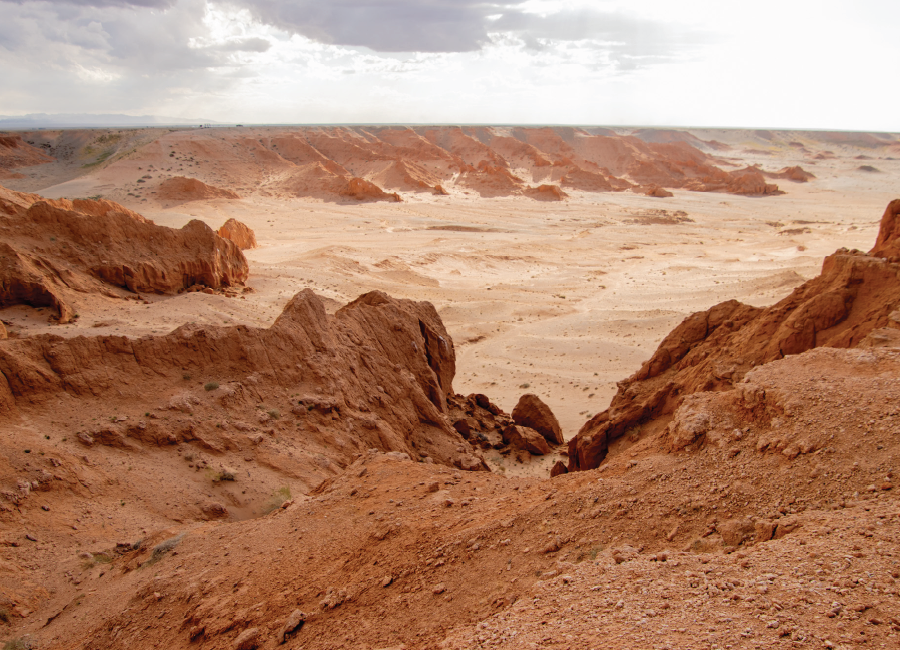
Photo credit: Annelieke Huijgens
Orkhon Valley
The Orkhon Valley offers a softer side of Mongolia, where rolling green grasslands, winding rivers and grazing livestock stretch towards distant mountains, while traditional gers dot the open countryside. The region is home to the impressive Orkhon Waterfall, where water cascades through a rugged river valley surrounded by expansive plains.
Recognised as a UNESCO World Heritage-listed cultural landscape, the valley has been a centre of nomadic life, with ancient archaeological sites and Buddhist monasteries offering glimpses into Mongolia’s past.
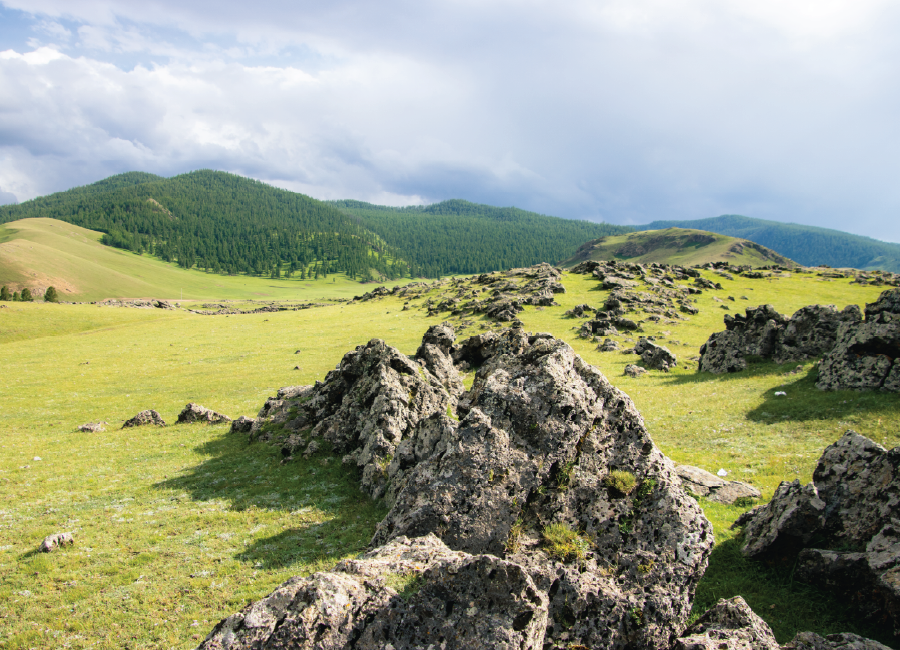
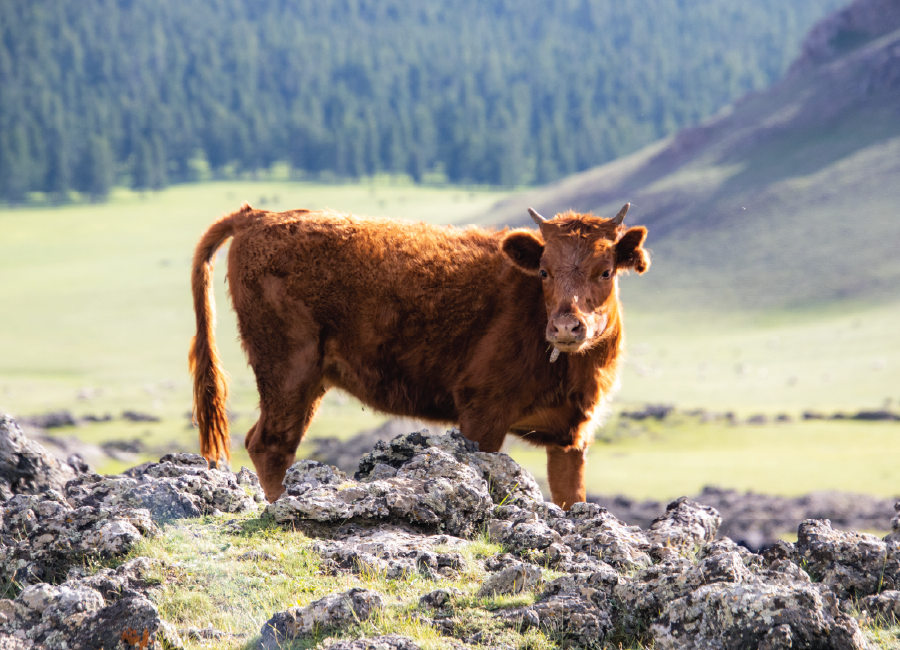
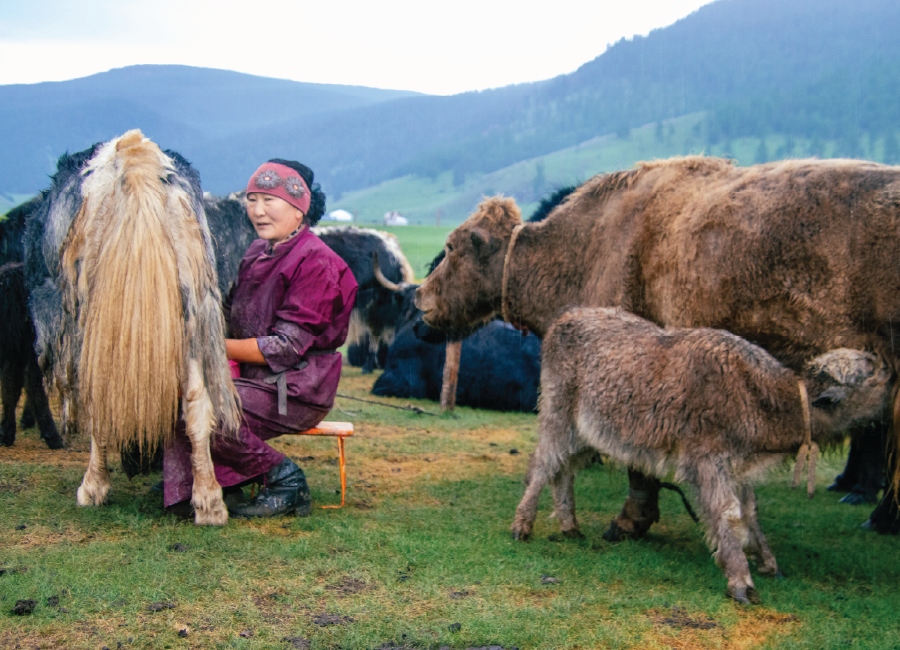
Photo credits: Annelieke Huijgens
Khustai National Park
For a glimpse into Mongolia’s wild heart, Khustai National Park is home to one of the country’s most remarkable conservation success stories: the Przewalski’s horse, known locally as the takhi.
Once extinct in the wild, these rare horses have been successfully reintroduced to their native homeland through dedicated conservation efforts. Today, they roam freely across the park’s grasslands and hills, offering visitors the chance to observe a species that holds an important place in Mongolia’s natural heritage.
Beyond its iconic horses, Khustai’s rolling steppe and open horizons showcase the beauty of Mongolia’s wilderness and the importance of protecting its unique wildlife.
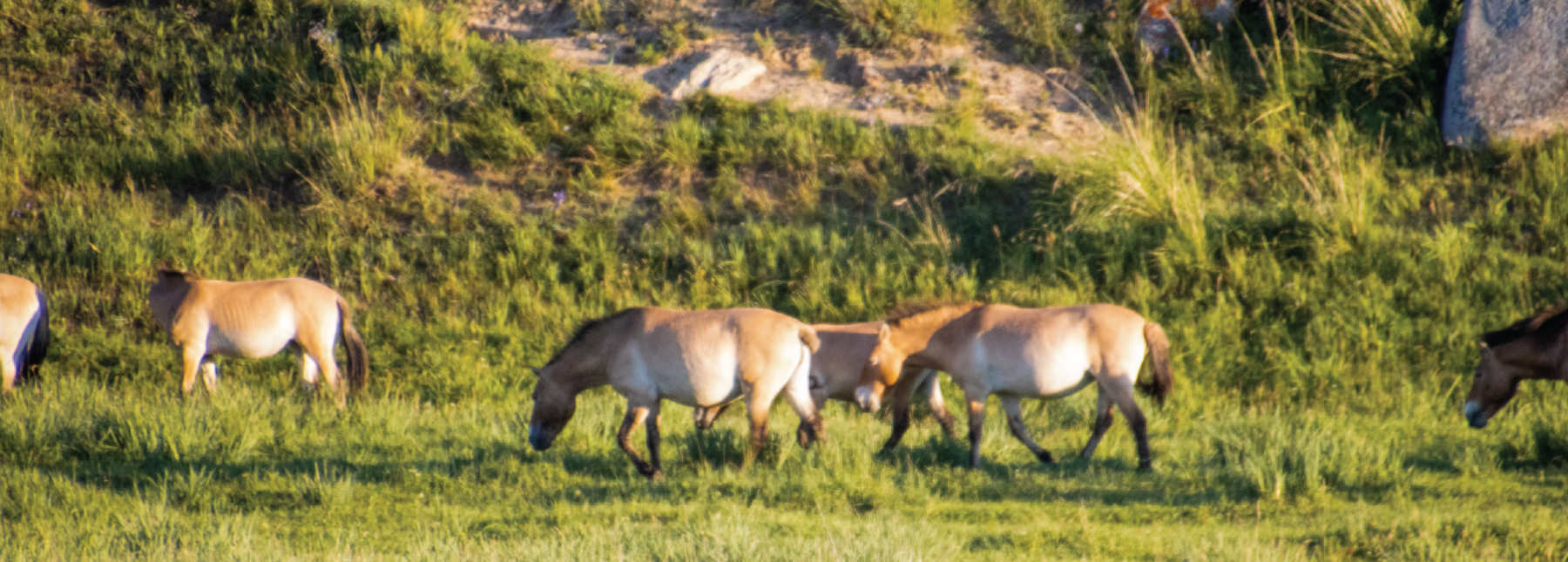
Photo credit: Annelieke Huijgens
Experience Mongolia's Nomadic Culture
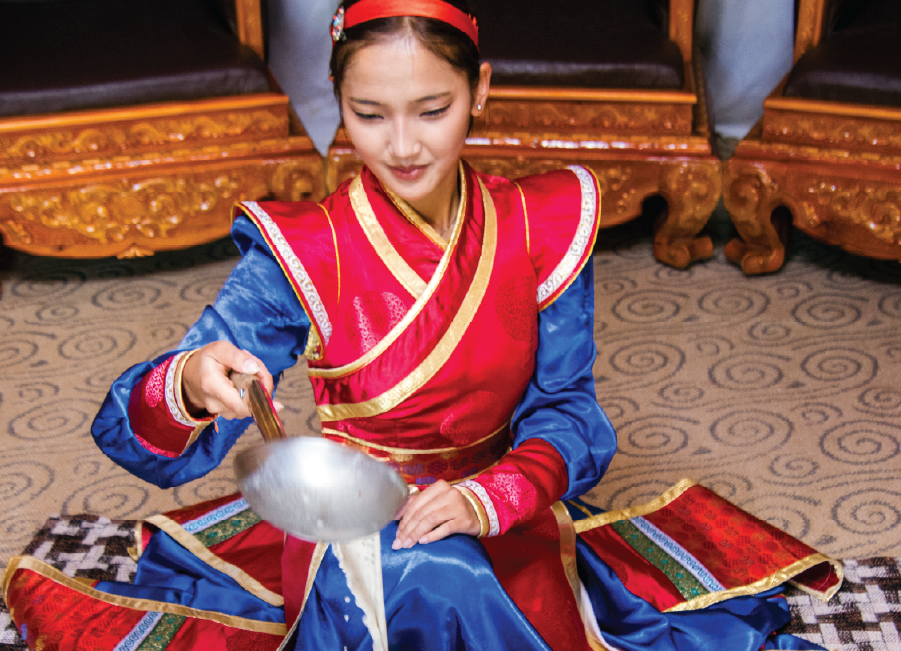
In Mongolia, the landscape has shaped how people live for generations. Nomadic herding remains central to the country’s cultural identity, with families moving seasonally across the steppe to find grazing land for their livestock, including horses, sheep, goats, cattle and yaks.
Traditional gers are another defining feature of Mongolian life. These portable, round dwellings can be assembled and dismantled as families move between pastures, reflecting a lifestyle closely connected to the land. Hospitality is equally important, with offering food and drink to visitors a longstanding tradition.
While rural communities continue to maintain many of these customs, modern lifestyles are increasingly common, particularly in Ulaanbaatar, Mongolia’s capital. This contrast between traditional nomadic practices and contemporary urban life offers a fascinating insight into a country where centuries-old traditions remain an important part of its identity.
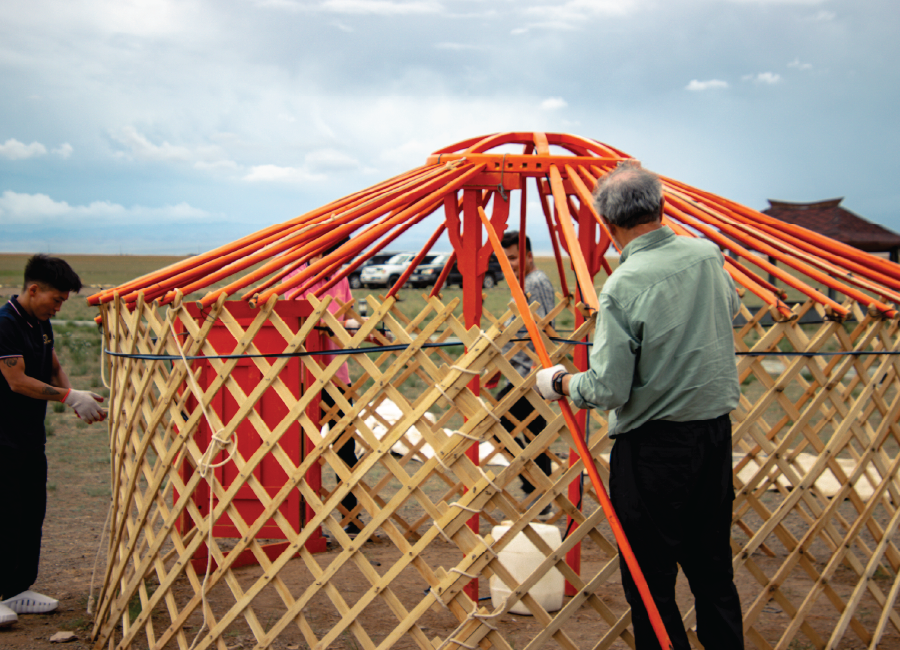
Photo credit: Annelieke Huijgens
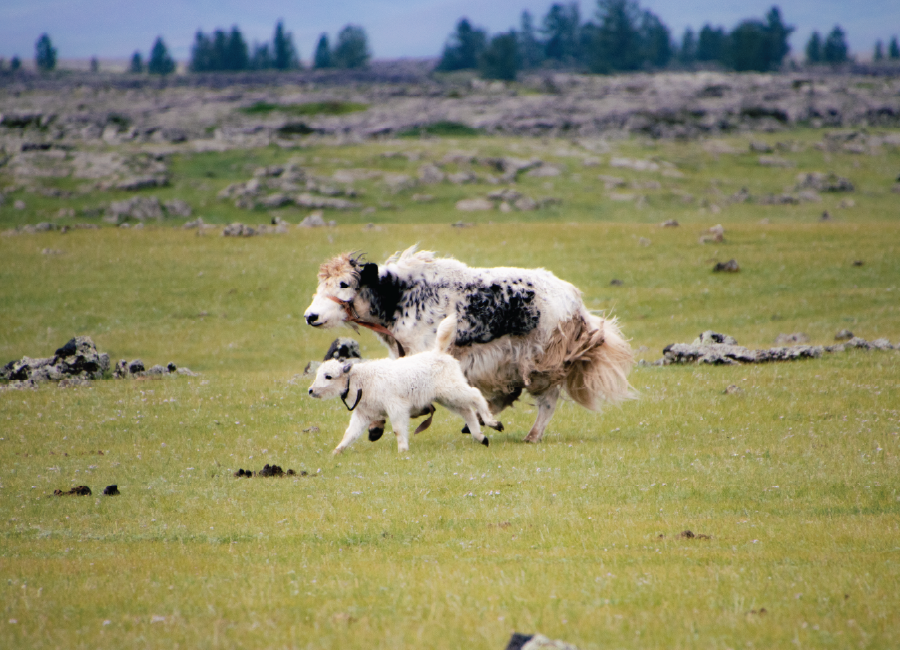
Photo credit: Annelieke Huijgens
Discover Mongolia’s Fascinating History
Mongolia’s history is closely associated with one of the most influential figures in world history, Genghis Khan, who united the fragmented Mongol tribes in 1206 and laid the foundations for one of the largest contiguous land empires. Through military campaigns and strategic alliances, the Mongol Empire expanded across Asia and Europe, connecting distant regions through trade routes that facilitated the exchange of goods and knowledge.
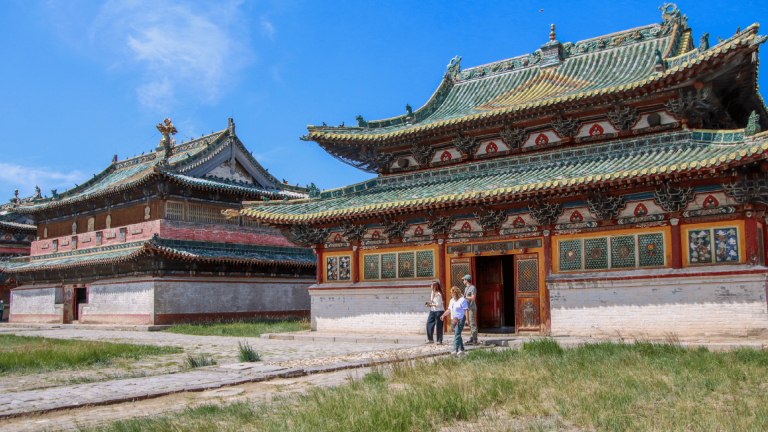
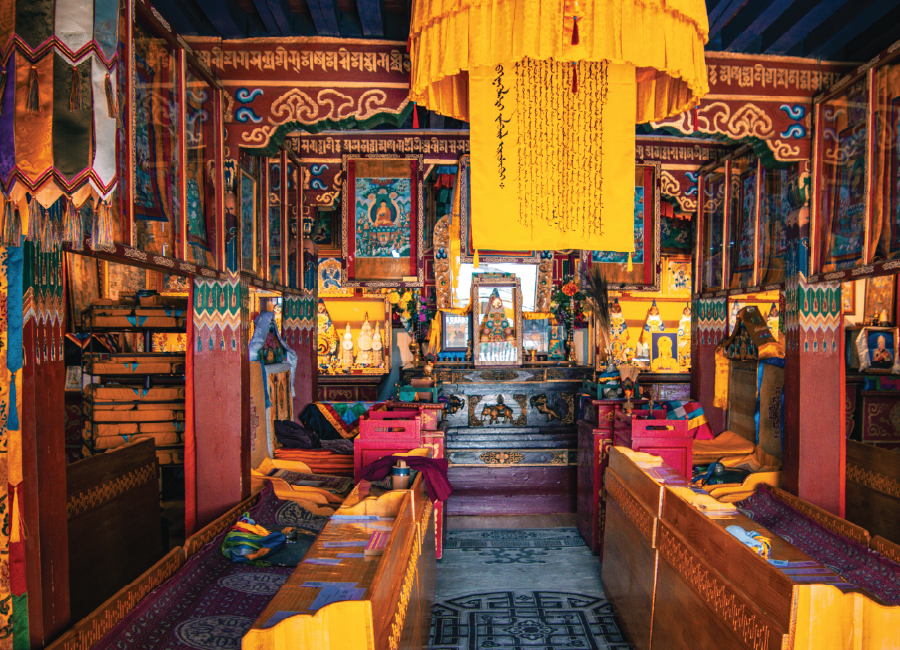
The country’s historical legacy extends beyond its famous leader. Karakorum, the former capital of the Mongol Empire, was once an important political and cultural centre, while nearby the Erdene Zuu Monastery reflects the influence of Buddhism on Mongolia’s spiritual heritage. In Ulaanbaatar, reminders of history sit alongside modern architecture and contemporary city life, reflecting the relationship between Mongolia’s rich heritage and its evolving identity.
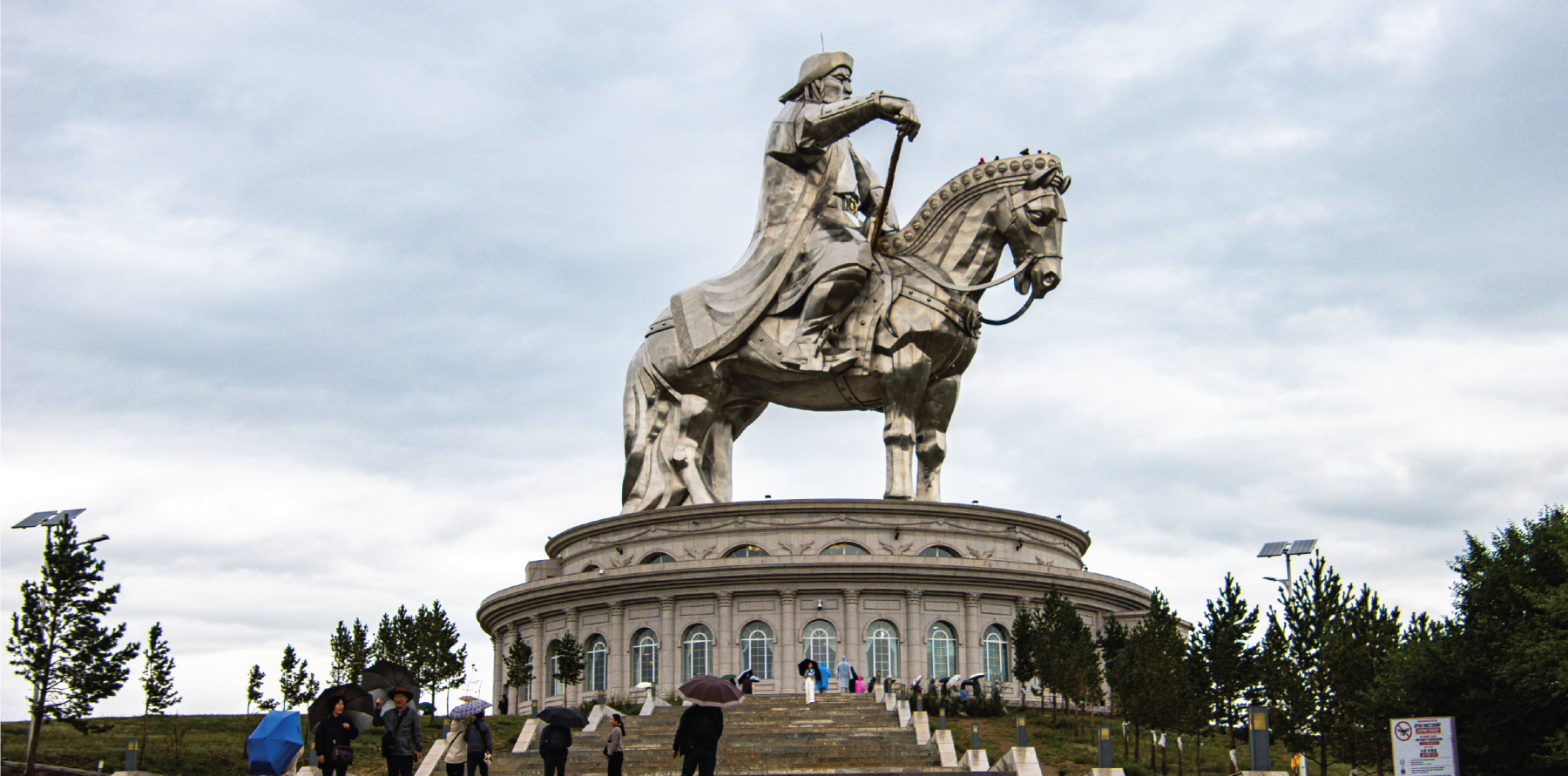
Photo credit: Annelieke Huijgens
Taste Traditional Mongolian Food
Mongolian cuisine reflects the country’s climate and nomadic traditions, with hearty meat and dairy dishes forming the basis of many meals. Mutton and beef are common ingredients, while dairy products remain an important part of local diets.
Popular dishes include buuz, steamed meat dumplings, and khuushuur, a fried pastry filled with meat. Traditional drinks such as suutei tsai, a savoury milk tea, and airag, fermented mare’s milk, also reflect the country’s pastoral heritage.
While traditional foods remain popular, Ulaanbaatar’s dining scene has expanded to include international cuisines and modern restaurants, offering a mix of traditional flavours and contemporary influences.
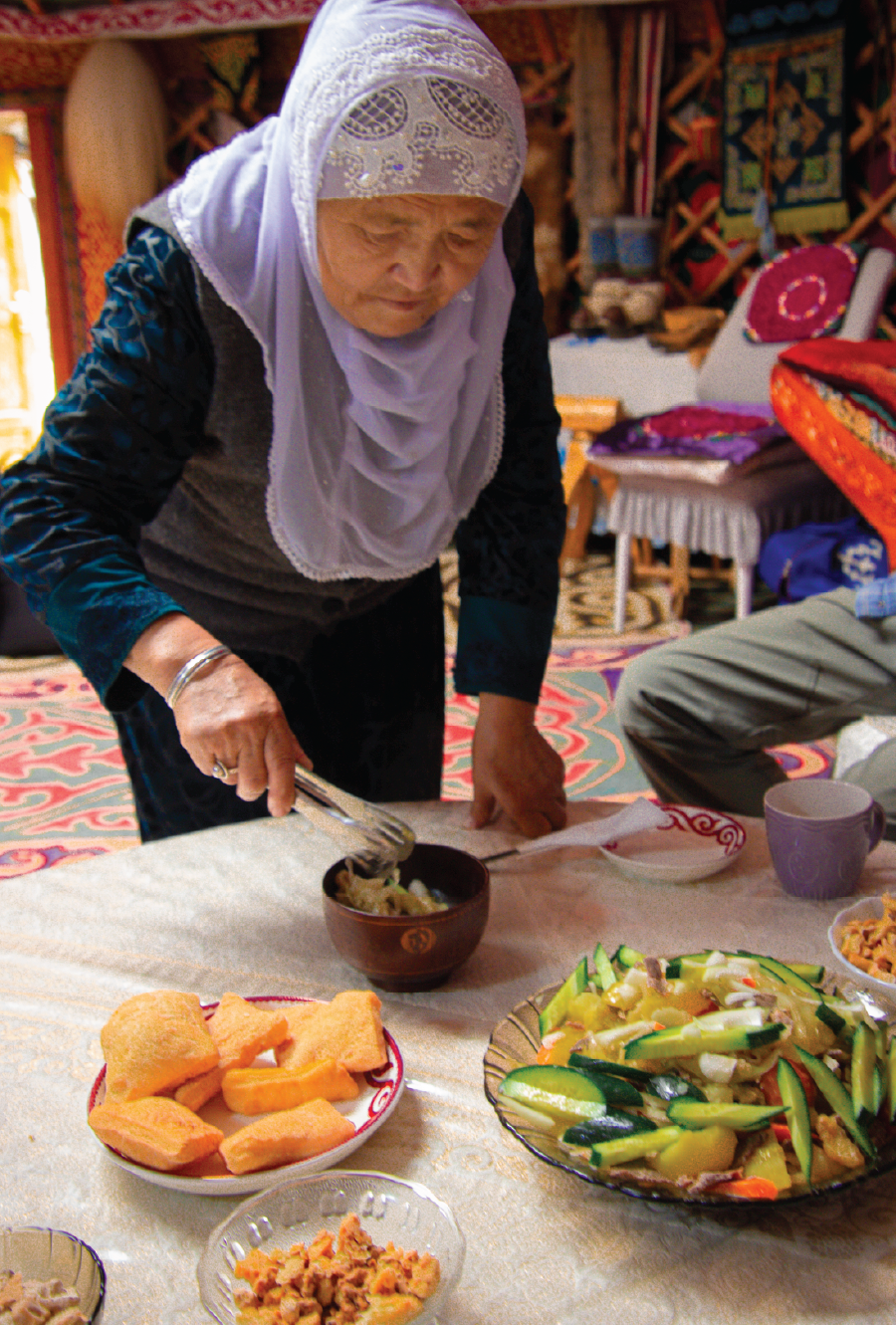
Photo credit: Annelieke Huijgens
What makes travelling to Mongolia unique?
Mongolia offers a unique travel experience, defined by vast open landscapes, remote communities and a strong connection to traditional ways of life. Beyond the capital, long stretches of grassland and desert are dotted with grazing animals, distant mountains and traditional gers, creating a sense of space rarely found elsewhere.
The seasons also shape the experience. Summer brings warmer temperatures and greener grasslands, while winters can be extremely cold across the open steppe. Late spring to early autumn is generally the most suitable time to explore many of the country’s major regions.
With its striking scenery, fascinating history and enduring nomadic traditions, Mongolia offers a rewarding opportunity to discover a less familiar side of Asia.
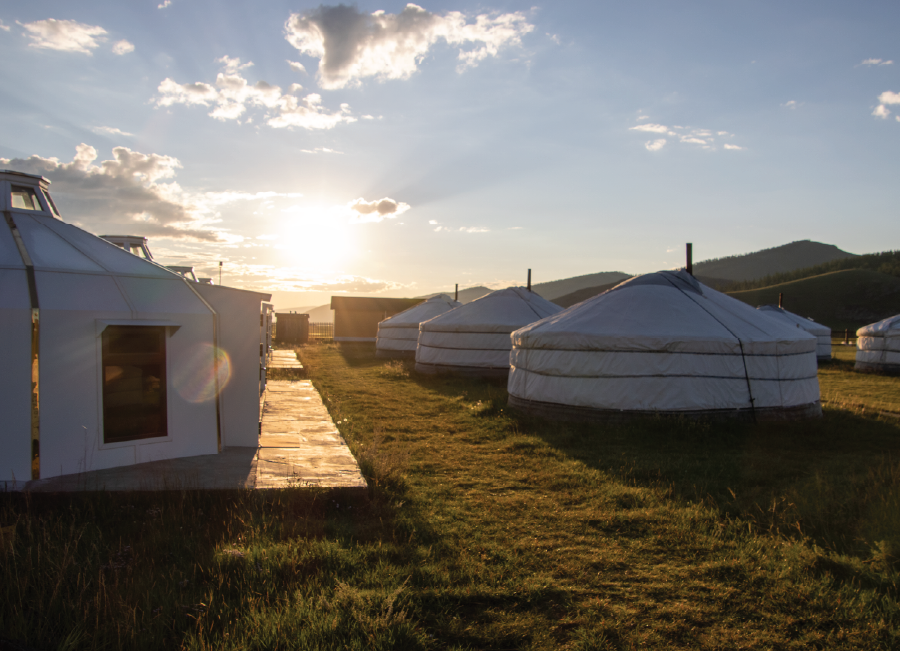
Photo credit: Annelieke Huijgens
Discover Mongolia with Bunnik Tours
From the striking red cliffs of the Gobi Desert to the green pastures of the Orkhon Valley, Mongolia is a destination of remarkable contrasts. Its sweeping landscapes, nomadic heritage and fascinating history offer a unique perspective on a country where tradition and modern life continue to evolve side by side.
Discover more about this extraordinary destination on Bunnik Tour’s Mongolian Explorer tour and learn about the landscapes, culture and history that make Mongolia such a distinctive part of the world.