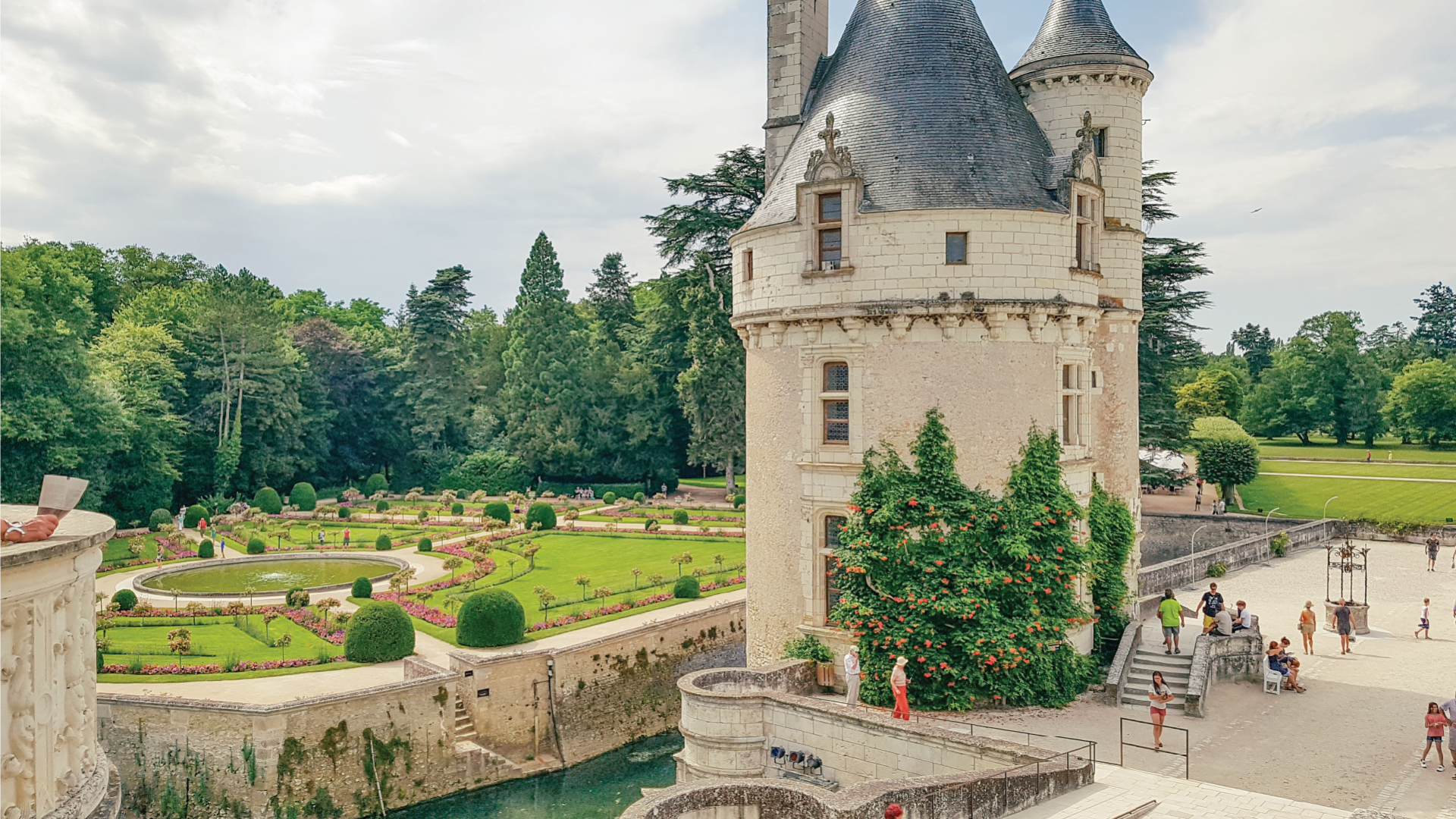
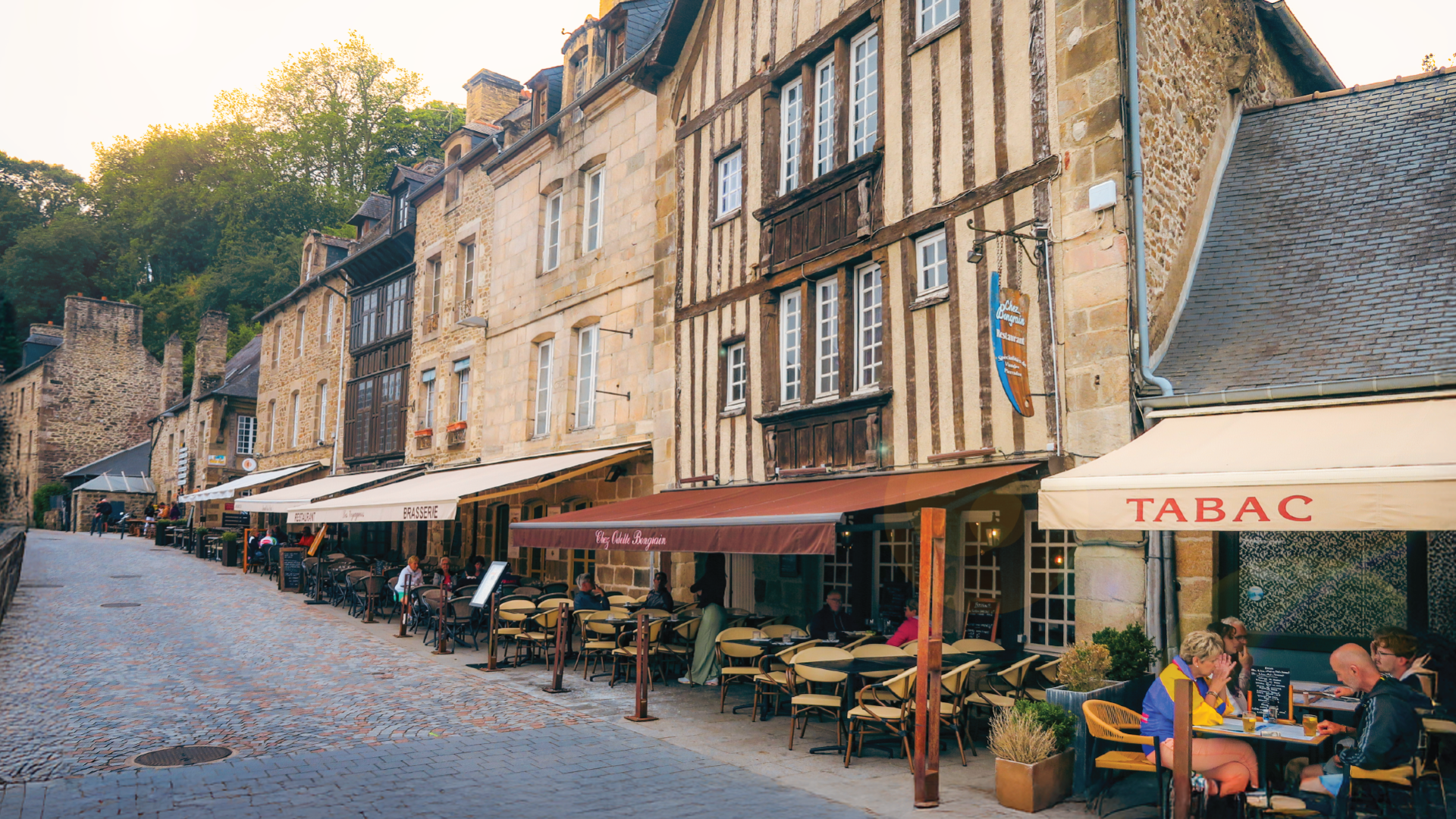
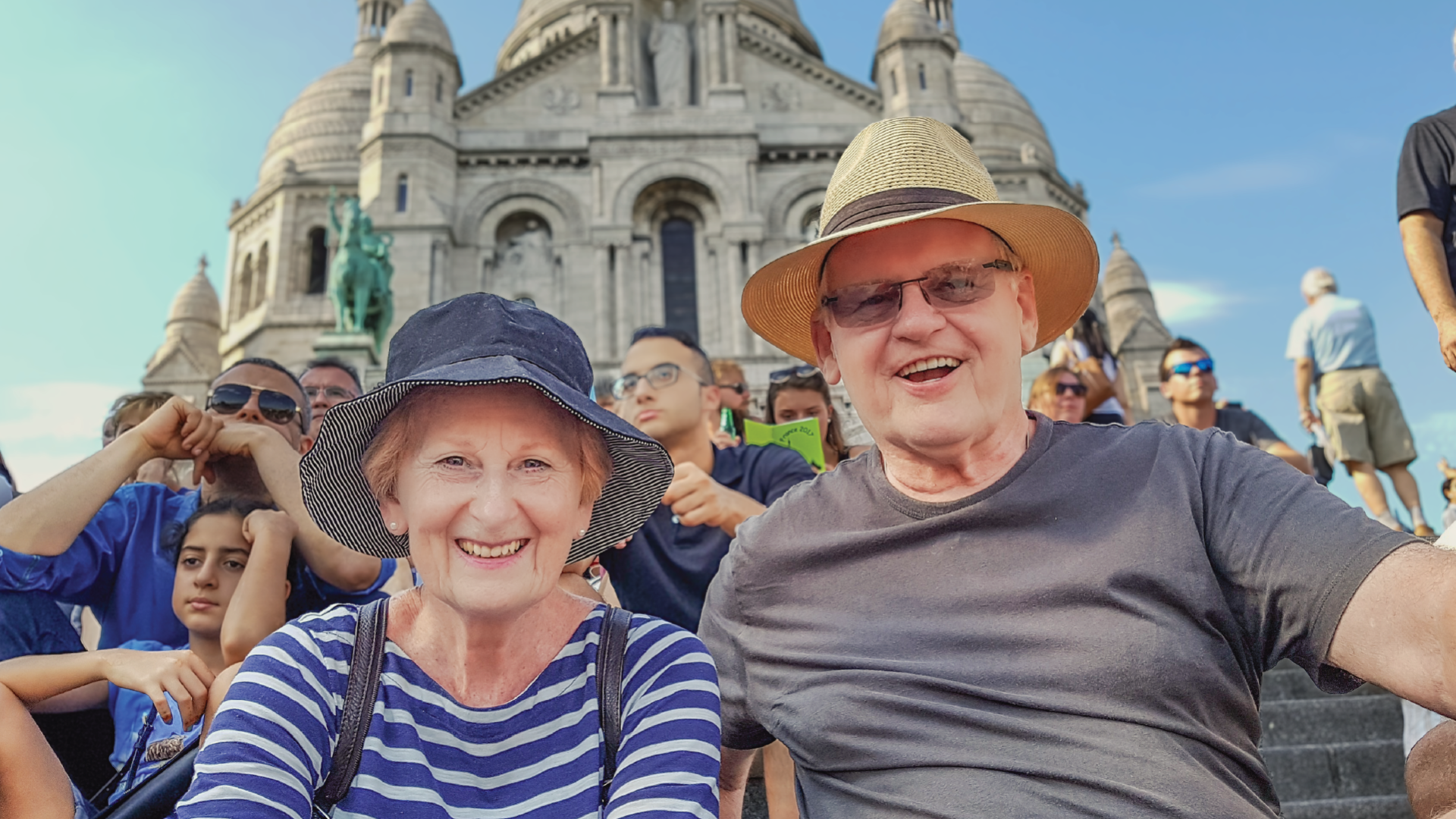
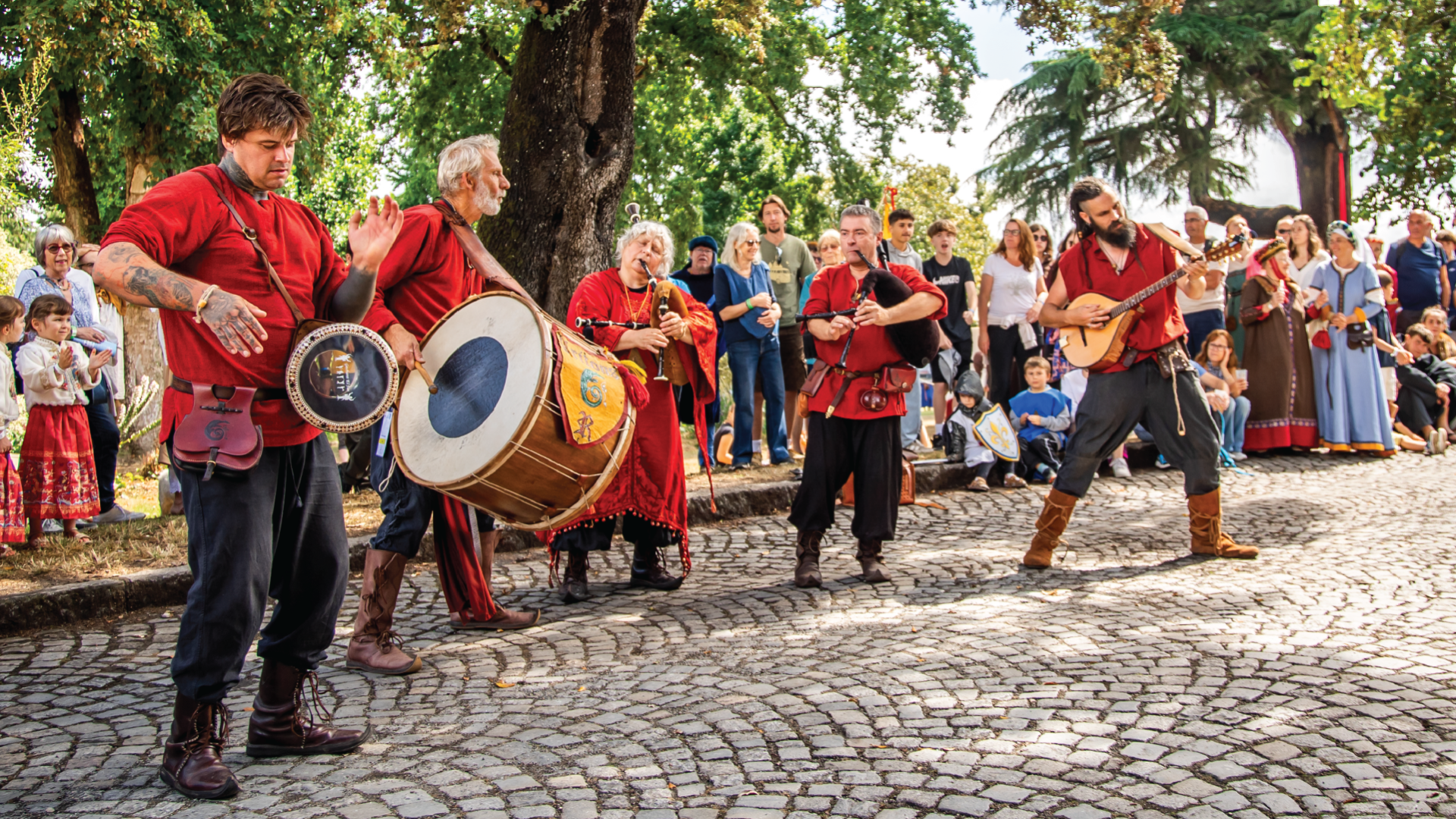
Welcome to France, where delicious baguettes are baked longer than your arm and every corner feels like a scene from a movie – whether you’re sipping café au lait in Paris while gazing at the Eiffel Tower or exploring sun-drenched vineyards in the Loire Valley, every moment in France makes you want to linger. Dive into the fascinating and unique French culture, where art, history and fashion are as much a part of the air as the scents of coffee and croissants. Discover, and taste, everything French on a Bunnik Tours holiday – book one of our small group tours online today or get in contact with one of our friendly travel specialists.

Small Group Tours

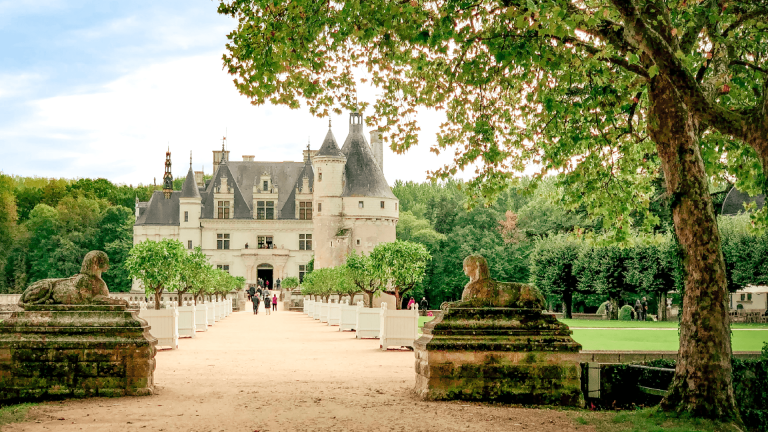
Best of Northern France 2027

From the fairy-tale châteaux of the Loire Valley to the island fortress of Mont Saint-Michel, it’s time to experience northern France at its finest.

Days 10
From (Per person / Twin share) $7,395

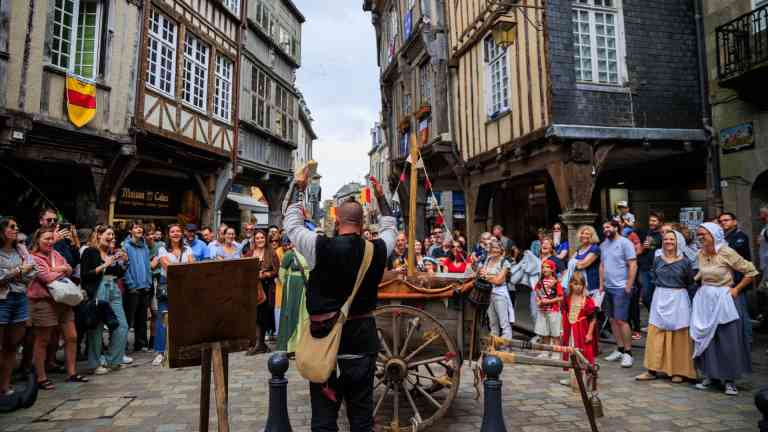
Best of Northern France - Ramparts Festival 2027

From the fairy-tale châteaux of the Loire Valley to the island fortress of Mont Saint-Michel, it’s time to experience northern France at its finest.

Days 10
From (Per person / Twin share) $7,895

France Facts & Tips

Capital
Capital — Paris
Population
Population — 68.5 million
Language
Language — French
Religion
Religion — Secular state, Roman Catholic heritage
Time Zone
Time Zone — 8 hours behind AEST (depending on daylight savings)
Currency
Currency — Euro
  • Like most countries in Europe, France has a very rich history. You can find evidence from the Neanderthals and Roman remains, however probably the most famous historical period would be during the reign of the Sun King – Louis XIV (1643-1715) who involved France in a rash of wars that gained the country territory and terrified its neighbours. He is most famous for his extravagance, elegance and gaiety – think powdered wigs, beauty spots and frills!
  • Wine has been produced in France since the 6th century BC.
  • Frenchman, Gabriel Mouton is believed to have invented the metric system, the decimalised way of counting and weighing.
  • French cuisine was awarded UNESCO’s Intangible Cultural Heritage  Status in 2010.
  • The world’s greatest cycle race, the Tour de France, has been around for more than 120 years, with the first race held in 1903.
  • Liberty, Equality and Fraternity is the official motto of the French Republic.

Australian passport holders travelling to France do not need a visa at this time.

We require that your passport is valid for travel for at least six months from the date you are planning to return to Australia. Your passport must be valid to travel internationally and must be machine-readable. You also need to carry a valid return ticket on you.

Whether travelling on an Australian passport or the passport of another country, all travellers require visas for a number of countries, and it is your responsibility to secure what may be required before departing Australia. You can consult with your travel agent, but it is also recommended that you check the foreign embassy website for your respective destination as it can also provide you with useful information.

The Australian Embassy in France:

4 Rue Jean Rey
75015 Paris
Ph. +33 1 4059 3300
Fax. +33 1 4059 3315

The official currency of France is the Euro. Notes come in denominations of €200, 100, 50, 20, 10 and 5. The recommended currency to take to France is the Euro. Ensure you change a small amount into small denominations.

Advise your bank of your travel plans so that they can make a note of it, otherwise they may cancel your credit card as a safety measure due to the overseas transactions. Also make a note of the 24-hour emergency contact number of the bank or building society which issued your credit card in the unlikely event that your card is lost or stolen.

Whenever possible use ATMs when the banks are open (Mon – Fri) so that if a machine ‘eats’ your card you can then deal with it straight away. It is always advisable to carry a supply of cash in addition to your credit card.

If you don’t have Euros with you on arrival, we advise you to exchange some money into the local currency at the airport even if the exchange rate is not the best, this way you’ll have money to get a drink, snack or give a tip during those first few hours of arrival. Your guide will be able to advise you on the best places to exchange money.

Small change is also useful for paying for toilets while on tour which is customary in many places outside of Australia.

  • The price of a cappuccino in Paris is approximately €4.50
  • The price of an inexpensive lunch is approximately €15 - €20
  • The price of dinner in a moderate restaurant is approximately €35
  • The price of a beer in a local pub is approximately €7

The word “cuisine” is French in origin, and eating well is still of prime importance to most people in France. But don’t assume that dining out in France has to be a ceremonious occasion. French cuisine has long stood apart for its great use of a variety of foods - beef, lamb, pork, poultry, fish and shellfish, cereals, vegetables and legumes. Although nothing is more French than ‘pain’ (bread)! Bakeries sell light and crunchy baguettes, buttery croissants and there are many specialty artisan bakeries. Visit one of the many ‘fromage’ (cheese) shops, and select from a huge range of cheeses that are produced on farms, dairies, in mountain huts, monasteries and factories. Also “patés” and “rillettes” are considered charcuterie. South Western France is famous for its diverse cuisine. Eels, mussels and oysters are popular on the coast with salty lamb and goat’s cheese. The Basque country around the Spanish border is influenced by the spicier Spanish cuisine. Truffles and various wild mushrooms grow in the forests of the Aquitaine and are an expensive delicacy! But above all the area is famous for foie gras; a pâté made from enlarged goose or duck liver.


Important: When dining at buffets (i.e. breakfast) please refrain from taking food away with you to ‘save’ for later! If you feel that you’ll need snacks between meals, pack some dried fruit, nuts, muesli bars etc.


If you have specific food allergies and/or preferences, we highly recommend you take every precaution before your tour, including carrying a small card with your food allergy listed in each language of every country you are travelling to show to table staff when ordering. Whilst we take all dietary requirements seriously, due to the serious nature of potential allergic reactions, it is your responsibility to be as prepared as possible.

The Atlantic influences the climate of the western coastal areas in France, particularly the Basque region, where the weather is temperate and relatively mild with rainfall throughout the year however summers can still be very hot and sunny. Toulouse being in the south of France has a mild climate, not getting too hot or too cold.  It gets most of its rainfall during May and the least amount in July.

Northern France has a temperate climate, with warm summers, mild springs and autumns, and cool, damp winters. In Paris, summer temperatures (June through to August) typically sit in the mid 20s, though heatwaves can push them considerably higher, while the Normandy and Brittany coasts stay a few degrees cooler with a refreshing sea breeze. The Loire Valley enjoys some of the gentlest weather in the region, which is part of why it's known as the 'Garden of France'. Rainfall is distributed throughout the year and showers can arrive with little warning, particularly along the coast, so it's wise to pack a light rain jacket and dress in layers.

Want to get out and explore on your own?

France has very good public transport and you will find taxis and buses in all the big cities, as well as the metro in many of them.

When catching taxis, have small change on you and choose one with a meter, if it doesn’t have one then negotiate the price before getting in. Also, ask your guide or hotel staff the names of reputable taxi companies.

So, you’d love to bring home a special souvenir from France…

France is renowned for its luxury goods, particularly haute couture, high-quality clothing, lingerie, perfume and cosmetics. These are available in all city department stores and shopping strips. However, each area offers something unique. In the south of France you’ll also find more rustic-style goods for sale and the clothing is more relaxed, homewares and linen tend to have a ‘country theme’, you’ll find blends of herbs, soaps and jams.  

Wines originating from Bordeaux, Alsace and Champagne are available everywhere. Local brandies make good souvenirs such as cognacs and calvados.

The French are masters of small design details: a perfect dish towel, a small accent piece that sits on the mantle, a framed print or old map picked up at the Flea Market will remind you of your trip for years to come.

  • French people will appreciate you making an effort to speak their language. “Bonjour” (hello) when you enter a public area (e.g. small shops) goes a long way.
  • Contrary to popular belief, many French people speak English and more often than not they will be happy to help you.
  • In markets and specialty shops, it is polite to ask before handling produce or merchandise.
  • When dining out, never call “garçon” for the server (that means “boy”), simply call “S’il vous plaît” (which means please).
  • Please remove your hat/cap when visiting churches or public monuments.

One of the only festivals held in winter, Nice comes alive in February as it hosts one of the world’s biggest carnivals. With the stunning French Riviera as its backdrop, a grand parade of floats run through the streets and balloons soar high above, filling the city with colour and spectacular fireworks.

France enjoys a number of botanic festivities, including the International Garden Festival held in the Château Chaumont-sur-Loire gardens, exhibiting over 30 themed show gardens, with two thousand candles illuminating the garden at night. During February, the Menton Lemon Festival at Bioves Garden, features huge, incredible statues and models made of citrus, lemons and oranges.

Other national public holidays to be aware of include:

  • New Year's Day
  • Easter Monday
  • Labour Day / May Day (May 1st)
  • WWII Victory Day (May 8th)
  • Ascension Day (40 days after Easter)
  • Whit Monday (7th Monday after Easter)
  • Bastille Day (July 14th)
  • Assumption of Mary (August 15th)
  • All Saints' Day (November 1st)
  • Armistice Day (November 11th)
  • Christmas Day

France Highlights

France FAQs

France is a safe place for tourists, although it’s important to be aware of common issues so you can avoid any trouble. Similar to any location, there may be pickpockets, so ensure you have a firm hold of your bag and personal possessions. Our experienced team will also help you with any enquiries you may have regarding safety on your France small group tour.

At Bunnik Tours, we believe in responsible travel and sustainable tourism. For more information, visit our Sustainable Tourism hub.

It depends on the length of the small group tour and how many destinations you visit. At Bunnik Tours, we have a France tour package where you’ll discover the intriguing French culture in the Northern regions of France. You’ll uncover Paris, the city of lights, Loire Valley, a magnificent wine region and much more.

We offer a Best of Northern France tour starting from $7,395 where you can explore Claude Monet’s Garden, visit the incredible former residence of Leonardo de Vinci, the Clos Luce, try delicious fresh produce, discover medieval rich history in Rouen and more!

We recommend visiting France during spring time, in May, in summer from June to August or in autumn, from September to October. The weather during these periods is warm and perfect for outdoor activities.

It depends on what you would like to see and experience in France. Some people prefer to spend a day in France, whilst others will choose to spend weeks. At Bunnik Tours, we have a Best of Northern France tour where you will experience the rich history and culture in France. We will spend 10 days discovering the medieval history in the charming towns of Rennes and Rouen, enjoying a guided tour of Mont St-Michel, exploring the iconic Monet’s Garden and so much more!

Can't find the answers you're looking for? Check out our FAQs.

Europe Destinations

Spain

Fall in love with Spain’s intriguing history, marvel at the architectural wonders of Barcelona, enjoy a traditional Spanish tapas dinner and people-watch at a terrace café in Madrid.

Sweden

Snowbound winters, meatballs, herring, Vikings and Volvos, IKEA, ABBA and the Hives - whatever your pre-existing notions about Sweden, a visit to this multifaceted country is bound to both confirm and confound them.

Switzerland

With its snow-capped Alps, emerald green forests, fairy-tale castles and shimmering lakes, it’s easy to see why Switzerland has been one of the world’s top tourist destinations for the past two centuries.

Türkiye

With its covered bazaars, whirling dervishes, sultans’ treasures and Byzantine mosaics, Türkiye is both a cosmopolitan and exotic destination.

Bunnik Reviews