
Overview
- A Land of Dramatic Contrasts
- A Culture Rooted in Buddhism
- Iconic Sights and Sacred Places
- Discovering Bhutanese Flavours
- A Deep Connection to Nature
- Discover Bhutan with Bunnik Tours
A Land of Dramatic Contrasts
Bhutan’s landscapes range from towering Himalayan peaks and glacial valleys to dense forests that cover more than two-thirds of the country. Beyond the mountains, peaceful valleys and traditional settlements offer a glimpse of life shaped by the natural environment. From the lively capital of Thimphu to the historic Paro Valley and the wide-open landscapes of Gangtey, each region reveals a different side of Bhutan’s remarkable scenery.
Thimpu
Bhutan’s charming capital, Thimphu, offers a fascinating blend of traditional culture and modern life. Set among forested hills, the city is home to impressive monasteries, traditional architecture and bustling local markets. Visitors can explore the King’s Memorial Chorten, admire the towering Buddha Dordenma statue and discover how Bhutanese traditions continue to shape everyday life.
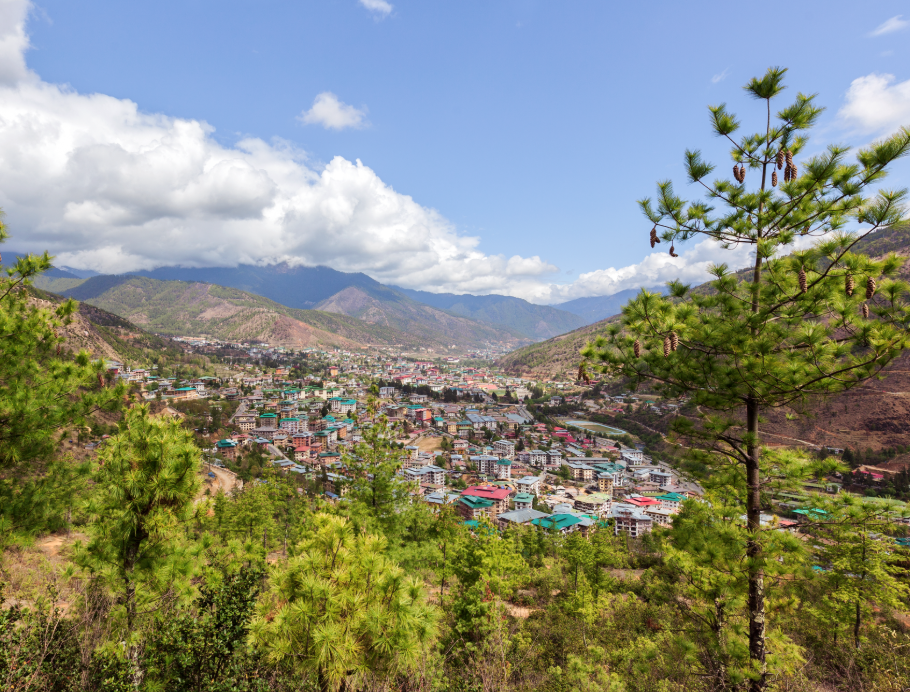
Photo credit: Edwin van Ree
Paro
Surrounded by green fields and dramatic mountain scenery, Paro is one of Bhutan’s most picturesque valleys. The region is best known for the iconic Tiger’s Nest Monastery, perched high on a cliffside overlooking the valley. Historic temples, traditional farmhouses and the impressive Rinpung Dzong add to the area’s cultural charm, making it an ideal place to experience Bhutan’s spiritual heritage and natural beauty.
.png)
Photo credit: Edwin van Ree
Gangtey
Located in the scenic Phobjikha Valley, Gangtey offers a quieter side of Bhutan, with wide-open meadows, rolling hills and peaceful mountain views. The valley is particularly known as a winter habitat for the endangered black-necked crane, which migrates here from Tibet each year. Visitors can also explore Gangtey Monastery and nearby villages, experiencing the slower pace of rural Bhutanese life.
.png)
Photo credit: Edwin van Ree
A Culture Rooted in Buddhism
Buddhism is deeply woven into everyday life in Bhutan, shaping its traditions, architecture and spiritual identity. Vajrayana Buddhism is the country’s predominant religious tradition, with sacred monasteries, colourful prayer flags and daily rituals reflecting its enduring influence. Throughout the year, vibrant tsechu festivals bring communities together through traditional masked dances, music and religious ceremonies, offering visitors a glimpse into Bhutan’s living spiritual heritage.
.png)
Photo: Gangtey Monastery by Edwin van Ree
.png)
Photo: Punakha Dzong by Edwin van Ree
Iconic Sights and Sacred Places
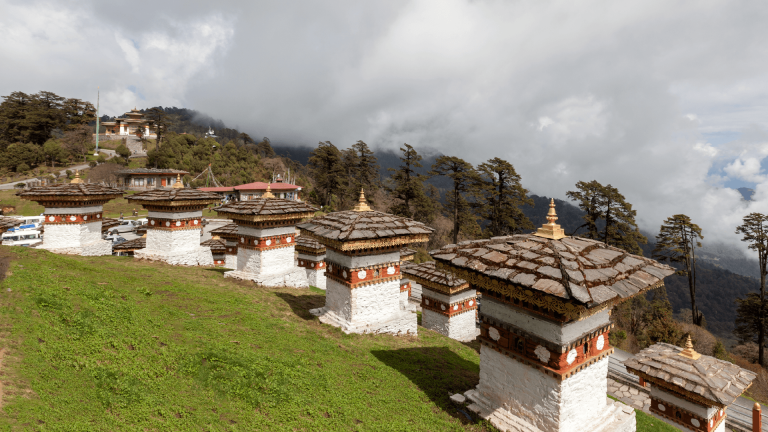
Bhutan is home to remarkable landmarks that reflect its rich history, Buddhist traditions and spectacular landscapes. The iconic Tiger’s Nest Monastery, perched on a cliffside above Paro Valley, is one of the country’s most recognisable sights. Meanwhile, Punakha Dzong, set between two rivers, showcases Bhutanese architecture, while Dochula Pass offers panoramic Himalayan views alongside 108 memorial chortens.
1.png)
Photo: Tiger's Nest by Wendy Ronksley
Beyond its famous landmarks, Bumthang Valley is considered Bhutan’s spiritual heartland, with ancient temples, traditional villages and peaceful valleys. Together, these destinations offer a glimpse into the country’s deep-rooted spirituality, cultural heritage and remarkable natural beauty.
1.png)
Photo: Dochula Pass by Edwin van Ree
.png)
Photo: Punakha Dzong by Edwin van Ree
Discovering Bhutanese Flavours
Bhutanese cuisine is known for its bold flavours, hearty dishes and generous use of chillies. One of the country’s most famous dishes is ema datshi, a comforting combination of chillies and cheese, often served with red rice. Visitors can also sample momos (steamed dumplings), seasonal vegetables and traditional butter tea, offering a taste of local ingredients and everyday Bhutanese life. Sharing meals is an important part of the country’s culture, making food a wonderful way to connect with its traditions and hospitality.
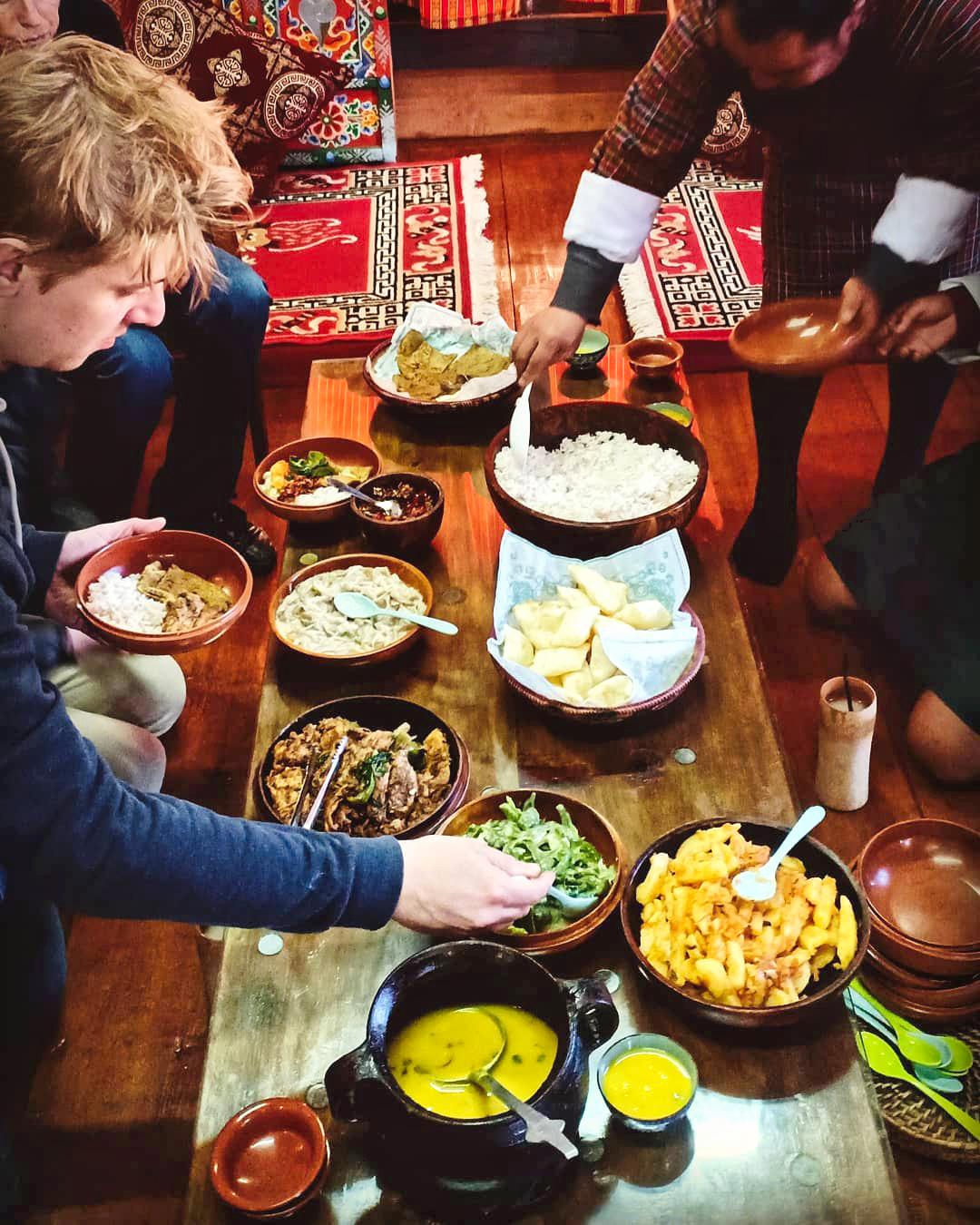
Photo credit: Edwin van Ree
A Deep Connection to Nature
Bhutan is recognised for its commitment to environmental conservation, with its constitution requiring at least 60% of the country’s land to remain under forest cover. Today, forests cover more than 70% of its landscape, supporting rich biodiversity and helping Bhutan remain carbon negative. From protected national parks to diverse Himalayan wildlife, the country’s approach to sustainability plays an important role in preserving its natural beauty for future generations.
.png)
Photo: Paro Valley by Edwin van Ree
.png)
Photo: The Himalayas by Edwin van Ree
Discover Bhutan with Bunnik Tours
Discover the country’s spectacular Himalayan landscapes, sacred monasteries and traditional villages on a small group tour with Bunnik Tours. From the iconic Tiger’s Nest Monastery to the vibrant capital of Thimphu, experience all of Bhutan’s unique culture, rich history and warm hospitality on our Best of Bhutan tour.