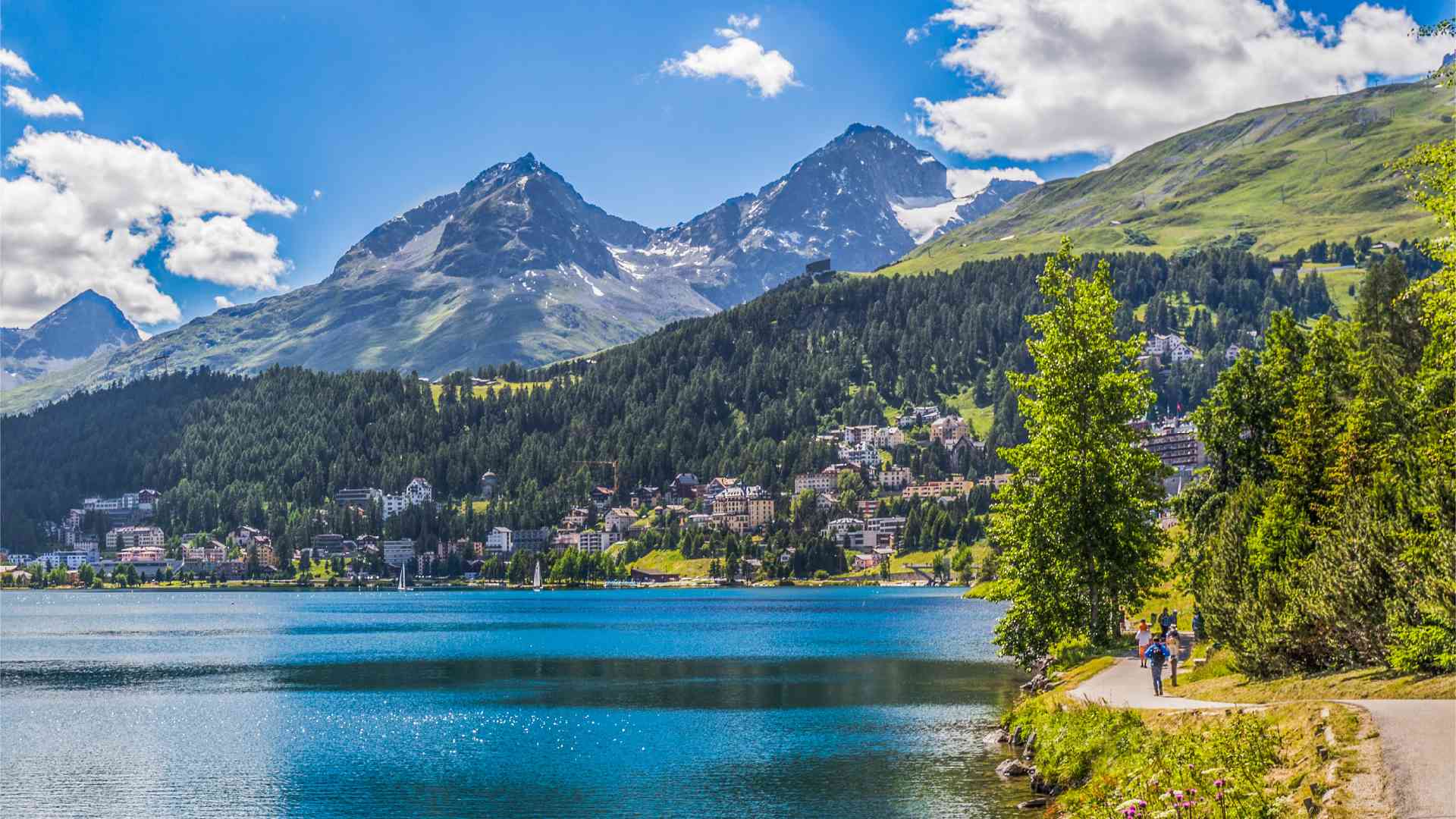

Picture perfect, Switzerland is straight out of a storybook – think snow-dusted Alps, sparkling lakes, lush green forests and fairytale castles! Experience the refined allure of St Moritz, ascend Europe’s highest cable car, explore quaint villages with flower-filled balconies, take in the breathtaking 360-degree views from the top of Jungfraujoch, and indulge (or overindulge, the choice is yours…) in the rich, world-renowned flavours of Swiss chocolate. Discover, and savour, all that Switzerland has to offer on a Bunnik Tours holiday – book one of our small group tours online today or get in contact with one of our friendly travel specialists.
Small Group Tours
Alpine Discovery
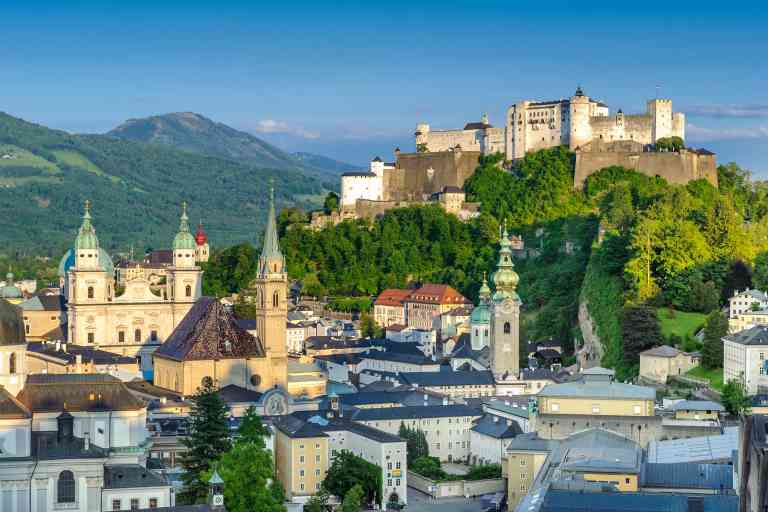
From Vienna’s imperial elegance to Munich’s Bavarian charm, this journey winds through storybook cities and breathtaking alpine landscapes.
Airfares included
Switzerland Facts & Tips


Did you know?
- Switzerland's first chocolate factory was founded by François-Louis Cailler in 1819 and on average the Swiss consume approximately 10.5kg of chocolate per person per year, the highest amount in the world!
- Geneva is the seat of the European headquarters of United Nations (UN), World Health Organization (WHO), the World Trade Organization (WTO), United Nations High Commissioner for Human Rights (UNHCHR), World Economic Forum (WEF), International Organization for Standardization (ISO), International Committee of the Red Cross (ICRC) & CERN, home of the Large Hadron Collider.
- Switzerland has enough nuclear shelters to house its entire population — a legal requirement dating from the Cold War.
- Albert Einstein was working as a clerk in a Swiss Patent Office when he published his Theory of Relativity.
- The Swiss are famous for the Swiss Army knife, Swatch Watches, Victorinox, Nestlé and Fondue.
Visas & Passports
Australian passport holders travelling to Switzerland do not need a visa at this time.
We require that your passport is valid for travel for at least six months from the date you are planning to return to Australia. Your passport must be valid to travel internationally and must be machine-readable. You also need to carry a valid return ticket on you.
Whether travelling on an Australian passport or the passport of another country, all travellers require visas for a number of countries, and it is your responsibility to secure what may be required before departing Australia. You can consult with your travel agent, but it is also recommended that you check the foreign embassy website for your respective destination as it can also provide you with useful information.
Australian Consulate-General in Switzerland:
Chemin des Fins, 2
Case postale 102
1211 Geneva 19
Ph. +41 22 799 9100
Fax. +41 22 799 9178
Currency
The official currency of Switzerland is the Swiss Franc. Notes come in denominations of CHF1,000, 200, 100, 50, 20 and 10.
Advise your bank of your travel plans so that they can make a note of it, otherwise they may cancel your credit card as a safety measure due to the overseas transactions. Also make a note of the 24-hour emergency contact number of the bank or building society which issued your credit card in the unlikely event that your card is lost or stolen.
Whenever possible use ATMs when the banks are open (Mon – Fri) so that if a machine ‘eats’ your card you can then deal with it straight away. It is always advisable to carry a supply of cash in addition to your credit card.
If you don’t have Swiss Francs with you on arrival, we advise you to exchange some money into the local currency at the airport even if the exchange rate is not the best, this way you’ll have money to get a drink, snack or give a tip during those first few hours of arrival. Your guide will be able to advise you on the best places to exchange money.
Small change is also useful for paying for toilets while on tour which is customary in many places outside of Australia.
Dining
- The price of a cappuccino in Zurich is approximately CHF5
- The price of an inexpensive lunch is approximately CHF20-30.
- The price of dinner in a moderate restaurant is approximately CHF40–60.
- The price of a beer in a local pub is approximately CHF6-9.
Swiss cuisine is varied. The great specialty is fondue, a delicious concoction of Gruyère and Vacherin cheese, melted and mixed with white wine, flour, Kirsch and a little garlic. Other cheese specialties are Emmental and Tête de Moine. Pork sausages or salami come in a variety of local recipes including beinwurst, engadinerwurst, knackerli, landjäger and leberwurst (liver pâté). A great variety of Swiss wines are available throughout the country. Swiss beer is also popular - both lager and dark beers. Bottled mineral water is an accepted beverage, with local brands including Henniez.
Important: When dining at buffets (i.e. breakfast) please refrain from taking food away with you to ‘save’ for later! If you feel that you’ll need snacks between meals, pack some dried fruit, nuts, muesli bars etc.
If you have specific food allergies and/or preferences, we highly recommend you take every precaution before your tour, including carrying a small card with your food allergy listed in each language of every country you are travelling to show to table staff when ordering. Whilst we take all dietary requirements seriously, due to the serious nature of potential allergic reactions, it is your responsibility to be as prepared as possible.
Weather
The climate in Switzerland is moderate, making it a great place to visit any time of year. Average temperatures range between -3°C to 2°C in January, and 13°C to 24°C in July. Summer, from about June to September, is usually warm and this is a great time to enjoy the many outdoor activities on offer. Ski resorts open their doors in late November and remain so until the snow starts to melt, usually in April.
Getting Around
Want to get out and explore on your own?
Switzerland has one of Europe's best public transport systems, with reliable trains, buses and trams connecting even remote mountain regions. Taxis can be expensive and also slower than the trains or trams if you get stuck in traffic and, of course, walking is a must in Europe’s finest cities.
When catching taxis, have small change on you and choose one with a meter, if it doesn’t have one then negotiate the price before getting in. Also, ask your guide or hotel staff the names of reputable taxi companies.
Shopping
So, you’d love to bring home a special souvenir from Switzerland…
Shopping in Switzerland is a great experience altogether. You can buy amazing items such as chocolates, cheese, the famous Swiss army knives, watches and fashionable clothes. There is a lot to see and shop for. It is possible to spend hours in the boulevards and shopping arcades!
Local Etiquette
The Swiss always appreciate polite manners and punctuality.
It is common to share tables with strangers in busy restaurants and pubs.
Celebrations & Public Holidays
Switzerland has many events and festivals happening throughout the year.
Other national public holidays to be aware of include:
- New Year’s Day
- Easter Friday and Easter Monday
- Labour Day (May 1st)
- Ascension Day (40 days after Easter)
- Swiss National Day (1 Aug)
- Christmas Day
- Boxing Day


Switzerland FAQs
What is the best way to see Switzerland?
We highly recommend a Switzerland tour package, because it’s the best way to see all the iconic sites in Switzerland while being guided by a local expert. You’ll also get to experience things you might not have known existed!
What is the best time to visit Switzerland?
We recommend visiting Switzerland during the summer months, from June to August and the beginning of autumn in September. This is the perfect time to travel to Switzerland, as the days are generally dry and sunny.
How can I tour Switzerland as a responsible traveller?
At Bunnik Tours, we believe in responsible travel and sustainable tourism. For more information, visit our Sustainable Tourism hub.
How much will a Switzerland trip cost?
The cost of a Switzerland tour will vary depending on how long you spend in Switzerland and what you see and do. At Bunnik Tours, our 18 day Alpine Discovery tour travels across Italy, Switzerland, Liechtenstein, Austria and Germany and starts at $17,995 per person. Transport, airfares, accommodation, tipping, local guides and some meals are included.
How many days are enough in Switzerland?
We recommend at least 5 to 9 days for a Switzerland holiday. For shorter trips, this will allow you to see the highlights of Switzerland, while a longer tour will let you really immerse yourself in everything Switzerland has to offer. Our Alpine Discovery tour, which ventures across Italy, Switzerland, Liechtenstein, Austria and Germany, spends 6 days in Switzerland. On this tour you’ll visit St Moritz, Zermatt and Interlaken.
Can't find the answers you're looking for? Check out our FAQs.
Europe Destinations
Armenia
Explore the impressive Lake Sevan, discover traditional houses along Sharambeyan street & be intrigued by the Areni Cave Complex.
Austria
Tour the historic city of Salzburg, discover the iconic Schönbrunn Palace in Vienna & enjoy the magical Christmas Markets.
Azerbaijan
Tour the old city of Baku, discover intriguing history at the Heydar Aliyev Cultural Centre & discover the stunning Juma Mosque.
Bosnia and Herzegovina
Explore the iconic Stari Most Bridge, enjoy the view of the Sarajevo Olympic Stadium & tour the beautiful city of Sarajevo.
Croatia
Wander Dubrovnik's cobblestoned streets, discover the vibrant capital of Zagreb, and soak up the beauty of Croatia's sun-drenched Adriatic coastline.
Czechia
Stroll through the cobblestone streets of Český Krumlov, explore the Prague castle district Hradčany and indulge yourself in local Czech cuisine.
Denmark
From its picturesque capital, Copenhagen, to its windswept coastline and everything in between, Denmark will lure you in with its warmth and welcoming hospitality.
Estonia
Estonia, the most scenic of the three Baltic States, is a nation famed for its primeval forests, beautiful wetlands and remote offshore islands.
Bunnik Reviews